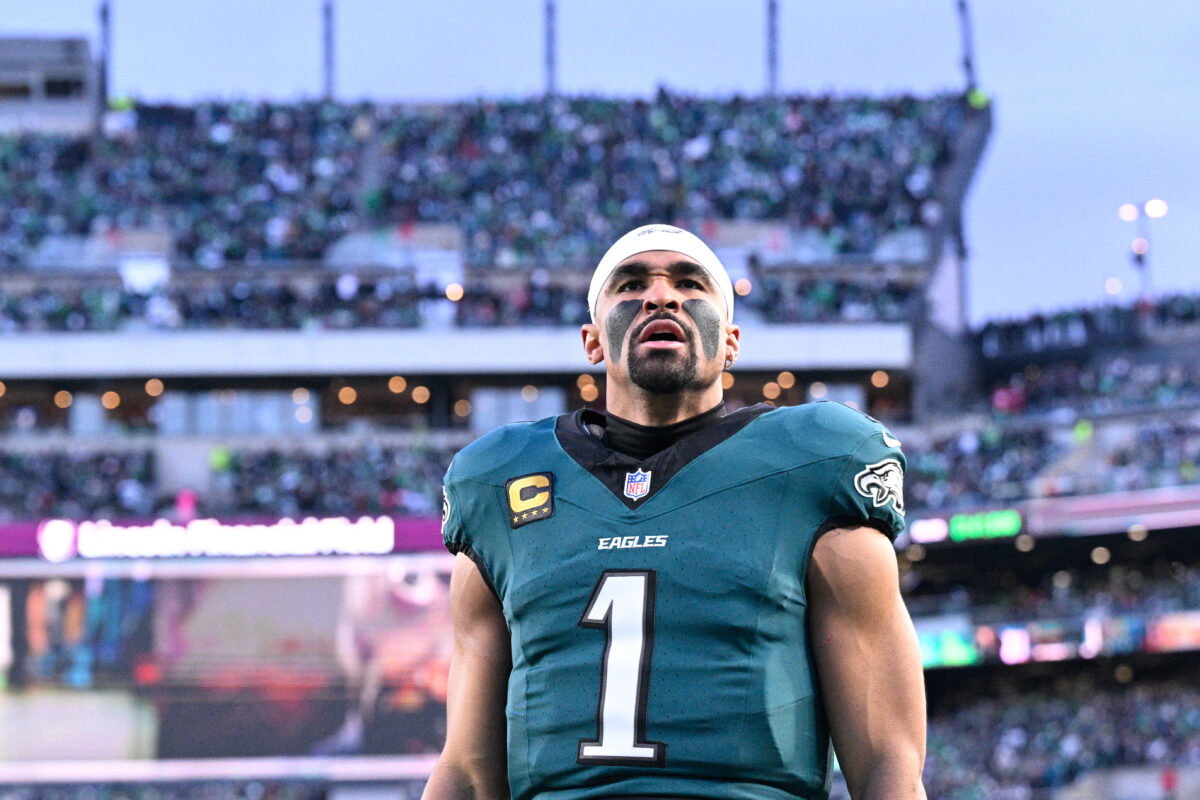
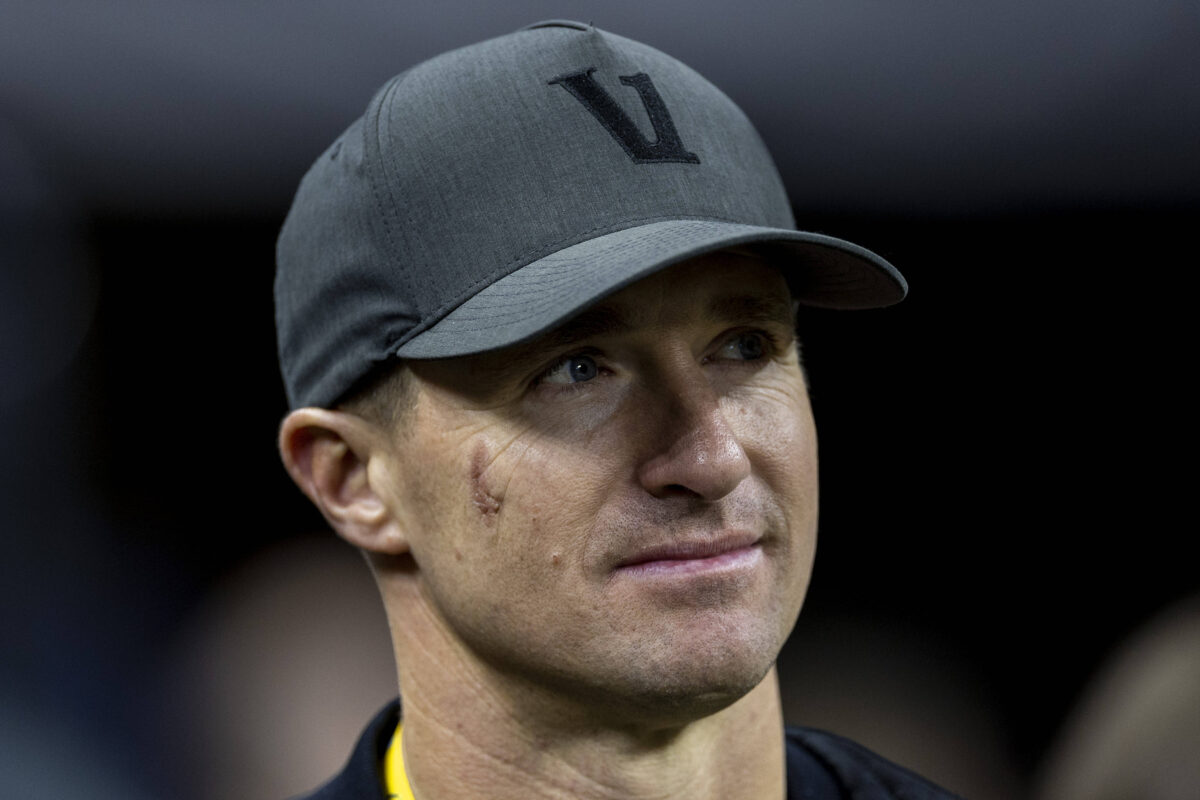
Morgan Scalley has had an impressive start as Utah’s head coach. Through nine games, the Utes are 9-0, continuing to win despite losing longtime coach Kyle Whittingham and several members of the coaching staff. Whittingham, meanwhile, has faced a difficult first season at Michigan—and Scalley says he feels for the coach who helped shape his career.
Speaking on *The Triple Option*, Scalley made clear that Michigan’s struggles have not changed his respect for Whittingham. He described his former coach as both an important mentor and an exceptional person.
“He gave me every opportunity I’ve had in coaching,” Scalley said. “He’s a guy that just believed in me. I loved him as a coach, as a person. He’s an amazing coach. I am feeling for what he’s going through. It’s unfortunate because obviously it’s a results-driven business, but people don’t really understand how great of a coach and person he is.”
Their connection stretches back decades. Whittingham coached Scalley during his playing career at Utah, where Scalley developed into an All-American defensive back and was part of the Utes’ undefeated 2004 season.
Scalley returned to Salt Lake City in 2006 and began his coaching career as an administrative assistant. Whittingham continued to give him opportunities, and Scalley moved through graduate-assistant duties before coaching safeties, taking on recruiting responsibilities and working with special teams. He became Utah’s defensive coordinator in 2016 and emerged as a key figure in the program’s defense. In 2019, he was a finalist for the Broyles Award, which recognizes college football’s top assistant coach.
Whittingham’s confidence in Scalley also shaped Utah’s succession plan. Scalley had twice been identified as Whittingham’s eventual replacement before he took over as head coach, following Whittingham’s departure for Michigan in December 2025. Scalley has never understated what that opportunity means to him.
“I would not be here in this seat if it wasn’t for Kyle Whittingham,” he said.
The coaches are now about 1,500 miles apart, and their first seasons in charge of their respective programs have unfolded very differently. Utah faced significant changes after Whittingham took five assistant coaches and four players with him to Michigan. Scalley had to rebuild major parts of his staff, with changes affecting positions and roles on both sides of the ball, including offensive coordinator, quarterbacks, offensive line, tight ends, wide receivers and defensive coordinator.
So far, the transition has not slowed the Utes. Utah is undefeated through nine games, has extended its winning streak to 15 and has already claimed a major rivalry victory over BYU.
Michigan’s season has been far more challenging. Whittingham’s Wolverines are 5-4 after a 15-6 home loss to Michigan State. Inconsistent offense, quarterback changes and struggles along the offensive front have contributed to a difficult stretch.
Expectations in Ann Arbor were high before the season began. Whittingham arrived with a reputation for building successful programs and establishing a hard-nosed culture. Michigan also had a roster with considerable talent, leading many to expect the team to contend for a playoff place early in his tenure.
Instead, the Wolverines have faced mounting criticism. The firing of offensive coordinator Jason Beck added to the uncertainty, with offensive line coach Jim Harding taking over on an interim basis. Questions about Whittingham’s future have grown louder as Michigan’s results have fallen short of expectations.
College football analyst Josh Pate, speaking on *The Rich Eisen Show* on November 11, offered a stark assessment of Whittingham’s outlook at Michigan.
“There’s zero percent chance I see him there next year, even flying in the face of some of the feedback that I’ve gotten,” Pate said. “We’re in the last few pages of this. It’s a one-and-done. It’s a failed experiment.”
The criticism is especially striking given Whittingham’s record at Utah. He spent 21 seasons building the program, earned 177 wins and led the Utes to three conference championships. His current challenges in Michigan do not erase those achievements, in Scalley’s view.
Scalley knows that college football is a results-driven business, and he has seen how quickly public opinion can shift when a team struggles. Still, his message about his former coach was clear: a difficult season does not undo years of accomplishment or suddenly make a respected coach a bad one.