In that Week 6 matchup, Jacksonville trailed 31-21 entering the fourth. Hunter helped spark a late comeback drive, catching a seven-yard touchdown from Trevor Lawrence on a second-and-goal play at the Texans’ seven. On the ensuing defensive possession, Hunter lined up at cornerback and made a pivotal play: he intercepted Texans quarterback C.J. Stroud at the Jacksonville four-yard line, targeting Xavier Hutchinson on a short route.
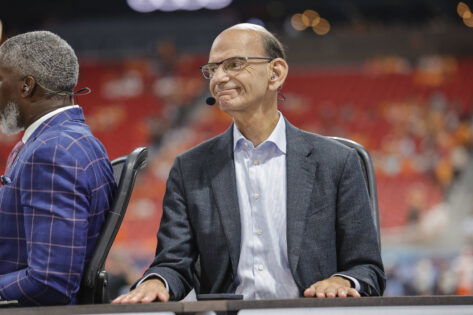
Hunter finished the game with four receptions for 59 yards and a touchdown on offense, plus three tackles and an interception on defense. His multi-faceted impact reignited discussions about the viability of a two-way role at the NFL level, a topic that had followed him since college. Former NFL player and broadcaster Shannon Sharpe had noted the considerable difference between college football and the NFL when evaluating a player capable of contributing on both sides of the ball.
In the weeks that followed, highlighted commentary from Sharpe and others underscored the realities of professional football, where durability, workload, and the demands of full-time roles present greater challenges than in college. The conversation around Hunter’s two-way potential persisted as he continued to expand his defensive responsibilities in 2026.
From a strategic standpoint, Jacksonville’s plan has evolved since Hunter’s rookie season. General Manager James Gladstone indicated in the offseason that Hunter would see a larger defensive role, with an uptick in cornerback usage while maintaining offensive responsibilities. Early-season usage patterns reflected this adjustment: in the season opener against the Browns, Hunter logged four offensive snaps and 29 defensive snaps; a week later, his offensive snaps rose to six and his defensive workload climbed to 37 snaps. Through the first five weeks of the season, Hunter had appeared in 249 defensive snaps compared with 21 offensive snaps.
These numbers illustrate a clear shift: Hunter is contributing far more on defense than on offense, positioning him as a growing two-way weapon for Jacksonville. While his rookie year demonstrated potential at wide receiver, his 2026 season is proving that a more specialized, defense-forward role can maximize his impact and extend his NFL longevity.
As Hunter continues to develop, the Jaguars are banking on his ability to influence games on both sides of the ball, including crucial moments on defense where his coverage skills, instincts, and ball-tracking ability can turn the tide. If the trend holds, Hunter’s dual-threat skill set could become a defining feature of his career and a template for teams evaluating multi-positional impact in the modern NFL.