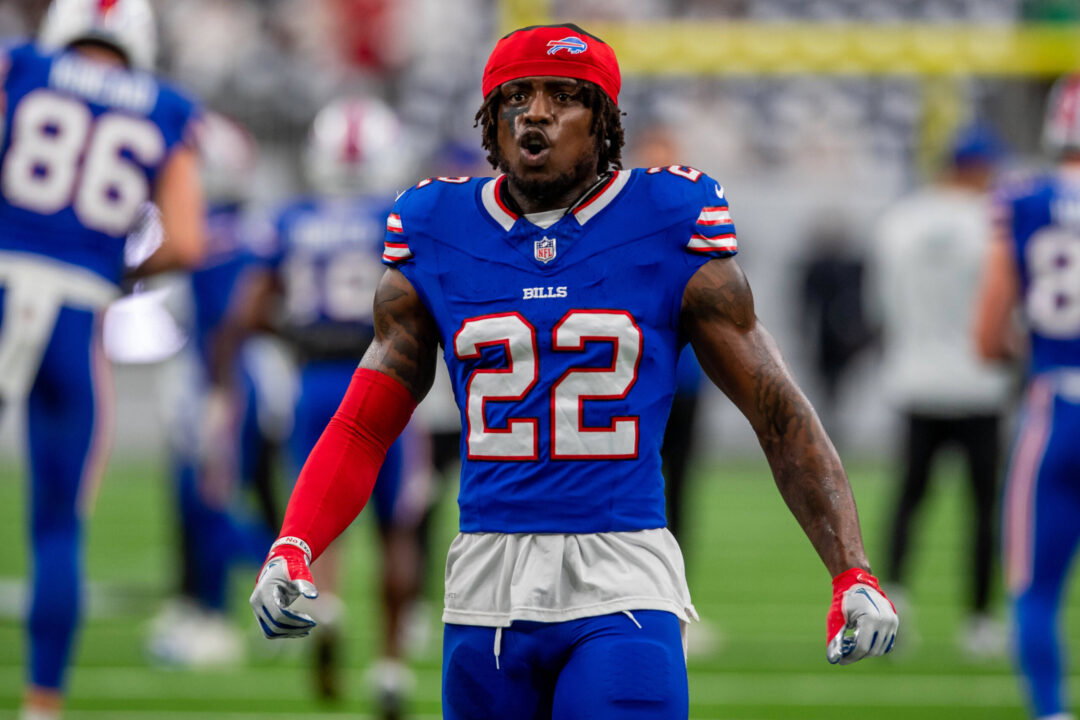
Smith has been vocal about his concerns on social media, stating that parents are “completely ruining youth sports in so many ways” and acknowledging why many dedicated people eventually walk away. His perspective grows from personal experience—raising three children with his wife, Chanel Williams, whom he married in 2013. Their family includes sons Torrey ” TJ” Jeremiah (born April 2014) and Kameron James (born 2016), along with daughter Kori Lynn Smith (born 2018). As his children participate in youth sports, Smith has seen firsthand how parental actions can influence the atmosphere around practices and games.
Numerous studies echo his concerns, highlighting how parental conduct affects the overall youth sports experience. A 2025 National Coaches Survey conducted by the U.S. Center for SafeSport examined coaches’ experiences with abuse, burnout, satisfaction, and the challenges of leading young athletes. The findings point to parents as a frequent source of problematic behavior, with issues ranging from negative attitudes to resistance when children are held accountable for their actions. In many cases, verbal harassment or abuse from parents was identified as a common problem for coaches.
The survey’s data show that while a large majority of coaches recognize the positive impact of coaching on their lives, nearly half reported some form of verbal harassment or abuse from parents in the past five years. Additionally, almost half of coaches were aware of other coaches engaging in shouting at young players in ways that could be frightening, threatening, or belittling. Although most coaches remained confident that their organizations would address safety concerns, communication gaps, perceived unfairness, and mistrust were cited as barriers to fully enforcing safety policies.
This tension reflects a broader issue: although coaching and youth sports can be deeply rewarding, the surrounding adult behavior can create an unwelcoming environment. Smith’s frustration underscores a problem that extends beyond the sidelines. Youth sports are designed to help children develop skills, build confidence, and enjoy healthy competition. When adults turn games into battles over playing time, strategy, or results, the positive purpose of youth sports can be undermined.
As discussions about youth sports continue, perspectives like Smith’s promote a conversation about balancing competitive ambition with the well-being and enjoyment of young athletes. Emphasizing respectful conduct, fair play, and supportive coaching can help preserve the developmental benefits of early sports involvement for all participants.