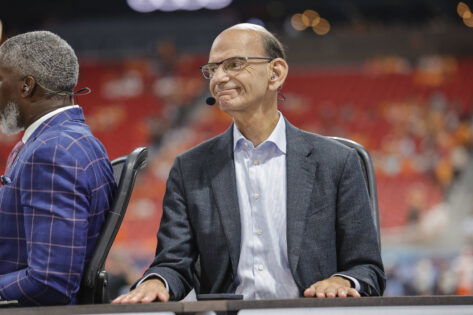
In conversations shaping the national narrative, one prominent voice described Alabama as being “in a very dark place.” The comment captured a mood that has circulated among fans as the team moves through a challenging portion of the schedule. The concern isn’t simply about a single bad night; it’s about a pattern that some say echoes a longer trend: moments of strong performance followed by rapid, difficult downturns that squander the goodwill generated by earlier success.
The pattern identified centers on Alabama’s ability (or perceived inability) to sustain momentum after a big win. This criticism has been echoed by analysts who point to the team’s 2024 results, including a surprising loss to an unranked opponent shortly after a major victory, as evidence of a cycle that can undermine confidence and certainty. The discussion has grown louder as the team experienced another tough defeat against a mid-tier opponent after a sequence of wins over ranked teams. Such results have raised questions about the program’s trajectory and playoff viability.
A notable comparison has been drawn between the current season and past campaigns, with emphasis on how the team sometimes looked like a winner in the moment even when the game stats did not fully reflect it. Critics argue that a mix of factors—execution, decision-making, and perhaps the emotional toll of high-stakes expectations—can derail efforts just when the path to postseason goals appears within reach. In the eyes of some observers, tangible factors such as the quality of opposition, margins of defeat, and the physical toll of games contribute to a broader concern: are the Tide still moving forward, or are they taking steps that could stall progress?
The most pressing concern among fans centers on the physical toll of recent outings. A rigorous contest against a rival created a perception of wear and tear that could influence performance in upcoming assignments. Even with a schedule that looks manageable on paper, the road ahead includes difficult tests that could amplify any residual fragility. A stumble in one of these remaining games would not only impact the current season’s results but could also intensify questions about roster development, coaching strategies, and the team’s ability to close out games under pressure.
In this climate, the focus extends beyond a single game to the broader implications for the program’s long-term outlook. The stakes are high: maintaining a path to major postseason play requires resilience, consistency, and the capacity to translate potential into sustained success. For DeBoer, the challenge is clear—how to stabilize the program, rebuild momentum after tough losses, and ensure that the team carries confidence into consequential late-season matchups.
Looking ahead, the schedule presents both opportunity and risk. Alabama’s remaining games feature a mix of high-pressure environments and opportunities to demonstrate growth. The outcome of these contests could define the narrative for the remainder of the season and shape discussions about leadership, strategy, and refreshment of plans going into the next year. For supporters, the immediate task is to rally behind the team while keeping expectations aligned with the realities of a conference that remains highly competitive.
Ultimately, the season’s trajectory will hinge on how the program responds to adversity. If Alabama can reclaim the momentum that accompanied earlier wins, the path back toward playoff consideration remains viable. Conversely, another loss could widen the gap between current performance and postseason aspirations, intensifying scrutiny and prompting questions about how the program moves forward. As the Crimson Tide navigate these crucibles, the focus will be on resilience, execution, and the ability to convert moments of pressure into steady, repeatable success.