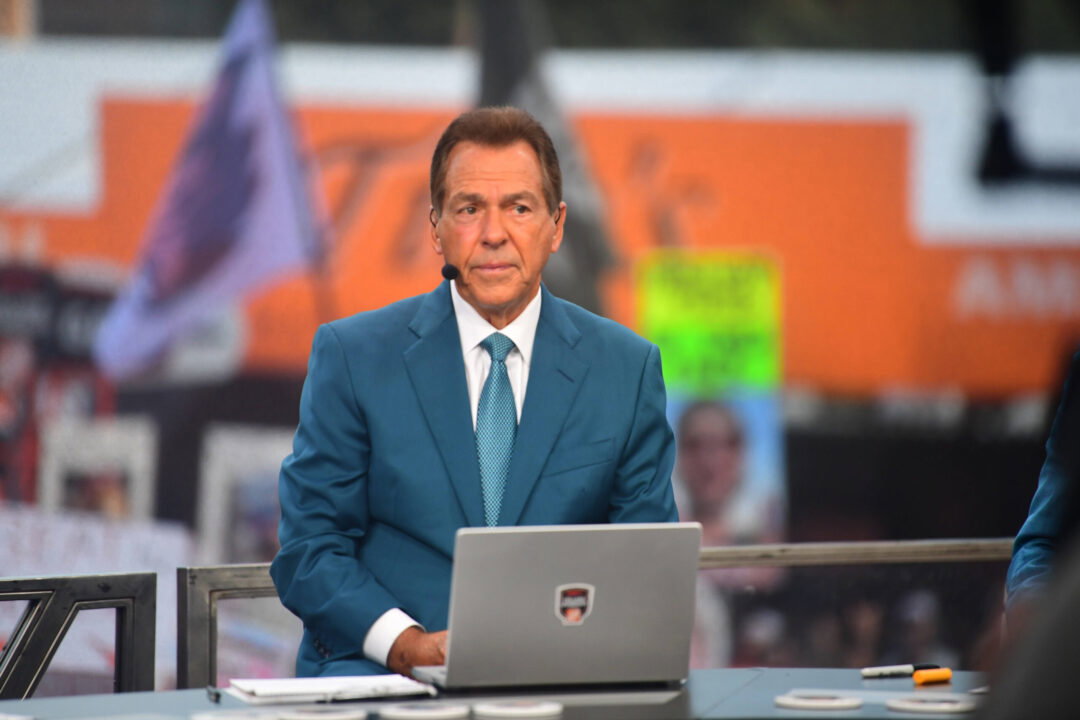
A prominent voice in the debate is Nick Saban, the longtime Alabama head coach, who recently spoke on a national program to raise concerns about how a 24-team format could affect the coaching profession. He argued that expanding the playoffs would raise expectations for fans and administrators to reach the postseason, potentially diminishing job security for coaches who fail to qualify. Saban suggested that a broader field could paradoxically increase the scrutiny on coaches who miss the playoff and intensify demands from athletic directors and boosters for tangible results.
The largest potential change, if finalized, would be a significant shift in incentives and expectations. With a field that could include 19 at-large spots, four conference champions from Power Five conferences, and a top-ranked Group of Five champion, even teams with several losses might sneak into the playoff picture. That reality raises questions about the impact on coaching careers: if more teams are eligible, what happens to coaches who do not make the cut? The logic some administrators might apply is that broader participation could come with heightened accountability and pressure to deliver conference and national success.
Supporters of a larger playoff contend that expanding the field could create more meaningful December and January games, maintain fan engagement across more programs, and provide additional revenue opportunities. Opponents, however, worry about diluting the quality of the postseason, lengthening the season for players, and prioritizing television and financial considerations over competitive integrity. Some critics also point out that the current 12-team format already presents a strenuous threshold for inclusion and that expanding to 24 could highlight debates over which teams deserve to be in, potentially inviting controversy rather than clarifying excellence.
Former coaches and analysts have offered mixed takes on the optimal size. Proposals include keeping the playoffs compact with a 16-team format as a compromise, possibly using conference championship games as a pathway into the larger bracket. Opinions vary on how best to balance meaningful postseason play with fairness and competitive balance. The financial dimension remains a central factor, as broadcast deals and media rights are a significant part of the conversation surrounding any expansion.
As the discussion progresses, fans, players, and programs will be watching closely how the timeline unfolds. The key questions revolve around whether the expanded field would genuinely enhance the postseason experience, how it would affect competitive equity across conferences, and whether the added games would place greater physical and logistical demands on student-athletes.
In the end, the decision hinges on a blend of competitive philosophy, financial considerations, and stakeholder consensus. The debate over a 24-team playoff threshold will continue to unfold as commissioners, coaches, networks, and the broader college football community weigh the trade-offs between inclusivity, quality, and sustainability for the sport’s postseason landscape.