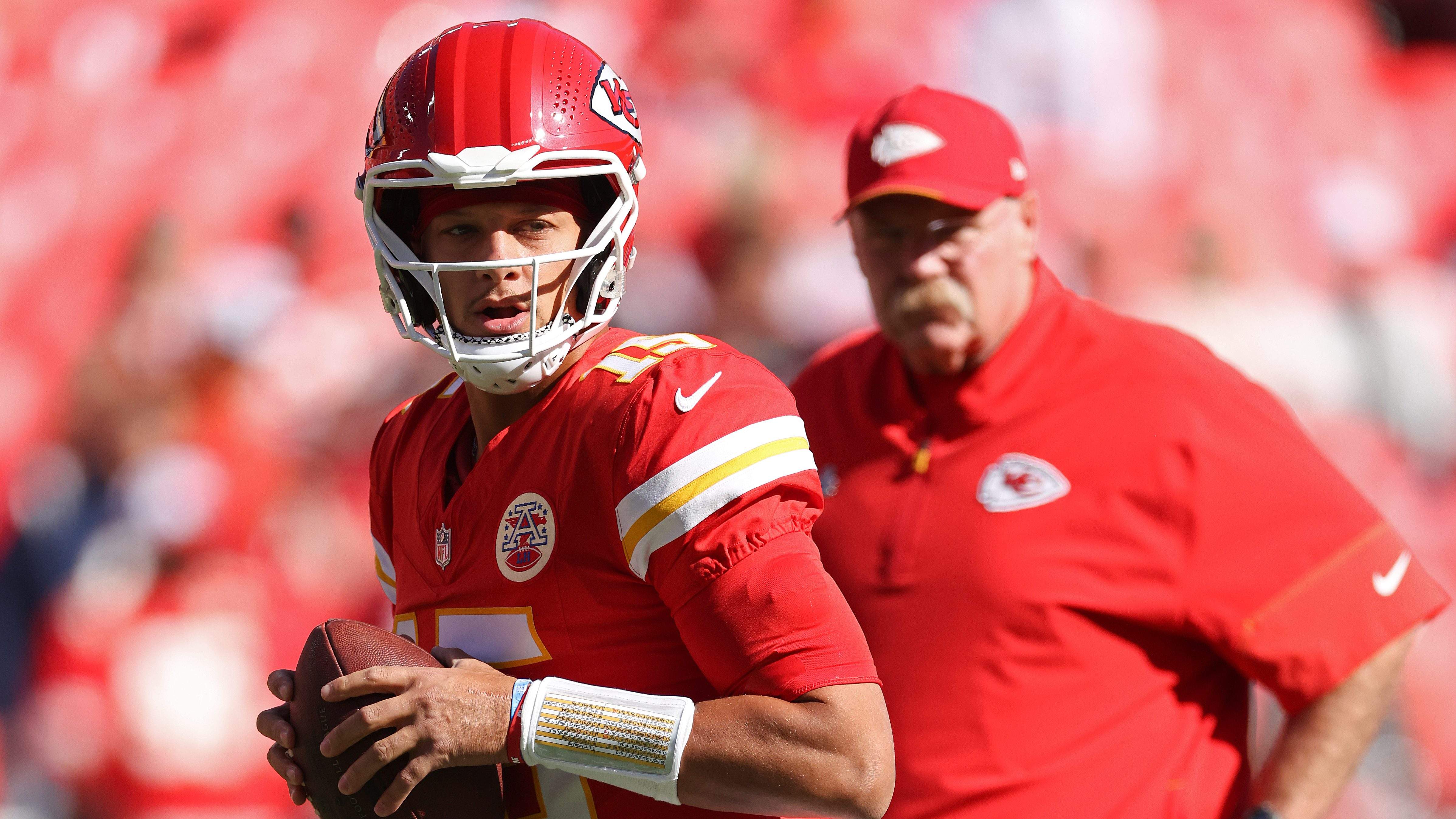
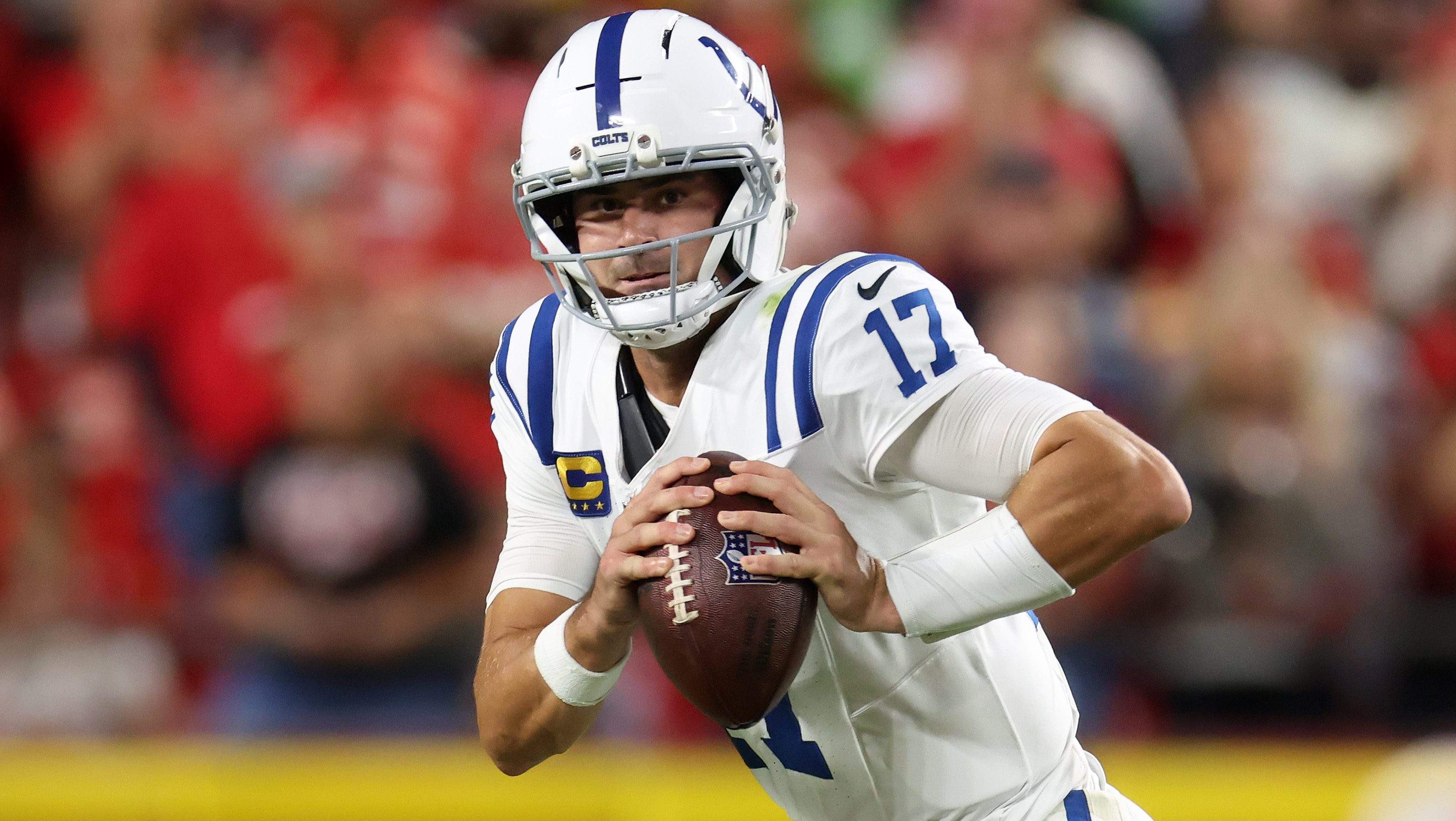
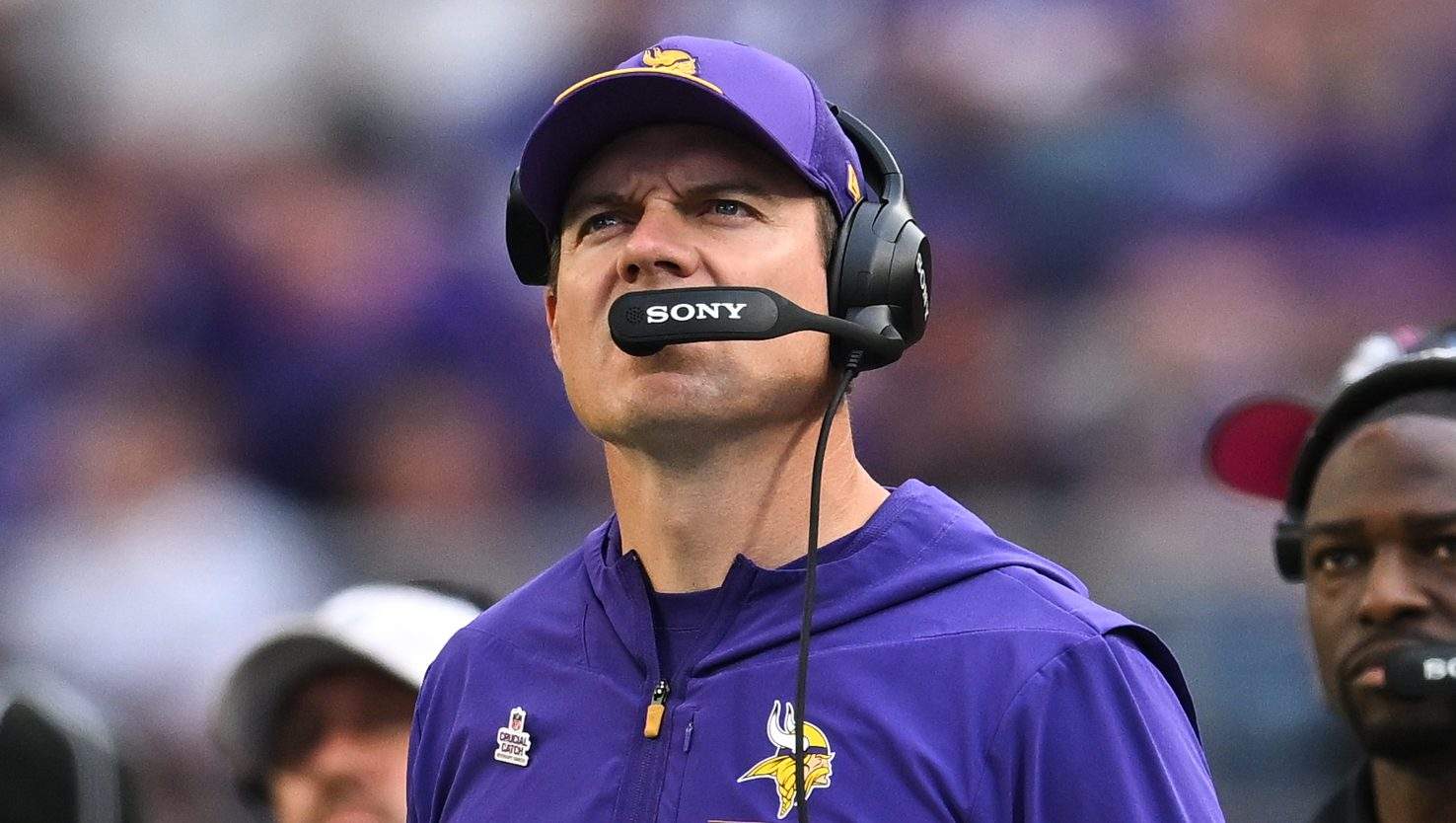
Fiske’s fine reflects a typical amount for a first-time infraction. The NFL’s public-facing rules manual indicates that a second offense could carry a fine as high as $17,911, though the league has discretionary power to determine fines and penalties for plays even if they were not officially flagged in real time.
In this game, the NFL also fined three Bills players. One involved player was Bradley Chubb, who received a $14,329 fine for taunting during a moment late in the game, including a two-minute warning of overtime, a point when neither team was on the field. James Cook was fined $21,167 for unnecessary roughness and illegal use of the helmet on a rushing play from the Rams’ 27-yard line, during which he gained 15 yards before being tackled by Kam Kinchens. The league noted that Cook lowered his helmet to initiate contact. The standard first-time offense fine for this type of infraction is $23,882, with higher fines possible for subsequent offenses. Bills safety C.J. Gardner-Johnson was fined $11,194 for striking/kicking/kneeing on a second-and-4 run by Kyren Williams that resulted in a yard loss, with Deone Walker making the tackle. Gardner-Johnson was involved in the pile multiple players around the play, and as with Cook’s situation, there was no flag thrown on the play, underscoring the NFL’s discretionary approach to disciplinary measures.
These fines illustrate the NFL’s enforcement practices, which can include penalties for actions not always reflected on the field during the game.