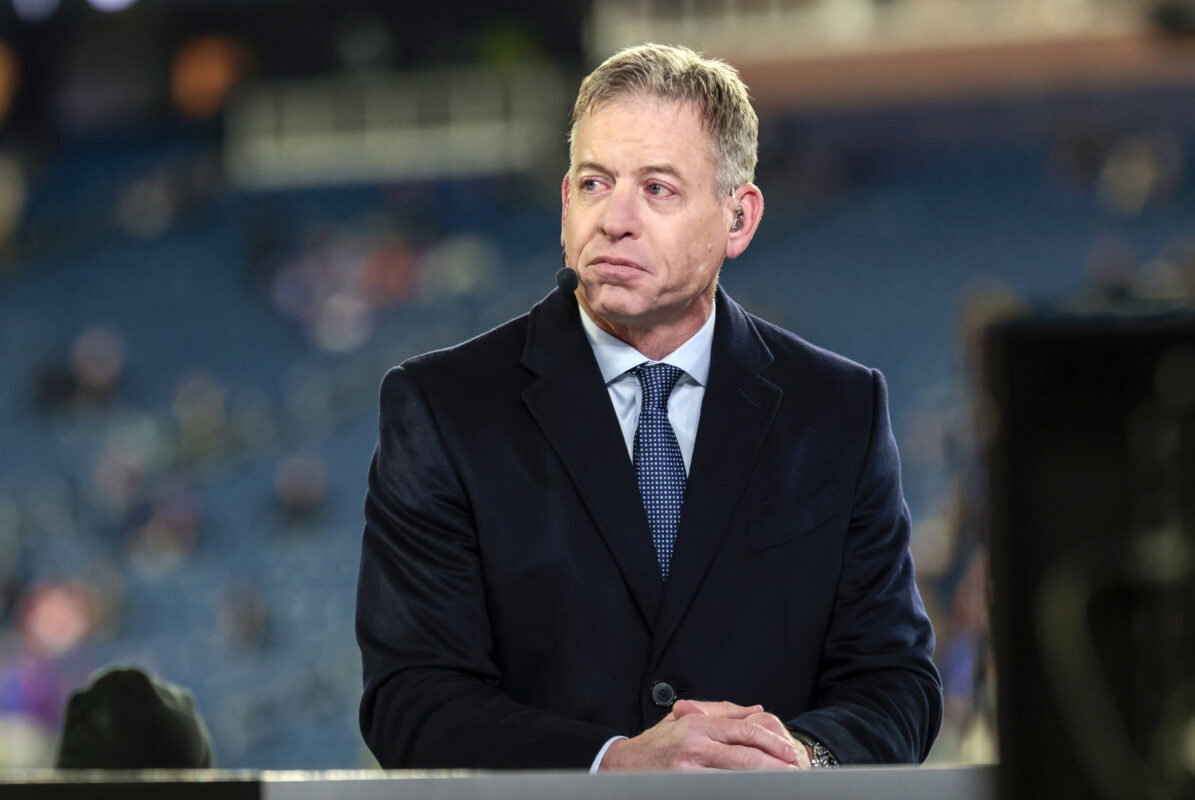
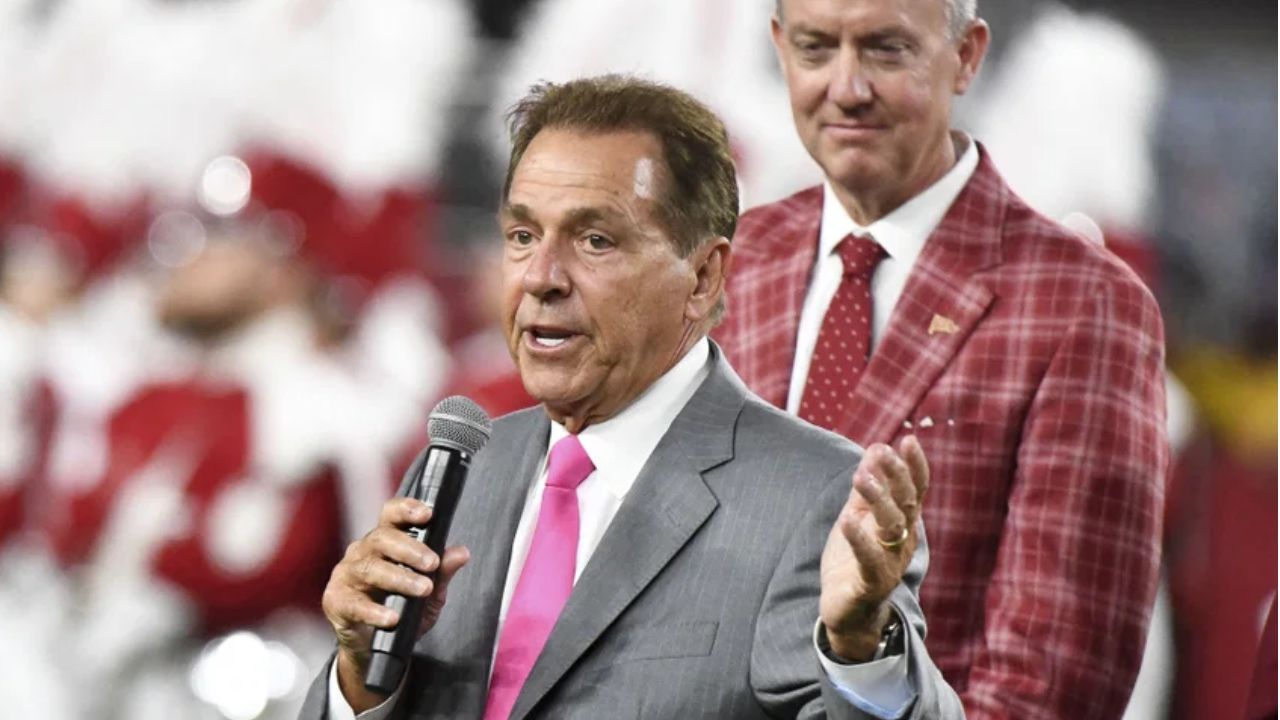
During a Gridiron segment hosted by Skip Bayless and Aqib Talib, the conversation turned to Sanders and his potential fit beyond Cleveland. Bayless asked whether Wayne would prefer Sanders to be playing somewhere else, prompting the rapper to reply that Sanders deserves his shot to show what he can do, and that the present situation in Cleveland could set the stage for a decisive evaluation.
“The quarterback situation should be about opportunity,” Wayne explained. “I need him to get his opportunity, and I think where he’s at, he’s going to get that opportunity.” This sentiment underscores Wayne’s view that Sanders’ progress should be measured in terms of actual playing time and meaningful chances to prove himself, rather than in the abstract notion of competition alone.
Sanders is not currently Cleveland’s starter. The Browns elevated Deshaun Watson to the top of the depth chart, with Sanders listed as the backup. Cleveland has continued to rely on Watson through the early part of the season, a stance determined after a thorough review of the offseason, training camp, and preseason performances. The coaching staff indicated they would begin the season with Watson, giving Sanders time to grow and develop while evaluating the team’s overall strategy and offensive needs.
Head coach Todd Monken publicly explained the decision, noting that, over the course of offseason work and camp, Watson held a lead, though Sanders had made noticeable improvements. Monken credited Sanders for closing the gap but emphasized that the team’s plan was built around Week 1 and optimizing the next three weeks as the season began. The message was clear: the Browns would prioritize their best approach for the immediate future, while continuing to evaluate Sanders’ development and readiness.
As the Browns reached Week 6 with a 3-2 record, a 17-12 loss to the New York Jets highlighted some of the team’s offensive and special-teams challenges. Watson produced modest passing numbers in that game, and the Browns faced pressure from the Jets’ defense, including a high sack count. A late punt snap error also factored into the defeat. While this outcome added another data point for the coaching staff to consider, it did not, by itself, dictate a wholesale change in the quarterback plan.
Watson has offered the Browns reasons to remain confident in their starter, but the performance metrics have created a nuanced conversation about the optimal path forward. Through five games, Watson had accumulated more than 1,000 passing yards and seven touchdowns with a couple of interceptions, contributing to three Browns wins. However, the Jets game added a wrinkle to the evaluation, showing how pressure and a tougher defensive environment can affect the efficiency and reliability of the offense.
Wayne’s stance, distinct from calling for Watson to be benched or declaring Sanders a ready-made starter, centers on the importance of development and opportunity. He emphasized his satisfaction with Watson’s recent play and expressed a hope that Watson continues to flourish, while also insisting that Sanders deserves continuous and meaningful chances to showcase his talents. The sentiment is less about replacing a starter and more about creating a scenario where the Browns must confront a real, ongoing decision about the future of their quarterback room.
On a broader note, Sanders has been trying to articulate his broader perspective beyond traditional quarterback debates. In a Cosmopolitan interview published in early October, he discussed how he believes the public perceives him and the importance of being understood as a person. He acknowledged that online discourse can be misleading and expressed appreciation for firsthand encounters with fans and observers who have been surprised by his character and demeanor when they meet him in person. This reflection underscores the complexity of public perception that accompanies a quarterback entering the professional arena.
The Browns have accumulated wins, but Wayne’s requested scenario centers on the drama and interest that a genuine quarterback competition can generate. If Watson continues to perform at a high level, the Browns will likely maintain their current alignment. Yet Wayne envisions a situation where Sanders can push for a more definitive and challenging role, ensuring that Cleveland faces a tangible, late-season decision about its quarterback future rather than coasting on early-season comfort.
In sum, Wayne’s message is simple: give Shedeur Sanders every legitimate opportunity to prove himself, so Cleveland is forced to reckon with a truly difficult choice by season’s end. If that outcome materializes, the quarterback landscape in Cleveland would be both intriguing and consequential, adding a compelling chapter to the team’s ongoing quest for sustained success.