Johnson’s growth has become a focal point for head coach John Harbaugh, who has consistently found niche roles for players who don’t fit the typical prototype. His emergence as a contributor on kickoff and punt coverage has made him a more valuable asset to the team, underscoring Harbaugh’s philosophy of maximizing every roster piece. Johnson is now a core member of the Giants’ special-teams unit, having logged extensive snaps across five coverage and return phases, with field-goal units requiring additional development.
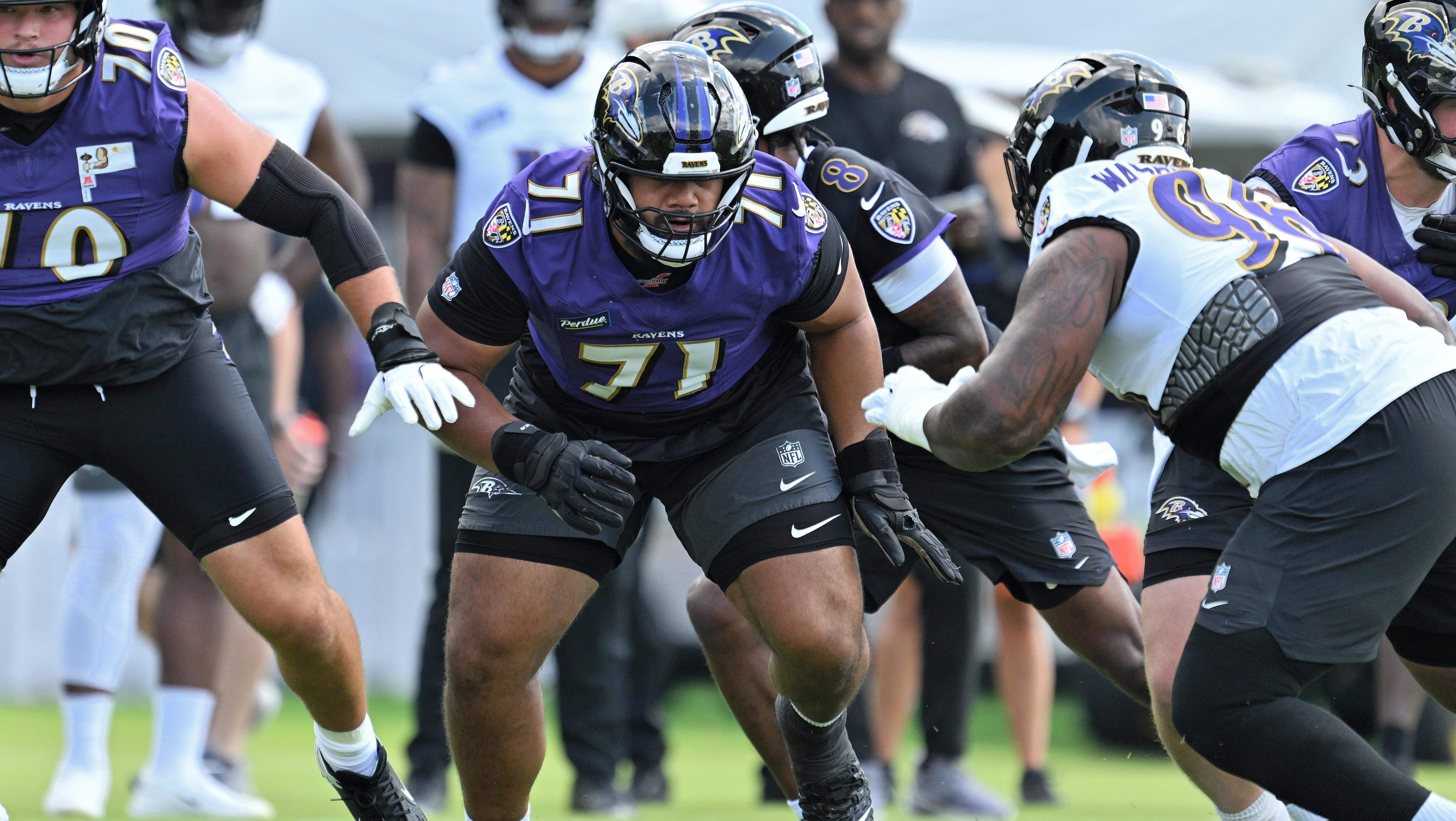
Physically, Johnson brings a rare combination of size, speed, and force. At 6-foot-6 and around 264 pounds, he uses his mass to disrupt returns and draw attention in the middle of the field, freeing up teammates for more established roles. His development on special teams has included learning techniques and strategic positioning beyond straightforward physicality, highlighting his versatility and coachable attitude.
Despite missing Week 6 with a neck injury, Johnson’s impact has been felt in the broader strategy of using multiple tight ends in creative ways. The offense has experimented with three-tight-end sets to create run-heavy looks, then spread the field to exploit favorable one-on-one matchups. In the passing game, the plan to utilize matches against linebackers or safeties could help unlock opportunities for other playmakers, particularly when the depth chart features players who can stretch the field or block effectively.
The Giants’ evolving use of Johnson reflects a broader emphasis on adaptable roles for players, especially in the tight end position. While attempts to establish him as a primary receiving threat have faced challenges, his value on special teams and in diversified offensive packages remains clear. Harbaugh and the coaching staff are evidently committed to getting the most from their roster by leveraging Johnson’s physicality, willingness to contribute on special teams, and growth as a versatile contributor in multiple phases of the game.