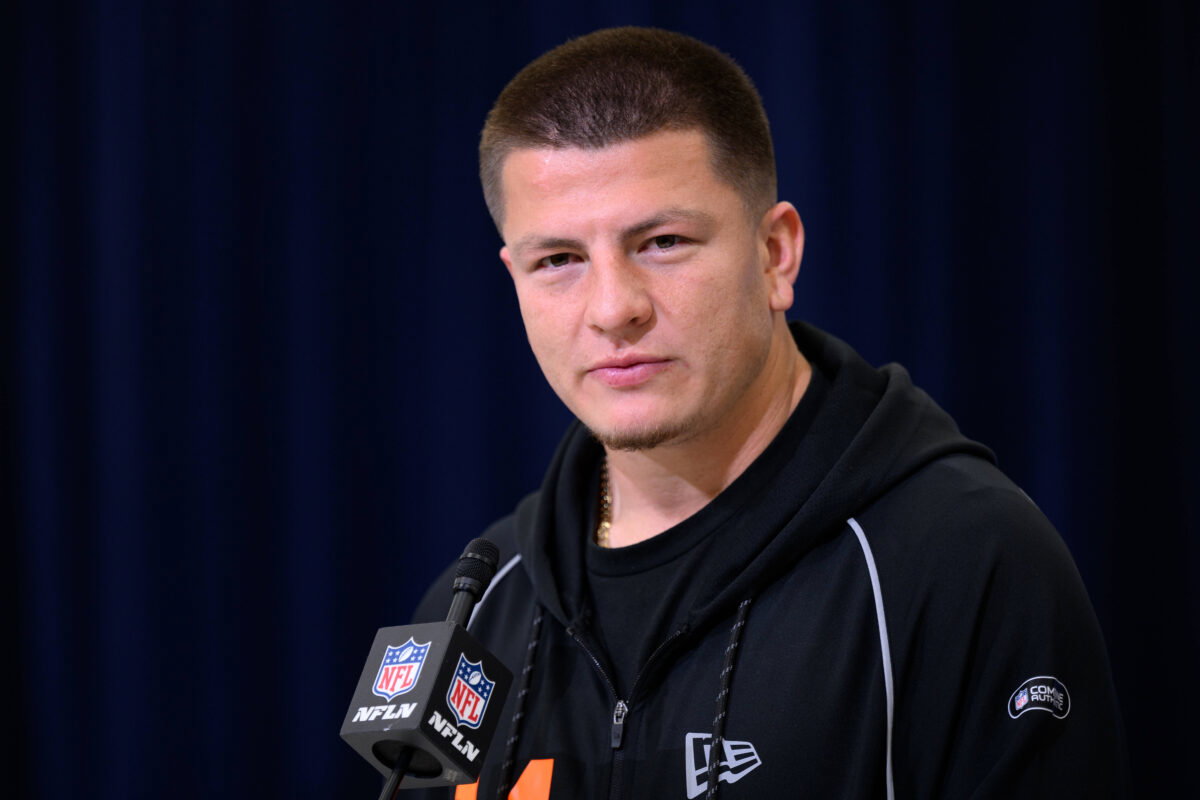
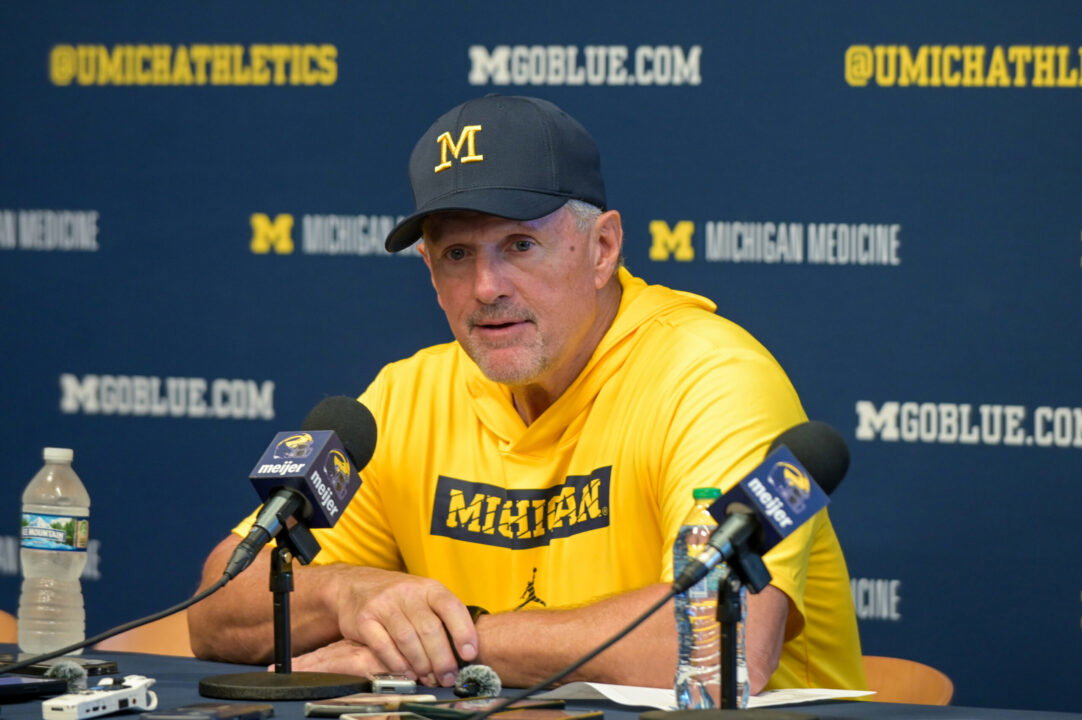
Redfern’s most notable single NFL moment came with the Detroit Lions in 2017. He joined the Lions’ 90-man roster after a season-ending injury to a key teammate, stepping in four years into his NFL journey. The opportunity, however, quickly turned into a brutal setback. During a game against the Arizona Cardinals, a botched snap led Redfern into an attempt to improvise a play—tackled as he tried to run the ball, he suffered a severe knee injury that ended his season after just one punt, a 50-yarder. The injury, comprising an ACL tear, an MCL tear, and a partial patellar tendon tear, marked a difficult turning point in a career already defined by brief stints and constant competition for a roster spot.
Despite the setback, Redfern continued to pursue his NFL ambitions. He joined the Dallas Cowboys in 2019 and later moved to the Atlanta Falcons, where he earned a promotion to the active roster in October and appeared in three games. Across his NFL tenure, Redfern totaled 10 punts for 421 yards in four regular-season appearances, posting an average of 42.1 yards per punt. He also contributed on kickoffs, recording 883 kickoff yards across 16 attempts. While his on-field statistics reflect a career characterized by brief opportunities and hard-won resilience, those close to him emphasize that Redfern’s impact extended beyond numbers.
Redfern’s life took a profoundly different turn in 2023 when he was diagnosed with a serious form of cancer—Central Nervous System lymphoma in the brain. The diagnosis initiated a lengthy battle that would span more than three years, during which Redfern and his family faced countless medical challenges, uncertainties, and difficult treatment decisions. The experience brought into sharp focus the human side of professional athletes, highlighting the emotional strain that accompanies a life lived in the public eye yet deeply rooted in the intimate sphere of family life.
On his 35th birthday, Redfern’s wife, Lauryl, shared a heartfelt update that reflected the gravity of the situation. The family, once pursuing aggressive treatment options, began preparing for hospice care as his condition deteriorated. Lauryl’s emotional post conveyed both the gravity of the moment and the enduring strength of their family bond. She wrote about the decision to prioritize comfort and quality of life, noting that hospice would also allow her to tend to him with the level of care and compassion he deserved, without the exclusive burden of caregiving falling on her shoulders alone. The message underscored the central role that family plays in navigating such profound health crises and the difficult trade-offs families must make when medical options become limited.
Redfern’s passing on October 13, 2026 marked the end of a long and courageous fight. Throughout his illness, and in the years of public attention that followed, tributes poured in from teammates, coaches, media members, and fans who remembered him not only for his athletic work but for the character and warmth that defined his interactions off the field. Social media posts from former teammates, public figures, and fans spoke to a legacy that goes beyond statistics or rosters. The outpouring of sympathy highlighted the sense of community that sports can foster, where players and fans alike rally around one another during a time of loss and hardship.
The memory of Redfern is carried not only in the stories of his NFL journeys but also in the way his family and supporters framed his battle with illness. His wife’s updates and messages during his illness painted a picture of resilience, love, and the daily realities of caregiving in the face of a terminal diagnosis. His two sons, Ollie and Logan, remained a central focus of the family’s life, and their presence offered a source of motivation and hope for Redfern and Lauryl as they navigated the medical maze together.
In reflecting on Redfern’s career and life, several themes emerge. First, the volatility of professional football—where even deeply committed players must continually compete for opportunities—was a defining feature of his NFL journey. Redfern’s determination to persevere through injuries and roster changes speaks to a broader truth about athletes who must consistently perform under pressure to extend their careers. Second, his battle with CNS lymphoma highlights the unpredictability of health crises that can alter life trajectories in an instant, irrespective of fame or professional success. Cancer remains a formidable opponent, and Redfern’s story adds a human dimension to the ongoing conversation about cancer awareness, research, and the importance of supportive family networks during illness. Finally, the outpouring of tributes from a wide spectrum of public figures and fans demonstrates the enduring impact a person can have beyond their sports career—an impact grounded in kindness, grit, and community.
Redfern’s legacy is one of perseverance, family, and courage in the face of hardship. While his on-field achievements earned him a place in the memories of those who followed his career, it is the personal strength he showed in confronting illness and the love he shared with his family that resonate most deeply with those who knew him and those who learned about him through stories of his life. His journey reminds fans and observers that athletes are more than their game-day performances; they are individuals whose lives, challenges, and resilience continue to inspire long after the final whistle.