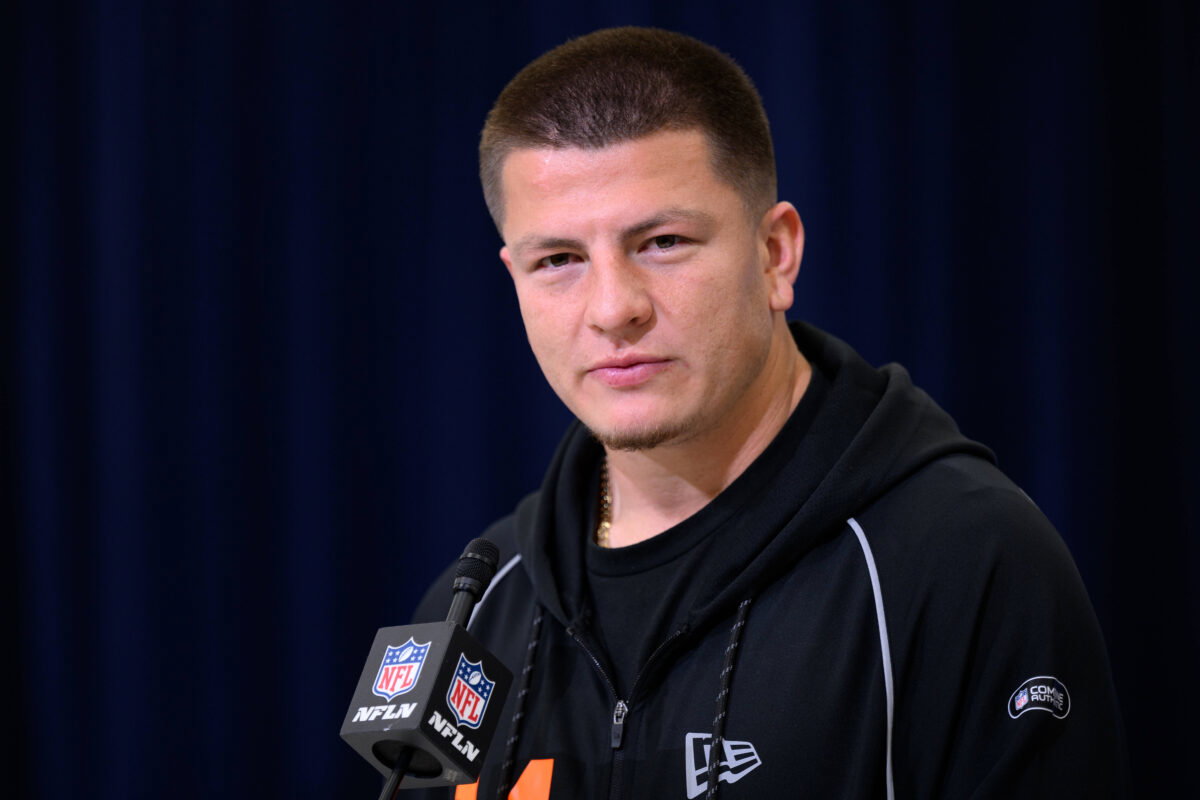
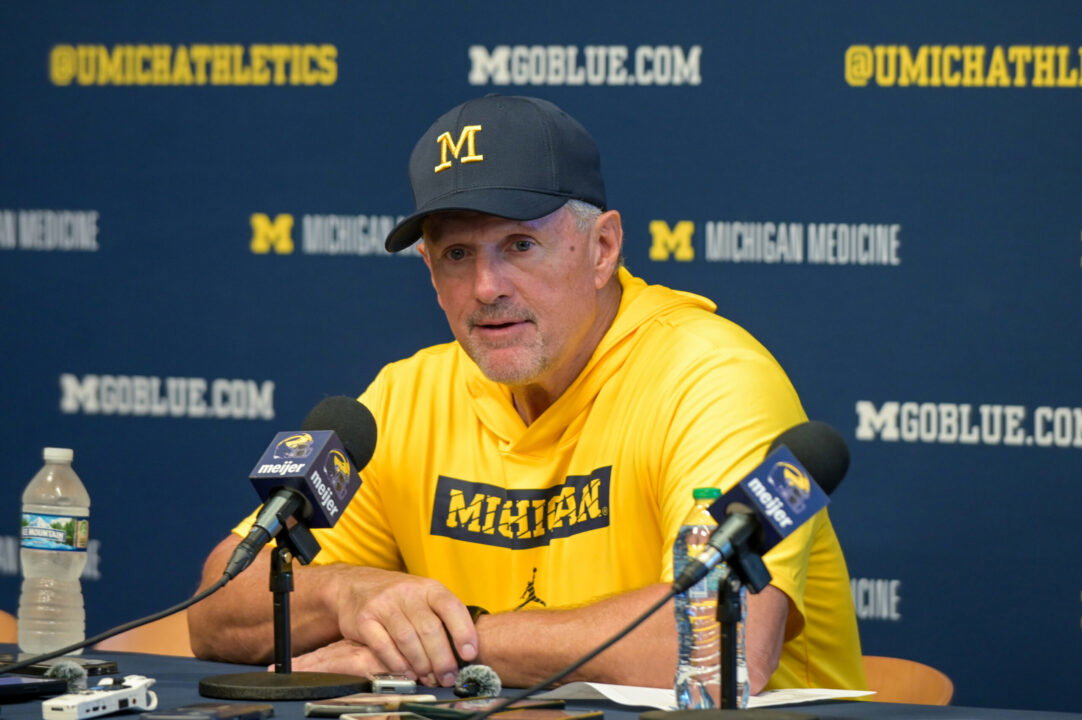
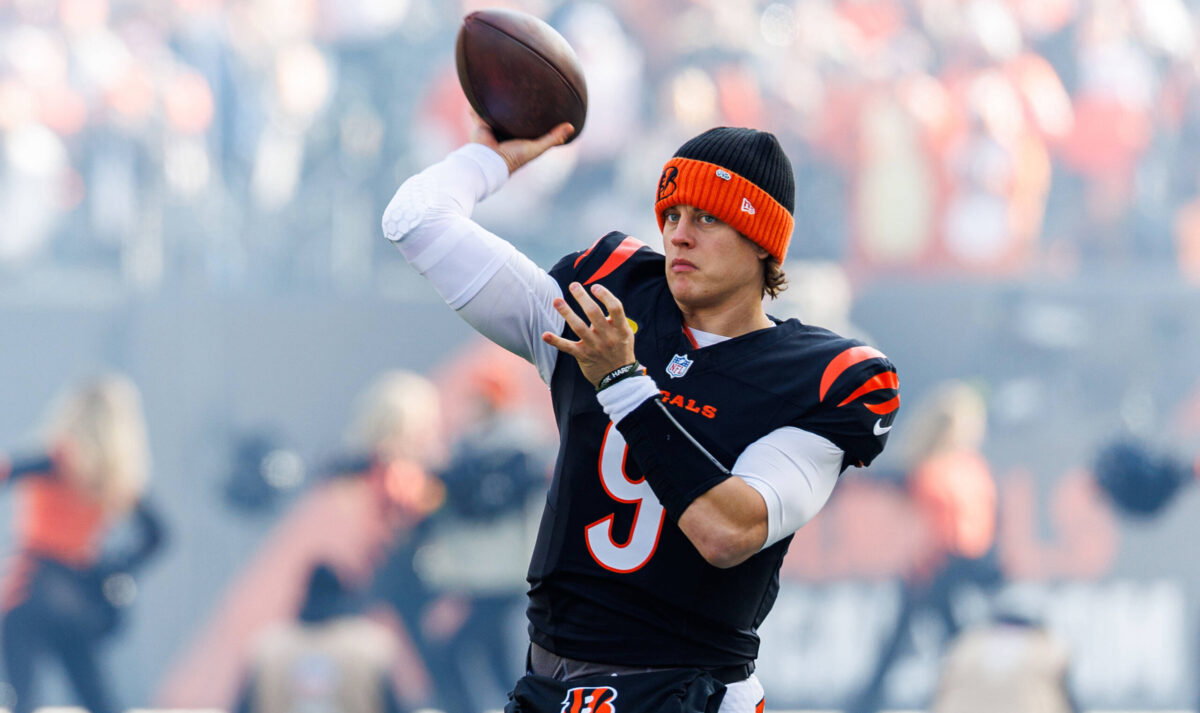
After the game, Sirianni spoke plainly about the sequence that sealed the outcome. He admitted, “What hurts there is that you see how hard the guys fought, and I don’t make the decision I should make at the end of the game, and I cost us that game, and I own that fully.” His candor was met with mixed reactions, as critics pressed whether his comments hinted at tensions with the fan base, the front office, or both.
Former players and analysts weighed in on the situation, adding another layer to the debate around the Eagles’ direction. Michael Irvin, the former Dallas Cowboys wide receiver, suggested that Sirianni’s remarks appeared to address both the team’s supporters and its leadership. The takeaway for many observers was that Sirianni understands the pressure of the role, especially with a roster aiming to maintain sustained competitiveness after a franchise-defining season.
The Week 5 setback came after a dramatic finish in London. Philadelphia had just taken a 17-16 lead when kicker Jake Elliott nailed a 48-yard field goal with eight seconds left on the clock. With Jacksonville out of timeouts, the Eagles appeared poised to close out the game. Instead, Sirianni chose to keep the play alive instead of kicking the ball through the end zone. Jaguars returner Ameer Abdullah fielded the kickoff, advancing 53 yards to Philadelphia’s 39-yard line and leaving one second on the clock. Jaguars kicker Cam Little then connected on a 57-yard field goal as time expired, giving Jacksonville a 19-17 victory.
This decision amplified concerns about Sirianni’s late-game risk tolerance. It wasn’t the first time such questions arose. Earlier in the season, there were pointed conversations about fourth-down decisions and clock management. In Week 3 against the Chicago Bears, Philadelphia opted to punt on a fourth-down situation, an aggressive move that many observers felt could have extended the drive and altered the momentum. Sirianni later acknowledged that the choice was a mistake, underscoring that the coaching staff is navigating a series of high-stakes decisions with game outcomes hanging in the balance.
A week later, in Week 4 against the Los Angeles Rams, Philadelphia surrendered a 10-point lead in the final quarter, allowing the Rams to score 14 points in the last four minutes. Sirianni’s call to go for it near the goal line instead of attempting a field goal drew scrutiny as a pivotal moment that contributed to the late collapse. Now, with three consecutive losses, the scrutiny has intensified, and Philadelphia has fallen to a 2-3 record.
These developments come against the backdrop of a recent height in expectations. Nick Sirianni guided the team to a Super Bowl victory in the 2024 season, a triumph that helped secure a five-year contract extension. Yet, as history in Philadelphia often illustrates, even successful coaches can face the ax if results do not follow and decision-making is frequently questioned. The franchise’s decision-making history offers a context for the current friction: a well-documented pattern where high-profile coaches have faced pressure when critical games do not turn in the team’s favor.
As the season progresses, the Eagles face further tests. A notable blow came with the news that quarterback Jalen Hurts has been ruled out for Week 6 due to a superficial blood clot. The absence of a starting quarterback complicates the team’s plans and magnifies the scrutiny surrounding Sirianni’s strategic approach. The team will need to navigate this challenge while maintaining competitive play and regaining confidence on the field.
Looking ahead, the Eagles must balance accountability with practical adjustments. The coaching staff is under pressure to refine late-game decision-making, optimize fourth-down situations, and improve clock management to prevent similar losses. The players, too, must elevate their performance in critical moments, converting opportunities that could tilt close games in Philadelphia’s favor.
In the broader NFL landscape, the conversation around Sirianni’s tenure reflects the sport’s unforgiving nature, where a single misstep can trigger a chain reaction involving players, fans, and front-office leadership. While a Super Bowl title in 2024 established Sirianni’s credibility, recent results have intensified the spotlight on his game-management instincts and ability to guide a talented roster through adversity.
As Week 6 approaches and Hurts’ recovery timelines unfold, the Eagles’ season trajectory remains uncertain. The team’s ability to rebound from a difficult stretch will hinge on disciplined preparation, sharper in-game decisions, and a renewed focus on finishing games decisively. The coming weeks will reveal whether Sirianni can steady the ship and restore momentum or whether the franchise will need to adapt its approach to maintain competitiveness in a league that rewards precision and consistency.
Note: This rewrite preserves the factual information about the Eagles’ recent results, Sirianni’s acknowledged responsibility, the Week 5 game against the Jaguars, and Hurts’ injury status, while removing all promotional references, original publisher ties, and extraneous attributions.