Walker built his reputation as a workhorse who could convert tough carries into reliable yardage. His performance culminated in a standout playoff run, where he accumulated key statistics that underscored his value. In his first season with another franchise, he has continued to demonstrate the traits that made him a coveted commodity: vision, burst, and the ability to gain positive yardage on the early downs that set up play-action opportunities.
But the evaluation of any player’s impact is a team-wide exercise. Seattle’s plans for the backfield were reimagined around younger and veteran contributors, with an eye toward developing depth and sustaining production across the entire offensive unit. The shift aimed to balance the run game with the pass, ensuring the offense could threaten defenses in multiple ways and avoid becoming predictable or one-dimensional.
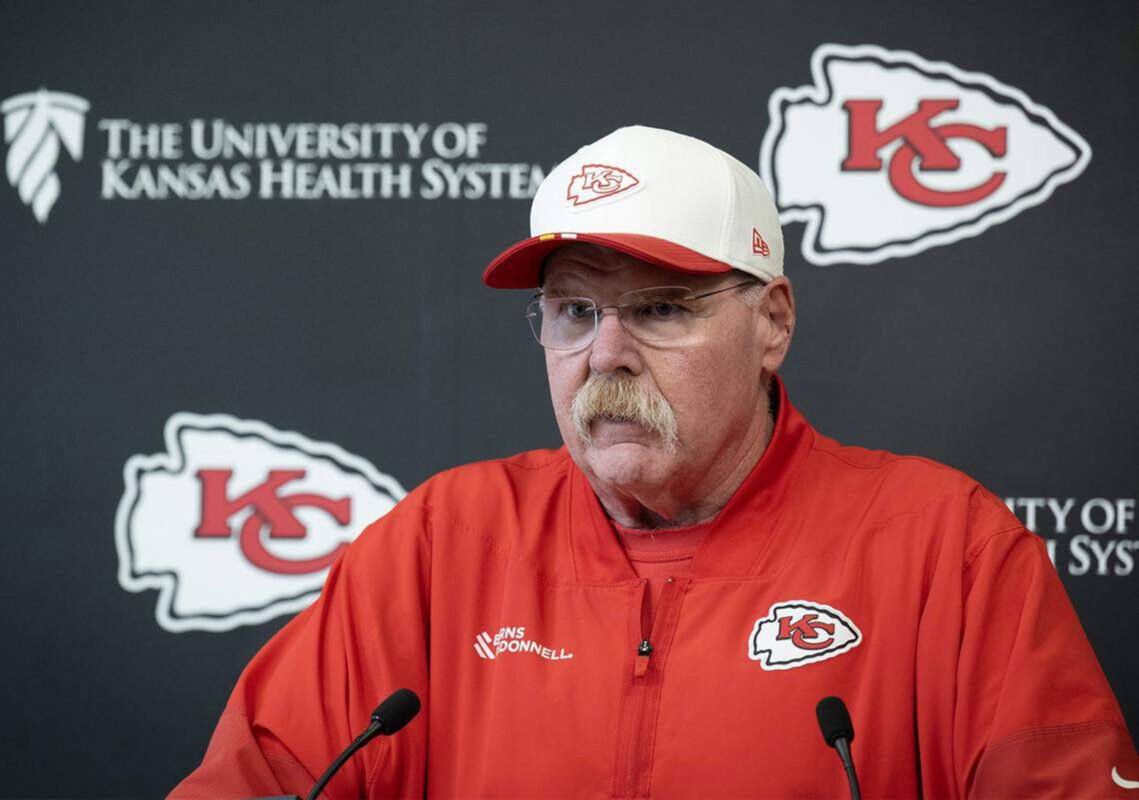
Meanwhile, analysts have highlighted the structural differences between the Seahawks’ approach and what Walker has shown in his new environment. In Kansas City, Walker has been a part of an offense that leverages multiple weapons and schemes designed to stress defenses from different angles. The Chiefs’ offense has allowed Walker to display his strengths in a setting that emphasizes variety, tempo, and adaptability. His ability to gain substantial yardage per carry and to contribute in the red zone has reinforced the importance of having a dynamic, multi-faceted back in a system that relies on both the run and the pass to sustain momentum.
The discussion extends beyond individual performances to how teams build around a quarterback and a coaching philosophy. When a game becomes more dynamic—featuring zone reads, misdirection, and option routes—teams can exploit vulnerabilities in defenses that are keyed to a single facet of the offense. A back who can execute in this context is valuable not only for carrying the ball but for enabling play-action strategies and off-script plays that keep defenses honest. The perspective of veteran coaches and executives often centers on the balance between running threat and passing threat, and how adjustments at the position can impact overall efficiency.
In Seattle, the plan to rely on a rotating combination of running backs was intended to preserve depth and manage carries, particularly as the team integrated younger talents into the lineup. However, six weeks into the season, the production at the position did not meet expectations, and questions about the run game’s effectiveness became a point of scrutiny. The contrast between Seattle’s early-season results and Walker’s early success in another city can lead to debates about talent evaluation, contract decisions, and the long-term strategic path for the offense.
The story of Walker’s transition to Kansas City also includes reflections from teammates and coaches. The process of joining a new system often comes with opportunities to showcase fit and compatibility with a quarterback and a coaching staff that values versatility and resilience. The feedback from those familiar with Walker’s abilities has reinforced the belief that he brings a blend of power, breakaway speed, and reliable hands as a runner who can contribute in different phases of the game.
Looking ahead, Walker’s presence in a high-powered offense raises anticipation for how defenses will respond to his addition. The Chiefs, coming off a bye week, prepared to face a division rival with a schedule that could provide further opportunities to demonstrate his impact. As games unfold, observers will watch for how his workload evolves, how the offensive line develops its cohesion, and how the team integrates his talents with the strengths of other skill-position players.
For Seattle, the situation reinforces a broader lesson about building a modern offense: the value of a multi-dimensional back who can carry a heavy workload, paired with an offense that can reliably threaten defenses with both the run and the pass. The contrast between Walker’s success in Kansas City and Seattle’s choices remains a talking point for fans and pundits who are evaluating personnel decisions, roster construction, and the ever-evolving philosophy of how to sustain a championship-caliber program.
As the season progresses, the league will continue to evaluate how each team optimizes its backfield and how those decisions influence overall success. Kenneth Walker III’s journey highlights the ongoing challenge of turning potential into consistency within a system that rewards versatility, adaptability, and the ability to perform when it matters most. Fans will be watching closely as he encounters old teammates in a high-stakes matchup, and as Seattle reevaluates its plans for the future, seeking to reclaim a balance that can drive sustained success.