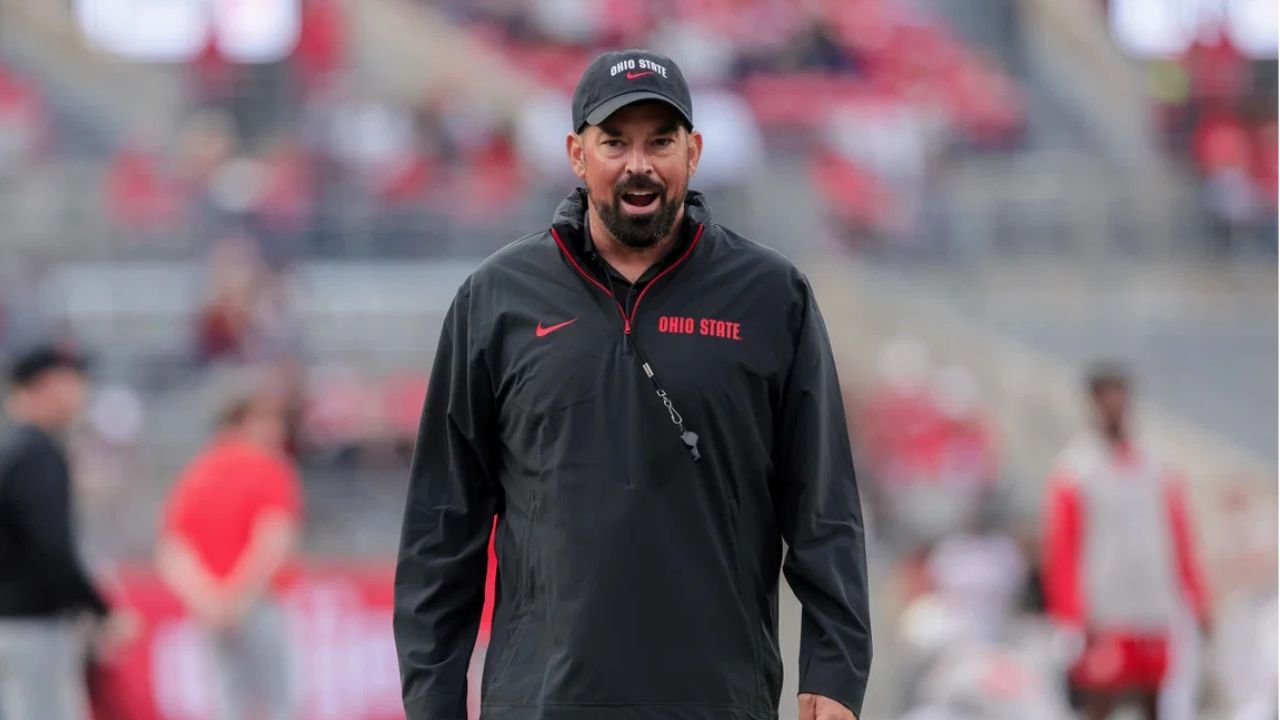
Reports circulated that Parker informed peers and reporters he would be guiding the defense from the sideline for the upcoming game against the Green Bay Packers, continuing a trend he had followed earlier in the season. This development appeared to contradict earlier statements from Jones, who had suggested Parker would move up to the coaching booth to oversee the defense from a higher vantage point. The situation drew attention from media circles and fans, as the team sought to address ongoing defensive struggles.
Dallas head coach Brian Schottenheimer weighed in, indicating that Parker would perhaps stay on the sideline for the game, though the final decision remained unsettled. Parker clarified that there was no intention to express discontent with the owner’s plan; rather, he preferred the closer contact with players and fellow coaches that the sideline position affords. He emphasized that both sideline and booth perspectives have their respective advantages—being on the field facilitates direct, face-to-face communication and rapid adjustments, while a booth view offers broader situational awareness, play-calling analysis, and note-taking opportunities. Parker noted his personal preference for being on the field, acknowledging the benefits of both setups.
Historically, the Cowboys’ defense had struggled in recent seasons, ranking near the bottom of the league in key statistical categories. Prior to Parker’s arrival, the defense was cited for its difficulties in stopping the run, shedding blocks, and maintaining solid alignment. The team had moved on from former defensive coordinator Matt Eberflus, hiring Parker in January 2026 with hopes of correcting its course. Parker, who spent two seasons with the Philadelphia Eagles under Vic Fangio, introduced a modern two-high safety, zone-focused scheme aimed at strengthening the unit’s efficiency and consistency.
Five games into Parker’s tenure, the defense had yet to deliver the breakthrough many anticipated. Critics pointed to execution gaps, missed tackles, and mismatches in terms of gap discipline and run fits. In the wake of the early-season results, Jones initially described any potential removal of Parker as premature. Yet, after continued setbacks, leadership transitions and adjustments to the coaching staff became a notable topic of discussion around the team.
As part of the organization’s recalibration, the Cowboys announced the addition of a veteran voice to Parker’s staff. Reports confirmed that former NFL head coach Mike Pettine had been brought out of retirement to assist with the defensive unit. The move was framed as adding experience and stability to a defense that sorely needed guidance from a seasoned strategist. Pettine’s role was described as providing mentorship and collaborative leadership alongside Parker, helping to steer the unit in a more effective direction during games and practices.
Fans and analysts alike will be watching to see whether Pettine’s presence translates into tangible improvements on the field. The defense now faces a pivotal test in Week 6 against the Packers at Lambeau Field, a matchup that will serve as a critical barometer for how the Cowboys intend to stabilize their season defensively.
In the broader context, the franchise remains committed to addressing the defensive unit’s core issues while continuing to refine its overall game plan. The combination of Parker’s ongoing leadership, the added veteran perspective from Pettine, and the coaching staff’s adjustments will be evaluated in the coming weeks as Dallas seeks to turn around a season that has begun with strong expectations but uneven results on defense. The results of the Packers game will offer a clearer picture of whether these personnel and strategic changes can yield the required improvements for the Cowboys.