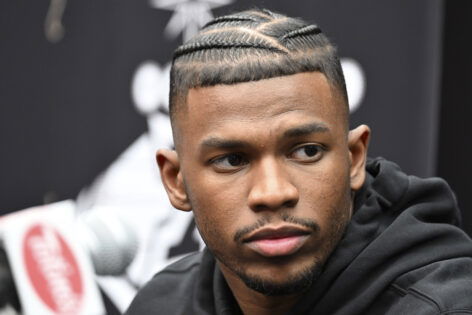
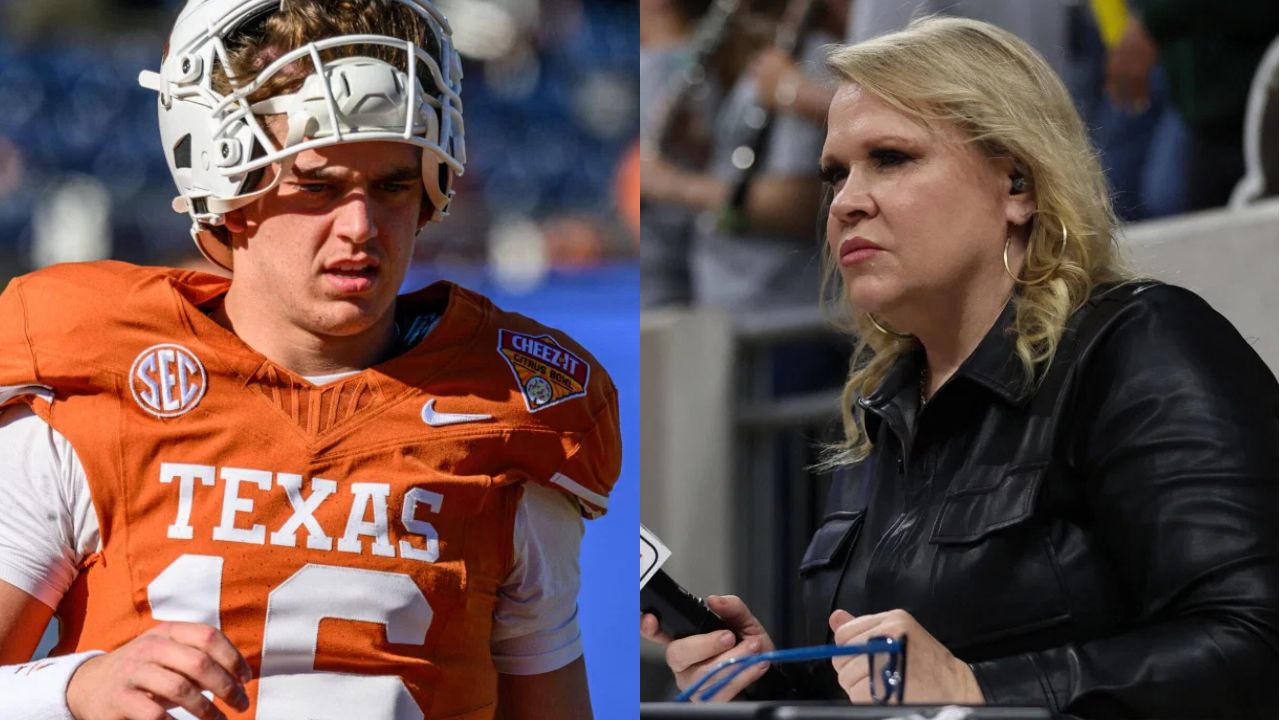
No. 19 Michigan improved to 3-0 with a dominant 52-17 victory over UTEP, closing non-conference play with a strong second half surge. While the comfortable final score suggested a smooth path forward, questions linger about three projected starters who were less than fully available for the contest and could influence how Michigan approaches a Week 4 showdown with No. 18 Iowa.
Projected starters and their status
– Jordan Marshall: Marshall entered the season as Michigan’s leading returner on the ground and was listed as a first-team starter. He carried 12 times for 59 yards against UTEP, scoring on a 6-yard run in the third quarter. His efforts were tempered by a lingering nagging issue, technically described as residual from the previous game. By late week, coach Kyle Whittingham indicated the issue could limit him, though the expectation remained that Marshall would be ready for the next challenge. The Wolverines hope to have him back at full strength for the Iowa game.
– Andrew Sprague: Sprague did not play in the UTEP game. The right tackle’s issue surfaced within the 24 hours prior to kickoff after he had taken every practice snap during the week. Blake Frazier moved from left tackle to right tackle to accommodate the situation. Michigan still managed a productive ground game despite the new five-man unit having zero practice reps together as a group. Whittingham described Sprague’s absence as a “weird deal” and noted it caught the staff off guard. The expectation is to have Sprague back soon, though no firm date was set.
– Zeke Berry: Berry was available for warmups but was ultimately a game-time decision and did not play. In his absence, Shamari Earls made his first career start. Berry’s decision to sit was described as a precautionary measure, with the safer approach aimed at ensuring he would be ready for the Iowa game. Michigan indicated Berry should be good to go after the rest period.
Overall performance and depth
Michigan’s depth shone despite the disruptions. With Marshall limited, and Sprague and Berry unavailable or limited, the Wolverines leaned on a makeshift offensive line unit that still produced 185 rushing yards. The rushing attack benefitted from a reconfigured line, with Evan Link starting at left tackle after missing the Oklahoma game and Nathan Efobi, Jake Guarnera, and Brady Norton rotating in along the line. The group logged no prior game-time reps together, yet they executed effectively against UTEP.
Whittingham praised the reserve group’s performance, highlighting that the new configuration handled the transition well given the lack of practice time as a unit. “For having literally no reps as a unit in practice all week long, I thought they handled it pretty good,” he said.
Behind the line, the offense featured strong quarterback play. Bryce Underwood completed 19 of 25 passes for 223 yards and two touchdowns with no interceptions. Andrew Marsh led the receivers with 10 catches for 105 yards and a score, while JJ Buchanan added seven receptions for 92 yards and a touchdown. Freshman Tommy Carr tossed his first career touchdown pass late in the game, signaling growth and development at multiple levels of the offense.
Key defensive performance
Defensively, Michigan was stout. The unit limited UTEP to 150 total yards, recording four sacks and 11 tackles for loss. The defense helped swing the game decisively, contributing to a 38-0 run after trailing 14-7 in the second quarter. The dominant stretch turned the game in Michigan’s favor and showcased the defense’s ability to impose control, even with some offensive line uncertainties and a makeshift unit.
Upcoming challenge: Iowa
The test intensifies next weekend when Michigan hosts Iowa. The Hawkeyes, also at 3-0, rely on defense, a physical running game, and solid field-position play. Iowa’s approach is expected to be similar to Michigan’s recent template: win the battle at the line of scrimmage, control the clock, and force mistakes in crucial situations. Having Marshall, Sprague, and Berry healthy and integrated could be pivotal for Michigan, especially against an Iowa squad that prioritizes discipline and consistency on both sides of the ball.
Other injuries and roster notes
Beyond the trio discussed, longer-term injuries remain a concern. Andrew Babalola continues to be out for the near future after a setback from a prior ACL injury in 2025. Ace Hamilton and Micah Ka’apana are out for the season. These developments add to the importance of smart rotation and the need for every available contributor to step up, particularly against a disciplined Iowa unit.
Team concerns and improvements
Michigan’s performance against UTEP highlighted both resilience and areas for attention. The Wolverines started slowly, trailing twice before the second-half surge, and have accumulated six fumbles in three games, losing four. Turning ball security into certainty will be essential as Big Ten play approaches and the schedule grows increasingly demanding.
Despite the stumble early in the season, Michigan’s latest win demonstrated depth and adaptability. The defense was relentless, producing numerous stops and showcasing a willingness to create pressure with multiple players contributing to sacks and tackles for loss. Offensively, the team found production from diverse targets, including a tight end and a young receiving corps, while the running game adapted to a temporarily altered offensive line.
Looking ahead to the rest of the season
With a demanding slate ahead—Minnesota, a bye, Penn State, Indiana, Oregon, and Ohio State on the horizon—Michigan will need reliable health and cohesive performance from its starting lineup and its depth players. The next few days will be crucial for finalizing availability reports and ensuring that the three primary players return to full health and form for the Iowa confrontation.
Bottom line
Michigan’s ability to win while dealing with injuries and mid-week changes speaks to the program’s depth and coaching resilience. The team now shifts focus to a major Big Ten clash with Iowa, where every starter’s status could influence both the game plan and the result. The path to a successful conference run starts with getting these players back to full health and ready to contribute in a game that promises to be both physical and pivotal.