Vaught-Hemingway Stadium resembled a pressure cooker as LSU battled back to knot the score at 24-24, though Ole Miss ultimately held on for the win. LSU had one final drive in the closing moments, but Sam Leavitt’s late efforts fell short. For a coach who spent six years rebuilding Ole Miss, hearing his old home crowd celebrate a triumph underscored how painful the loss felt.
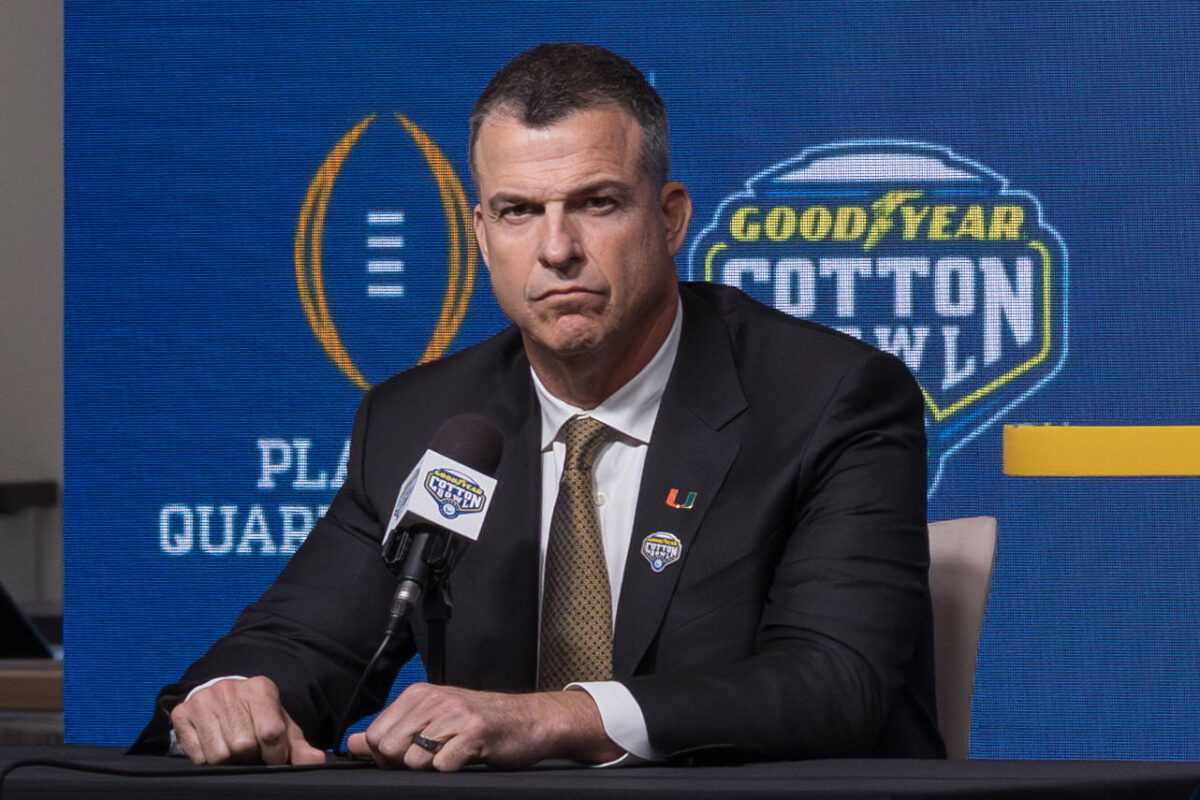
“I just thought it was probably more in, like, competitive mode, and just kind of embrace it. Sometimes you can’t predict your emotions,” Kiffin said in the postgame press conference. “I know that sometimes I don’t act like it, but I’ve got to. I’m a human too. I’ll just close by saying congrats to those guys. They played really well. They deserve to win. And I know it sounds weird, as much as I dislike the losing, whatever there is a part in there of, a lot of those coaches and players, and I wouldn’t say excited but I’m glad for them.”
The emotional weight of Kiffin’s past with Ole Miss helped intensify the night in Oxford. The long-standing relationship and six years of rebuilding the program were front and center as the crowd’s jeers and cheers created a tense backdrop. Ole Miss, now led by Kiffin’s former defensive coordinator, Pete Golding, has continued to push forward, with the Rebels entering the game 2-0 and fresh off a rivalry-history win over LSU in Oxford the previous season.
The atmosphere grew even more personal when Ole Miss quarterback Trinidad Chambliss, a player Kiffin personally recruited and helped develop, delivered a standout performance. Chambliss threw for 363 yards and three touchdowns and added the late go-ahead rushing score. After the game, Kiffin acknowledged the difficulty of seeing a player he mentored succeed against him, describing Chambliss as “the hardest player to play in America” and noting how Chambliss demonstrated his talent in a big moment.
“I’ve said a lot of it all week: my biggest fear every minute is when the game’s at the end. And Trinidad has the ball in his hands, and the guy made a lot of plays during the game and did a great job. He showed up great today and took over,” Kiffin said, adding that he anticipated criticism but emphasized the impact of time, relationships, and life experiences.
The 32-24 loss hit LSU hard, ending an undefeated start and placing increased pressure on the Tigers as they navigate the SEC schedule. LSU executives had invested in Kiffin with a seven-year, $91 million contract, hoping for high-stakes victories rather than reflective losses. Dropping this game immediately reshaped expectations and underscored that the decision to move on from Oxford carried significant consequences for Kiffin’s LSU tenure.
Returning to Oxford brought back deep personal connections for Kiffin, and the hostile reception amplified the emotional weight of the night. With the loss, LSU sits at 2-1, and the program must quickly regroup for an upcoming matchup against Texas A&M.
The emotional thread running through the game centered on Kiffin’s personal history with Ole Miss and the shared moments that defined his time there. While the crowd’s energy was intense, Kiffin’s comments underscored the human side of coaching, acknowledging both the pride in his former players and the sting of a difficult defeat. As LSU turns its attention to the next challenge, the lessons from a night in Oxford will likely shape discussions around strategy, leadership, and the enduring ties between a coach and a program.