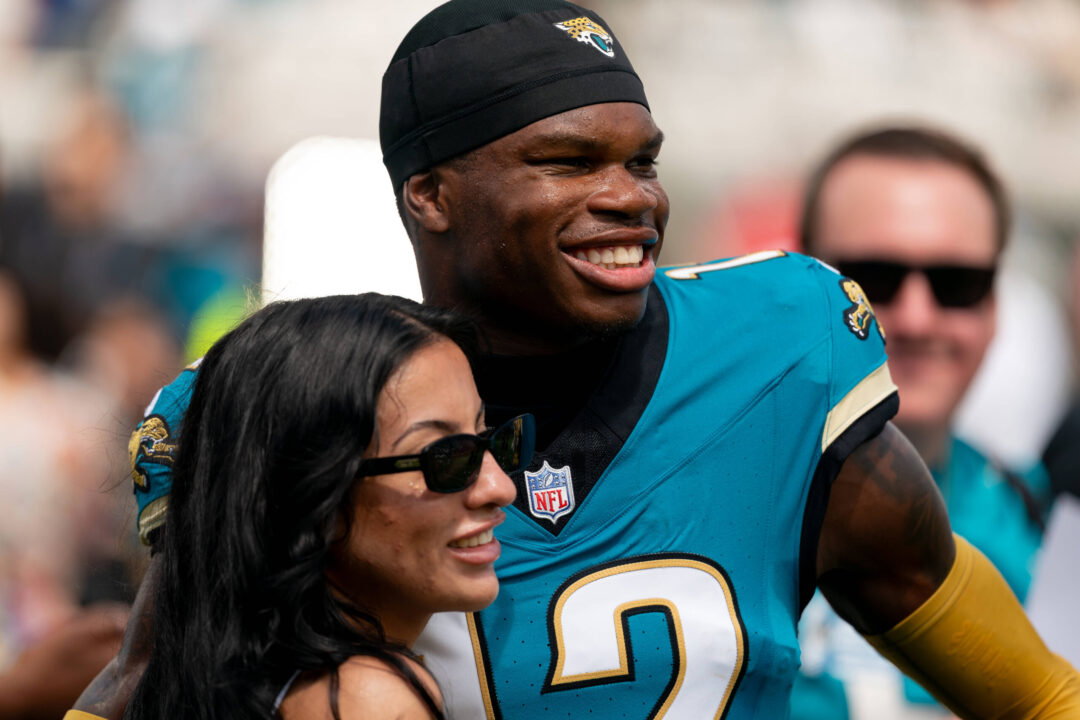
In the second quarter, with San Francisco holding a slim 7-3 lead, Robinson absorbed a blow and limped off the field. He was moved to the locker room for further evaluation, prompting concern about the depth and versatility San Francisco would have available through the remainder of the game. The early exit came at a time when the 49ers were trying to protect a modest advantage and continue building rhythm in the passing game.
Robinson had been productive on the day prior to his departure. He finished the first half with three receptions for 36 yards, including a 20-yard catch that helped set up an opportunity to extend the 49ers’ scoring drive. The offense had already leaned on him as injuries limited the options available to quarterback Brock Purdy, making Robinson a valuable safety valve and a reliable target on standard and third-down situations.
Heading into Week 2, Robinson joined a San Francisco receiving group that already boasted notable talent. The depth chart featured established playmakers, such as Mike Evans, Deebo Samuel, and Christian McCaffrey, all capable of producing in different ways. Robinson’s quick integration into the rotation had been a positive development for the offense, providing another trustworthy route runner and possession receiver for Purdy. Any extended absence would heighten the responsibility on the remaining receivers to create separation, win contested catches, and sustain offense on crucial downs.
The injury report surrounding the 49ers has been growing, illustrating a broader challenge for the team as it navigates a demanding schedule and a roster that has had to manage multiple dings. Robinson’s status added to a list of players who have dealt with durability concerns, testing the team’s depth at a position that frequently serves as a catalyst for big plays and sustained drives.
San Francisco has already faced notable disruptions on the outside. Early-season injuries included De’Zhaun Stribling, a rookie wide receiver who landed on injured reserve after suffering an ankle injury in Week 1. Stribling underwent surgery and is expected to be out for roughly 10 weeks, though there remains optimism about a return within the season. The club also shuffled its tight end group, placing Jake Tonges on injured reserve following an MCL injury in the same opener. In response, the 49ers brought in tight end Jack Stoll and promoted wide receiver KhaDarel Hodge from the practice squad to help maintain depth.
On the offensive side, several players were managing issues as the weekend contest unfolded. George Kittle was dealing with an Achilles-related concern, while Khalid Kareem carried a shoulder issue and Keion White managed a back problem. Kaelon Black was listed as questionable with a groin injury but was active for the game, contributing to the fluid nature of the lineup. Jordan Watkins was inactive, further limiting the available options at receiver and putting more onus on the remaining healthy players to execute the game plan.
The status of Robinson’s return would be monitored closely in the hours following the game. If he is unable to return, San Francisco will need to lean on its other playmakers to maintain a balanced attack and keep the offense moving consistently. The 49ers’ preparation for future matchups will likely emphasize evaluating depth at wide receiver and ensuring that all capable players are ready to contribute when called upon.
In summary, Demarcus Robinson exited the matchup against the Dolphins with an uncertain return status, having made a notable early impact before the injury sidelined him. His potential absence would further test a 49ers receiving corps that has already faced multiple hurdles this season, requiring other contributors to step up and help sustain the team’s offensive momentum as the schedule progresses.