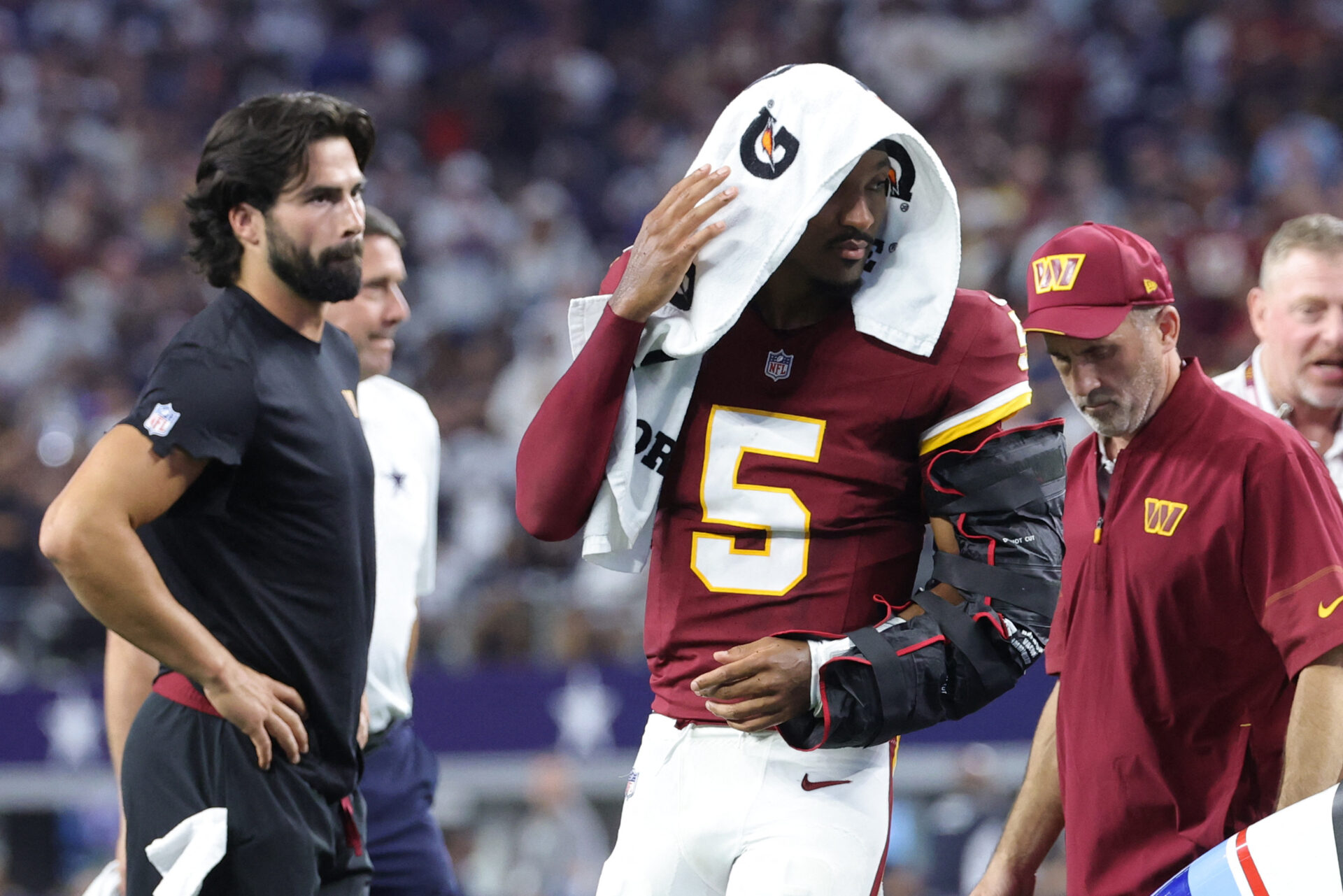
In the late stages of the game, Williams appeared to suffer a hamstring issue that prevented him from returning to action. The team has scheduled further testing to determine the full scope of the injury, with results expected to influence the quarterback’s availability for the coming week. While the official diagnosis was pending, the immediate mood around the Bears’ locker room carried a mix of disappointment and cautious optimism.
On social media and through team reporters, there were early signs that the injury may not be as severe as feared. Eyewitness updates from the sideline noted that Williams left the field walking under his own power, without crutches, and with only a minor limp potentially present. This kind of post-injury progression can be encouraging, suggesting a possible path to a quicker than anticipated recovery, but definitive conclusions will depend on Monday’s medical evaluation and any additional imaging or tests the medical staff deems necessary.
From a broader perspective, the Bears entered Week 2 with significant momentum after their explosive opener. A performance like that can set high expectations for the team’s trajectory, and a midseason setback—especially one involving the quarterback position—can be a stressful test for coaches, players, and fans alike. The immediate focus for the organization is to evaluate Williams thoroughly, establish a clear plan for the quarterback’s return, and maintain the overall team rhythm during the evaluation period.
Caleb Williams’ health is the top priority, but the development also has implications for the team’s preparation and depth at quarterback. Backup plans and contingency depth will be scrutinized as the Bears navigate through the early portion of the season. If Williams is sidelined for an extended period, the coaching staff would need to balance preserving the offense’s identity with practical adjustments to schematics and play-calling to minimize disruption.
Looking ahead, the Bears will likely reassess their week-to-week game plan, focusing on a sustainable offensive approach that can function with Williams’ mobility and arm strength while integrating the team’s receiving corps and running game. The coaching staff’s ability to adapt, communicate clearly with players, and manage game tempo will be critical in maintaining progress during a potential healing window for their quarterback.
For fans and analysts, the narrative remains twofold: Williams’ health and the form of the Bears’ offense in his absence. The Week 2 setback does not erase the improvements shown earlier in the season, but it does highlight the importance of resilience and depth across the roster. The organization will provide updates as more information becomes available, including the results of Monday’s tests and any changes to Williams’ status.
In the meantime, observers will watch how the team leverages its coaching, preparation, and veteran leadership to navigate this hurdle. The Bears have a chance to demonstrate their depth, adjust their game plans, and maintain momentum by staying focused on fundamentals—supporting a run game, protecting the ball, and creating opportunities for all playmakers to contribute, even if Williams is held out for a portion of the schedule while he recovers.
As the league moves forward, the Bears’ scene is one of determination. The medical updates will dictate a portion of the immediate future, but the foundation—cohesive team play, disciplined execution, and strategic adaptability—remains intact. The coming days will be telling as the coaching staff diagnoses Williams’ condition, maps out a path to his return, and ensures the roster remains prepared to compete at a high level, regardless of any temporary setback at the quarterback position.