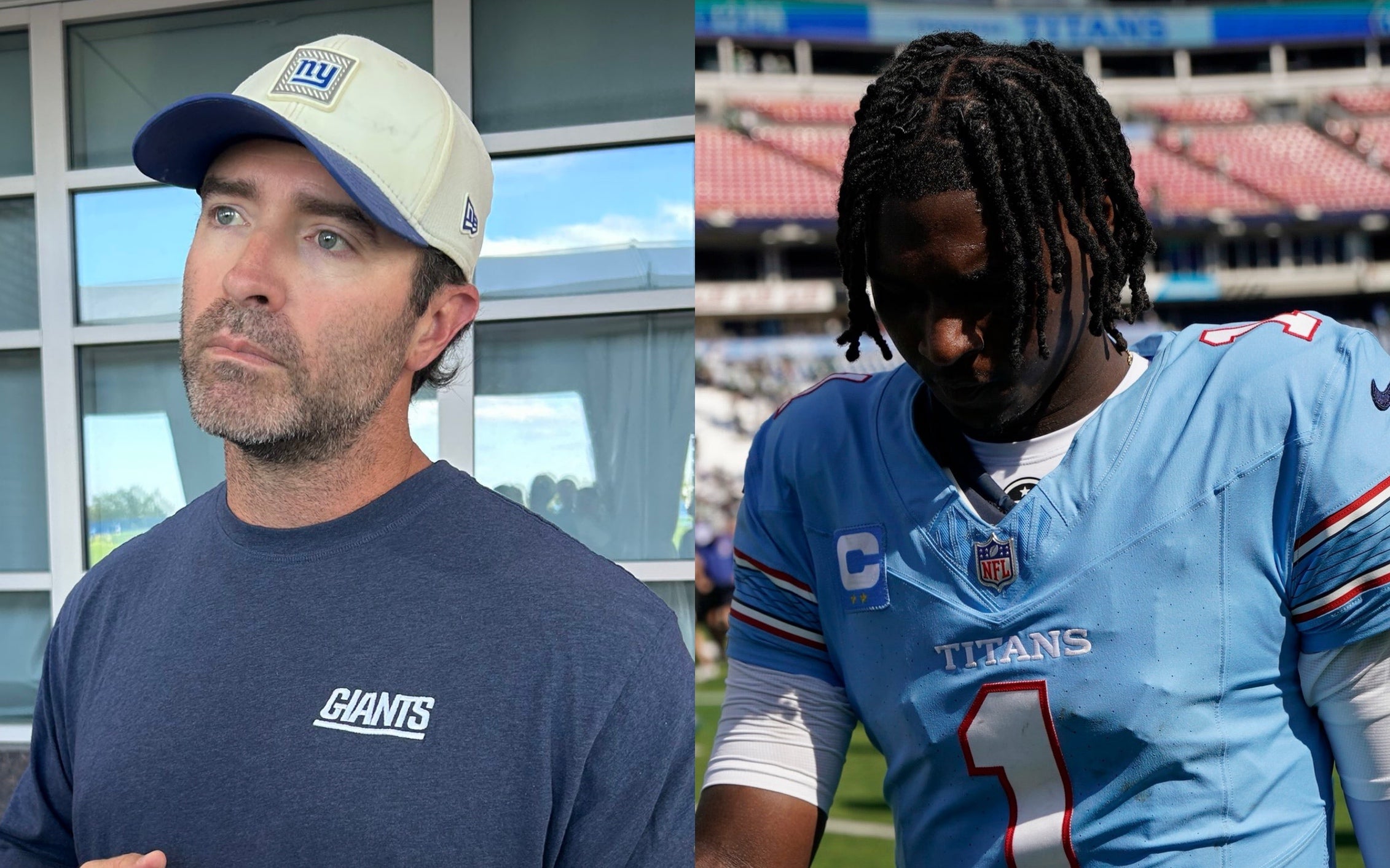
Daboll spoke for the opening time since the Jets game, taking multiple questions from reporters. The focus was squarely on the Titans’ performance in New York and not on potential adjustments for upcoming opponents. He acknowledged the need for improvement and was clear that the unit as a whole must do better, but critics noted a lack of concrete fixes in his remarks.
A recurring theme in Daboll’s responses was the use of coaching clichés. In a 15-question session, he employed a mix of eight different phrases a total of 36 times, averaging about 2.4 clichés per answer. The most common refrain was the emphasis on “better” play, “improvement,” or that things were “not good enough,” often without tying those words to specific, actionable changes.
Daboll did offer some accountability on the run game. When pressed, he admitted there could have been a better job calling run plays and indicated plans to adjust based on the Jets’ injuries and secondary look. He also noted that some runs would yield only two to four yards, stressing a commitment to continuing to run the ball. While this represented his clearest acknowledgment of a shortcoming, the overall tone remained cautious about detailing exact corrective measures.
Beyond the run game, questions about the offense’s reaction at halftime, receiver spacing, and quick-play sequences were met with generalized explanations about game plans and execution rather than targeted explanations of failures. Daboll emphasized the importance of a well-designed game plan and execution but did not offer a precise diagnosis of what failed in specific moments or what changes would be implemented in practice.
On the topic of Calvin Ridley, who did not record a target in the Jets game, Daboll offered a brief vote of confidence, stating simply, “I’m very confident in Calvin.” The exchange concluded without a deeper discussion of how Ridley would be integrated more effectively going forward.
The press conference raised an ongoing debate: is this a genuine, transparent accountability moment, or a well-polished set of responses designed to protect game plans ahead of the next matchup? The author of this piece leaves the question open, inviting readers to weigh whether Daboll’s approach represents true corrective focus or conservative coach-speak.
Looking ahead, the Titans prepare to host the Philadelphia Eagles in Week 2. The buzz surrounding the offense will continue to center on how Daboll and the coaching staff implement real changes to lift a unit that struggled to sustain scoring drives in the opener. Fans and analysts will be watching closely for tangible adjustments—particularly in the run game, in-player performance, and how the receiving corps develops rapport with the quarterback—rather than phrased assurances about improvement.
In sum, the Week 1 performance prompted a candid look at the offense’s shortcomings, but the clarity of the fixes remains a topic for analysis as the team moves forward. The next game will test whether the coaching staff can translate guarded accountability into concrete on-field improvements.