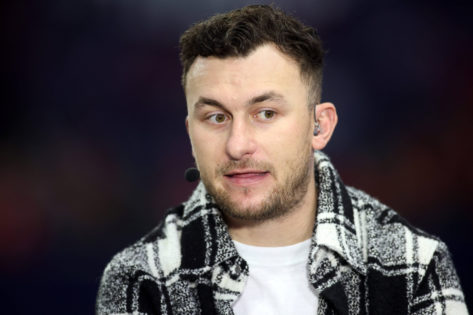
During Norvell’s tenure, the atmosphere at home games has grown tense for everyone involved. Former Seminoles quarterback Danny Kanell, who has long been closely tied to the program, described the environment as severely toxic. In an interview on The Next Round podcast, Kanell said the offseason mood carried over into the fall, intensifying as the season began. He characterized the current climate as one of the worst he has seen, insisting that the discontent among fans remains painfully high.
Kanell recounted his firsthand impressions from a recent game, noting that boos rose each time Norvell appeared on the stadium’s jumbotron. He recalled a specific moment after a 27-24 loss to the SMU Mustangs, when the crowd’s reaction included chants demanding Norvell’s removal. The personal nature of the backlash underscores how emotionally charged this period has become for those who care deeply about the program’s success.
Norvell’s tenure has drawn scrutiny not only from fans but also from media observers who track the program’s progress. Since the start of the 2024 season, his record has been 8-18, a figure that has fueled speculation about job security and future plans. A recent post on social media amplified the discourse, suggesting moving trucks were seen outside Norvell’s Tallahassee home. The post arrived amid broader leadership changes within FSU, including the firing of athletic director Michael Alford, which heightened the spotlight on Norvell as part of the program’s leadership group.
Norvell publicly addressed the rumors in a press conference, downplaying the online chatter and focusing on his responsibilities. He emphasized his commitment to the team, stating that his daily focus is on preparing the players and building a strong program culture. He also noted that there can be much speculation online, but his action remains centered on coaching and development. He later described a personal incident in which moving trucks were delivering household items, including a desk for his daughter, suggesting the situation at home is not as dramatic as some reports imply.
On the financial side, Norvell remains under contract through 2031 after signing an eight-year extension. The terms include a substantial annual salary, with incremental increases over time. The potential buyout figure—if the university were to part ways with him without cause during or at the end of the current season—has been reported in the range of tens of millions of dollars. While such details are widely discussed, they reflect the high stakes involved in college football leadership where performance, public perception, and institutional expectations intersect.
The discourse around Norvell is part of a broader pattern in college athletics, where fan engagement and media scrutiny converge in high-stakes programs. Supporters argue that building a competitive, sustainable program takes time, especially in a conference known for its depth of talent and competitive parity. Critics, however, contend that the program should be delivering more consistent results and revenue-generating success, which can intensify pressure during rough seasons.
Looking ahead, the question remains: how long will the current dynamics shape Norvell’s tenure at FSU? A number of factors will influence the outcome, including on-field results, recruiting momentum, program development, and the ability of the coaching staff to foster a resilient culture that can sustain success even during challenging periods. The situation illustrates how a major college program can become a focal point for both pride and frustration, with the path forward depending on performance, leadership, and the ongoing alignment between the ambitions of the university and the expectations of its supporters.
In summary, the Norvell era at Florida State has entered a phase where fan sentiment is highly polarized and public scrutiny is intense. While some view the coach’s long-term plan as a work in progress that requires patience, others demand more immediate improvements. The ultimate outcome will hinge on the program’s ability to translate potential into consistent results, re-establish trust with the fan base, and demonstrate sustained progress on the field.