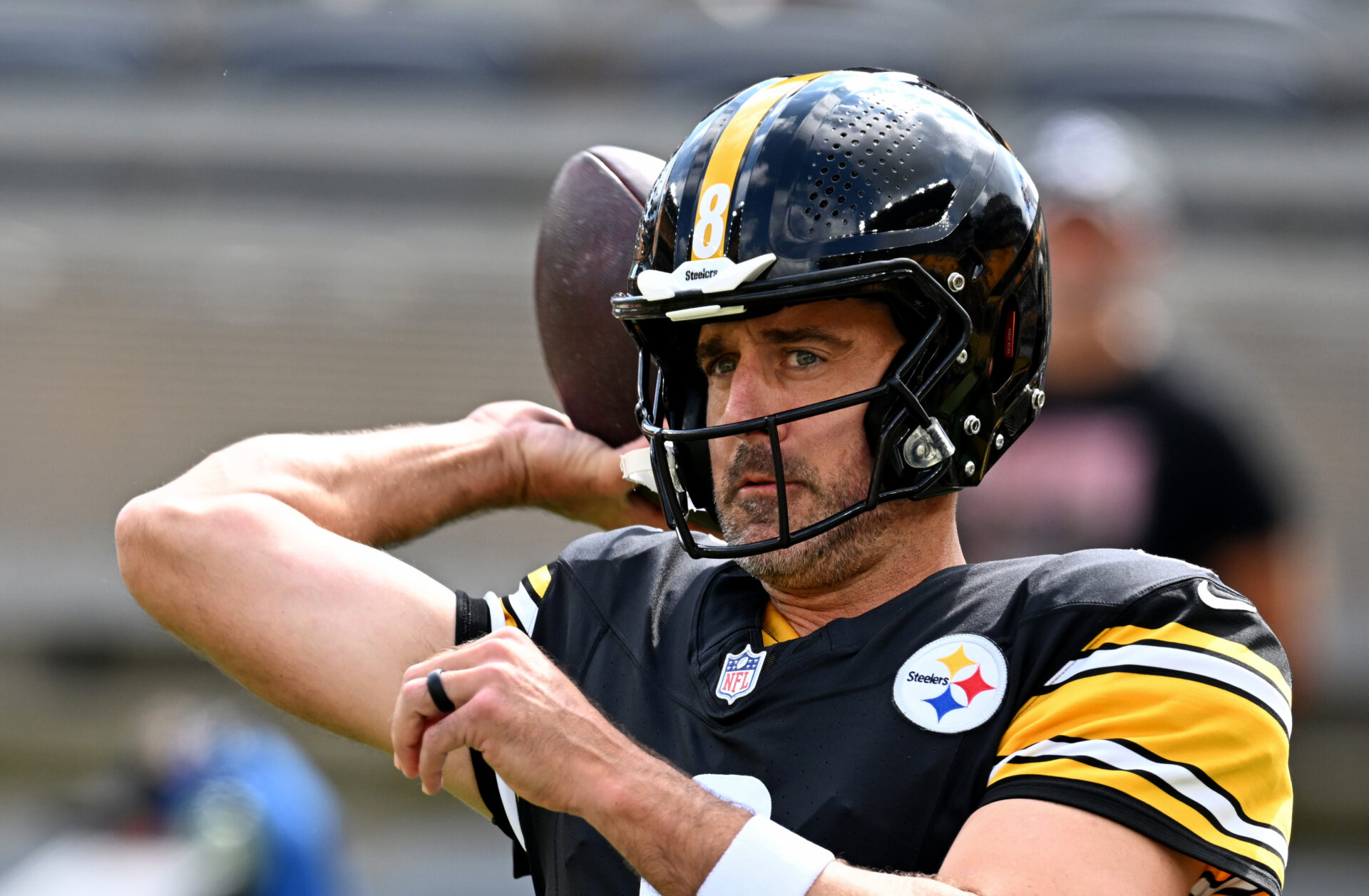
Breece Hall rushes for 130 yards against Green Bay
Hall delivered 102 rushing yards against Tennessee, a performance that felt quietly efficient rather than flashy. There were no long touchdowns inflating the box score; the Jets simply relied on the ground game. One extended second-quarter drive lasted nearly 12 minutes and included 15 rushing attempts, with Hall handling nine of those carries. That kind of sustained rushing workload can compound, turning moderate gains into a 130-yard total by the end of the game.
New York showed a clear identity in Week 1. Hall logged 22 carries as the Jets totaled 152 rushing yards, and the coaching staff praised the offensive line for setting the tone during that marathon drive. In Week 2, Green Bay started with personnel challenges on the defensive line as Warren Brinson missed practice and Javon Hargrave and Devonte Wyatt were limited. If the Jets can keep the game close and stay ahead of the chains, Hall can continue to be fed and could break into a big rushing day again.
Kenneth Walker III rushes for 140 yards against Indianapolis
After years of a more pass-first approach from Kansas City’s offense, Walker sparked a shift by posting 173 rushing yards on 26 carries against Denver, including a 60-yard touchdown. He then logged 26 touches overall, providing a dynamic element the team had lacked from the backfield in recent seasons. Indianapolis faced a tough matchup against a more physical runner in Derrick Henry recently, who piled up 144 yards on 24 carries. Walker presents a different challenge with speed and burst, while also forcing missed tackles—he impressed with 14 missed tackles in that prior outing and produced a noticeable rushing-over-expected metric.
Kansas City does not need to overwork Walker to have a big day. If he again sees a low-20s workload, a single crease or big play can swing the contest in his favor. The team’s willingness to lean on him for substantial carries provides a realistic path to a 140-yard rushing performance.
D’Andre Swift rushes for 120 yards against the Vikings
Swift has looked like the type of back Chicago envisioned when rebuilding the offense: decisive through the hole, dangerous once reaching the second level, and capable of transforming a well-blocked six-yard gain into something larger. He needed 18 carries to gain 124 yards against Carolina, showing the potential for a big total with enough rushing attempts.
This projection isn’t about simply increasing touches; it’s about sustaining the same running style and creating opportunities through the Bears’ offensive approach. Chicago’s Week 1 performance showed movement at the line of scrimmage, and Swift consistently found space with some after-contact yardage. While his average yardage per carry may regress slightly, the Bears can attack the Minnesota defense with a mix of zone runs, quarterback movement, misdirection, and complementary blocking that keeps defenders from loading downhill on Swift. If the blocking and design are there, Swift can approach 120 rushing yards.
Key notes for context
– The three backs come from distinct strategic angles: a featured workload with sustained carries, a back in a run-heavy scheme, and a runner in a system designed to maximize time of possession and efficient runs.
– All three scenarios depend on game flow and the ability to stay ahead of the chains, allowing sustained rushing attempts and limiting the defense’s ability to pin its ears back against the quarterback.
– The featured performances hinge on favorable matchup dynamics and the ability of the offensive lines to win at the line of scrimmage, creating opportunities for long runs and yard-after-contact gains.
These aren’t guaranteed outcomes, but they reflect plausible paths to a monster rushing day under the right conditions.