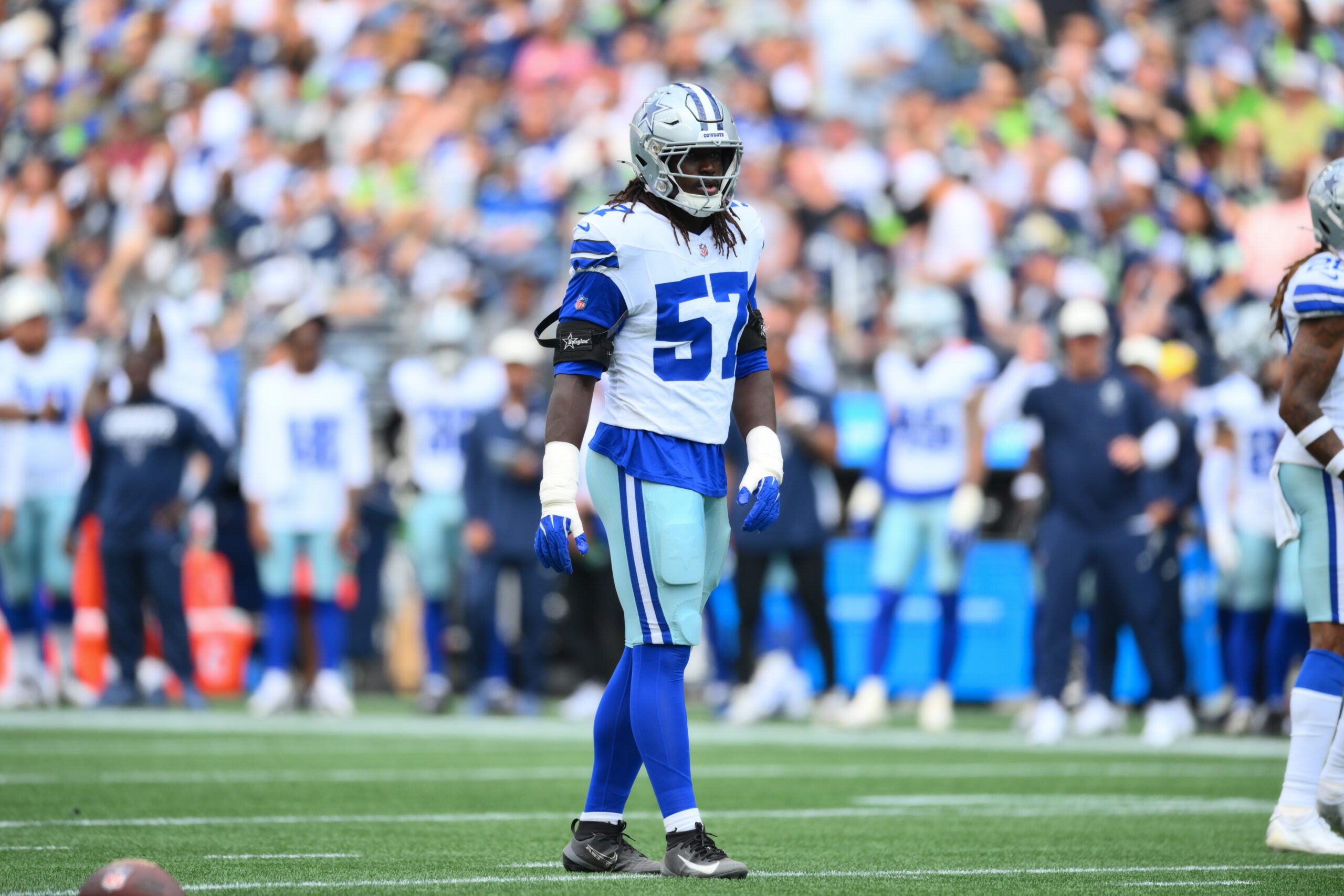
Dallas arrives after facing New York in a game that exposed both strengths and vulnerabilities. The Cowboys’ offense showed resilience on third down, converting at an 8-for-11 clip, and Dak Prescott avoided sacks, though he did surrender a costly sideline interception. Those are teachable moments rather than fatal flaws; the coaching staff will emphasize cleaner decisions and better execution moving forward. The bigger question for Dallas is how the offense will look once it capitalizes on its multifaceted talent in a more consistent rhythm.
In Week 1, running back Javonte Williams saw 12 carries, a number far below what the Cowboys will likely deploy as the season progresses. Expect Williams to receive more touches in Week 2, especially if Dallas leans into a game plan that combines heavy run sets with efficient short-area passing. A methodical first drive—potentially extending beyond seven minutes—could help Dallas control time of possession, keep Washington’s offense off the field, and set a tone for the game. If the Cowboys can blend a sustained ground attack with timely play-action, they can pressure Commanders quarterback Jayden Daniels into making quick, decisive reads rather than allowing him to set a tempo.
The Dallas receiving corps includes top talents who have the ability to break games open. While both George Pickens and CeeDee Lamb experienced rough outings in Week 1, their athletic ability and track records suggest better production ahead. The two are proven playmakers who tend to heat up as defenses adjust to the rest of Dallas’s offense. When they connect, they stretch defenses vertically and create opportunities for the run game and intermediate routes.
Washington’s biggest concern heading into this matchup is its pass protection against Dallas’s defensive front. The Cowboys’ offensive line did not yield a sack against New York, highlighting the unit’s resilience and technique. Left tackle Tyler Guyton had a standout performance, with strong run blocking and improved pass protection. The interior line—center Cooper Beebe anchoring the center position and Tyler Booker providing solid play—appears stable, but there are vulnerabilities at left guard and right tackle due to injuries or suboptimal matchups. If Washington’s passing rush can generate pressure through targeted blitzes or by exploiting those interior gaps, they will have a better chance to disrupt Dallas’s rhythm.
Dallas’s defense, despite showing potential, was outmatched in spots against the Giants. How much of Week 1 was rust versus real capability remains to be seen, but Washington’s offense—built around a quicker, more surgical passing game led by Daniels—presents a different challenge than New York’s physical ground game. Dallas’s linebackers are athletic enough to cover and disrupt plays, and if they stay disciplined, they can limit Washington’s quick-hitting attack and force longer drives that favor Dallas.
Caleb Downs stands out as a player Washington cannot ignore. The rookie safety has quickly proven himself as a difference-maker, delivering tackles for loss, pass breakups, and quarterback pressure. His presence adds a dynamic variable to Washington’s game plan that Dallas must account for in both the passing and run games. While Washington’s receiving corps—if they stay healthy—can present a mix of speed and route-running precision, Downs offers a blueprint for how Dallas can dissect Washington’s tendencies and force mistakes.
From a strategic standpoint, Dallas’s path to victory hinges on balancing its run game with efficient play-action passes, drawing Washington’s defense away from the line of scrimmage and creating opportunities for explosive plays downfield. Washington, meanwhile, will rely on Daniels’s quick releases and a disciplined protection scheme to counter Dallas’s pass rush and to keep the drive-building possessions moving. If Washington can execute a fast-paced, high-percentage offense and avoid costly penalties, they can keep the game within reach and pressure Dallas into mistakes.
The Week 2 game between these two NFC East rivals represents more than a standard early-season matchup. Both teams are trying to establish their identity after a rough opening week and will be playing with a heightened sense of urgency. The outcome could influence not only the division race but also the momentum teams carry into the following weeks. Expect a tightly contested game, with careful game management, a mix of run-heavy and quick-pass concepts, and a battle in the trenches on both sides of the ball.
Key factors to watch:
– Dallas’s ability to sustain long opening drives and maintain possession, limiting Washington’s chances to attack with speed.
– Washington’s protection schemes against Dallas’s front seven, plus Daniels’s decision-making in high-pressure moments.
– The performance of Caleb Downs and how Washington leverages his playmaking ability without compromising coverage integrity.
– The efficacy of Dallas’s run game and how it sets up play-action opportunities to stretch the field.
Prediction (prospective): This is a game likely decided by execution in the red zone and in situational football. If Dallas demonstrates improved offensive efficiency and leverages play-action to create open looks for Lamb and others, they have the edge. If Washington executes a sharp, fast-paced attack and minimizes penalties, they keep it close and potentially pull a Week 2 upset. As both teams seek to avoid falling further behind in a competitive division, expect a hard-fought, difference-making performance from key playmakers and a game that underscores the importance of momentum early in the season.