The responses varied, yet each offered insight into the mindset and tone inside the locker room. The Titans are a mix of newcomers and veterans, and their differing viewpoints highlight the tension between a fresh group trying to establish an identity and a fan base eager for proof that the franchise is turning a corner.
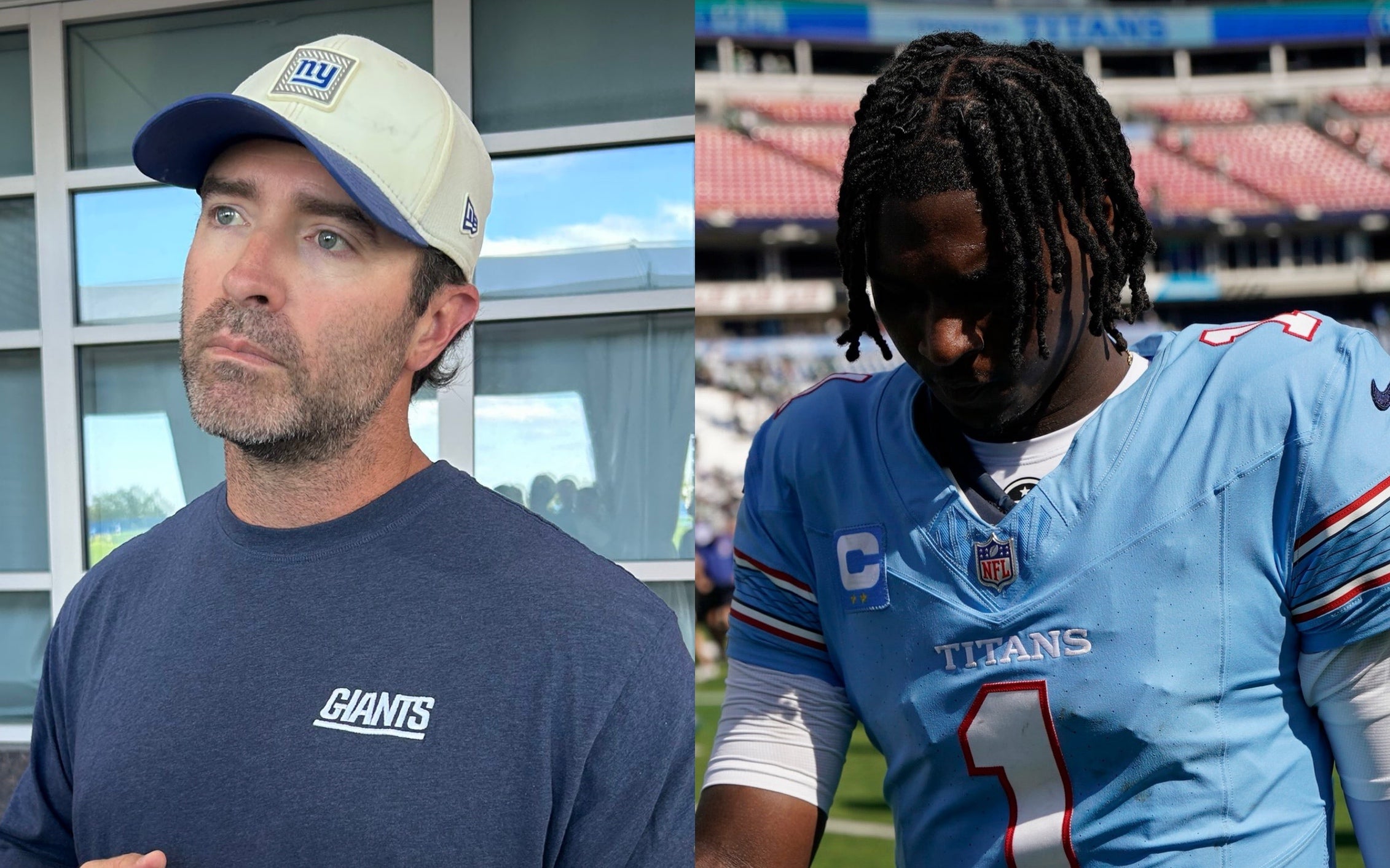
Robert Saleh sets the tone on accountability and continued improvement. He was candid about the Week 1 performance, acknowledging that it fell well short of the standard. When asked whether the upcoming game against the Philadelphia Eagles could serve as meaningful evidence of progress, he stressed that short-term results aren’t enough. The focus must be on consistent improvement: “The objective is to prove what we can get better at, prove that we can compete and prove that we’re a team capable of four quarters and winning football games.” He also emphasized that past performances don’t automatically earn belief; credibility must be earned week by week. He underscored that last week’s game “sucked” and that the team needed to address the issues on Monday, set the truth, and prepare to attack the next opportunity.
Cam Ward, the quarterback, offered a measured response. He described himself as highly self-critical and committed to ongoing coaching and improvement. Ward acknowledged his own misplays and suggested a broader approach: focusing on better execution through accuracy and better decision-making. He did not deflect responsibility, instead indicating a willingness to adjust and learn. His post-game reflection on short-area misses evolved into a clearer acknowledgment that accuracy and route execution were essential focuses for the week.
Peter Skoronski, the longtime Titans offensive lineman, spoke honestly about the root problem. He drew a distinction between “bad-ball” football—where errors and chaos dominate—and “nothing” football, where the team simply isn’t generating quality plays. Skoronski argued that Week 1 was not about catastrophes but about an absence of positive plays. He also asserted confidence that the team is different from some past groups, citing the depth of training camp, joint practices, and a shared understanding of the offense as indicators of a more functional unit. He acknowledged fans’ frustration and conveyed that the players recognize and share that sentiment, even as they believe the current roster can progress.
Jeffrey Simmons, a veteran defensive lineman, opened the door to optimism while remaining grounded. He indicated that the locker room has confidence in its players and coaches, and he stressed the importance of shifting focus quickly to the next game. Simmons suggested that the team should strive to replicate the positive aspects of their play from earlier in the season and apply them against the Eagles. While he didn’t issue a categorical yes to the question of whether Week 1’s response would be a definitive barometer, he implied that the team should be able to translate what they’ve shown in practice and earlier moments into game-day results.
The newcomers also weighed in with useful perspectives. John Franklin-Myers, a defensive lineman who joined from Denver, emphasized patience and a belief that the defense’s performance can improve rapidly with small, correctable adjustments. He acknowledged the fans’ concerns but suggested that the issues could be traced to a single execution or communication error per play, which would be much easier to fix on a play-by-play basis than to overhaul entirely. Wan’Dale Robinson, a wide receiver who has experience in the offensive system under Bill Daboll, offered a veteran’s view from inside the scheme. He asserted that the offense should look as it does when it’s functioning properly and that Week 1 didn’t reflect the intended design. Robinson’s point was to remind observers that the offense can work when run as designed, and that Sunday was not a representative example of the system’s capabilities.
Week 2 presents a clear opportunity for the team to demonstrate its character and capabilities. The central question is not simply about winning or losing against the Eagles but about whether the performances in Week 1 were an isolated lapse or indicative of deeper, systemic issues that will persist. The players’ discussions suggest a belief that the team has the talent and structure to improve quickly, but time will tell whether that belief translates into results.
In communicating with the players, differences in perspective emerged—some emphasized the absence of positive plays, others focused on execution, and a few highlighted the potential for rapid fixes with one or two correctable errors. Taken together, these views illustrate a team at a crossroads, attempting to bridge a gap between the optimism of new faces and the expectations of a fan base hoping for a meaningful turnaround.
As Week 2 approaches, the overarching takeaway is clear: the Titans believe they are different and capable of improvement, but the upcoming performance against the Eagles will serve as a crucial indicator. The feedback from the six players underscores a shared commitment to accountability, continued adjustment, and a willingness to confront the realities of Week 1 in order to chart a more positive path forward. The next game will help determine whether this is a transitional period with room to grow or the beginning of a more challenging trajectory that will require sustained adjustments to reach the level the team and its supporters expect.