What happened
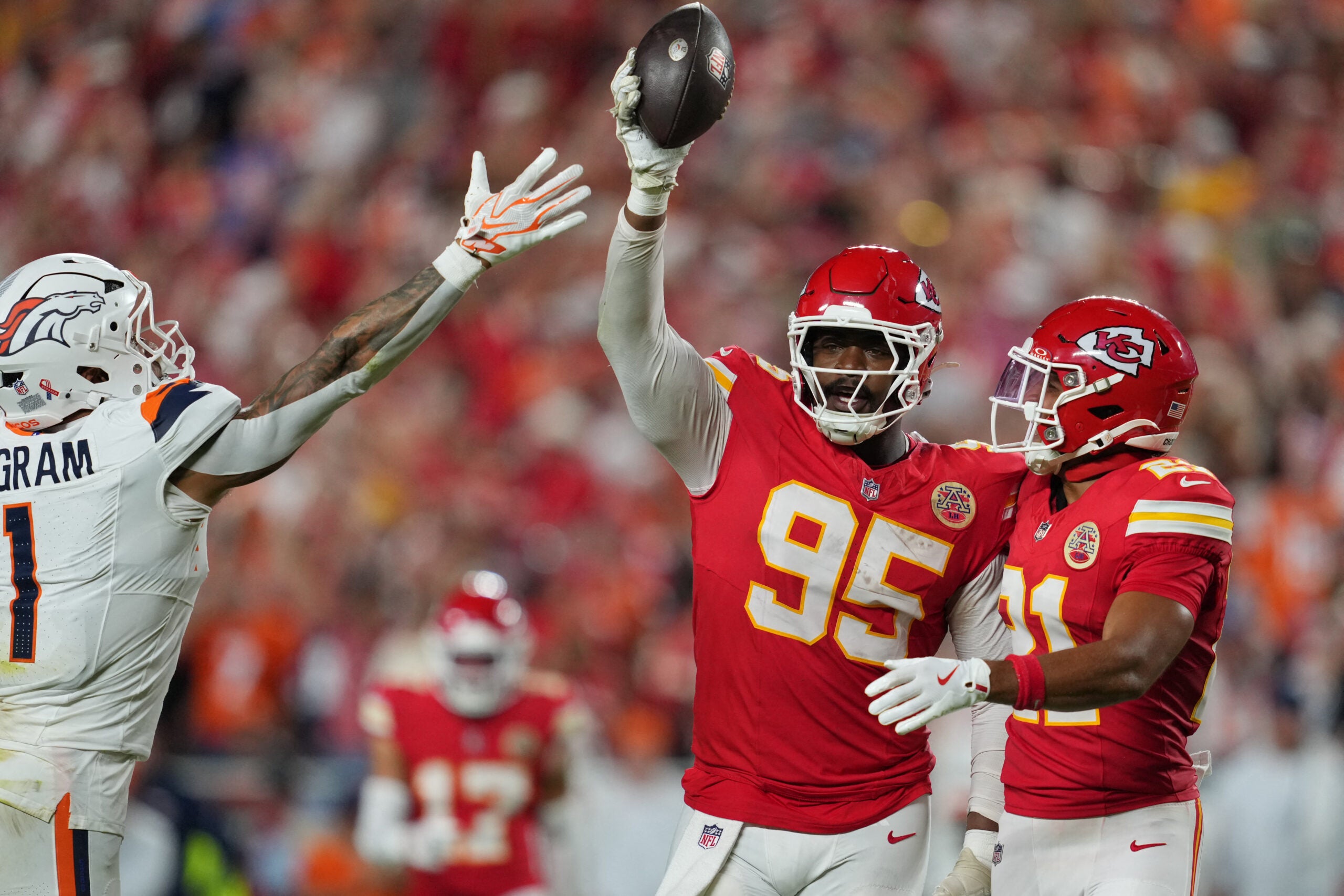
– Harris and Wright pursued college football after previously entering the NFL landscape. Harris, a defensive tackle, played for Ole Miss in college and signed with the New Orleans Saints as an undrafted free agent. He spent the preseason with the Saints but was waived on August 8. Wright, a tight end, had a parallel path of exploring college opportunities after NFL training camps began.
– Following their attempts to re-enter college football, the NFL Management Council issued a memo to all 32 clubs. The memo states that Harris and Wright are ineligible to visit, try out with, or be signed by any NFL team during the 2026 season because they returned to college football after NFL teams opened training camps.
– This development was reported through an information channel that cited the memo from the NFL, noting the league’s stance on players who return to college football after having been eligible for the 2026 NFL Draft.
Implications for Green Bay and the broader league
– Green Bay had already invited Harris for a tryout earlier in the week, reportedly as part of its scouting and evaluation process. The NFL memo introduces a potential conflict between team activities and league eligibility rules, creating a scenario where a team may have to pause or reconsider a prospective signing.
– The NFL’s directive emphasizes the importance of verifying a player’s eligibility before any signing, contract, or on-field activity. The memo makes clear that clubs must consult with the NFL Player Personnel Department if there is any doubt about a player’s eligibility. Failure to verify could lead to disciplinary actions, including the loss of draft picks, fines, or sanctions against personnel.
– For teams, including Green Bay, the situation underscores the complexity of players who explore alternate paths after college and the NFL. While a team can conduct its own due diligence, the final determination rests with the NFL and its eligibility policies. The memo serves as a reminder that practical decisions on visits, tryouts, and contracts must align with league rules.
Backstory: how the two players reached this point
– Zxavian Harris played college football at Ole Miss as a defensive lineman and entered the 2026 NFL Draft, where he went undrafted. He later joined the New Orleans Saints for training camp and the preseason but was released.
– Dae’quan Wright pursued a return to college football after entering the professional ranks. The broader context included ongoing legal and institutional debates about players who have signed professional contracts but seek to resume college eligibility. An injunction granted in a separate college-related case granted additional eligibility lanes to a subset of athletes, allowing them more time to continue their education and football careers, though this route did not ultimately lead to Wright or Harris securing a place on LSU’s roster.
– The evolving landscape around eligibility drew attention to how the NFL’s rules intersect with college eligibility and the broader administrative decisions made by universities and conferences.
What to watch next
– The NFL’s next steps will determine whether any formal disciplinary actions against Green Bay or other clubs arise as a result of the Harris tryout. While the memo’s timing suggests it could be interpreted as not retroactively applicable to the Packers’ recent actions, the league reserves the right to enforce its rules for any club that might have violated eligibility guidelines.
– Harris and Wright remain in a state of ineligibility for the 2026 season, but potential future opportunities could exist if the NFL confirms a path to return for the 2027 season. Clubs evaluating players with hybrid paths between college and professional football will need to stay current with league communications to avoid inadvertent violations.
– The broader takeaway for teams: rigorous verification of a player’s eligibility remains essential, and proactive coordination with the NFL’s Player Personnel Department is encouraged whenever there is any uncertainty. Clear documentation and adherence to league guidelines help protect a club from penalties and ensure that talent evaluations do not clash with regulatory requirements.
Bottom line
The situation surrounding Zxavian Harris and Dae’quan Wright highlights the ongoing tension between attempts to balance college eligibility and professional opportunities. The NFL’s memo establishes a clear rule: players who return to college after being eligible for the draft and then attempt to re-enter the NFL season cannot visit, try out with, or sign with NFL teams during that season. For Green Bay, the episode serves as a cautionary example of the importance of verifying player eligibility before proceeding with any workouts or signings. As the season unfolds, teams will be watching how the league enforces these rules and whether any changes or clarifications arise to guide future decisions about players navigating both college and professional football paths.