Injury updates and early recovery timelines
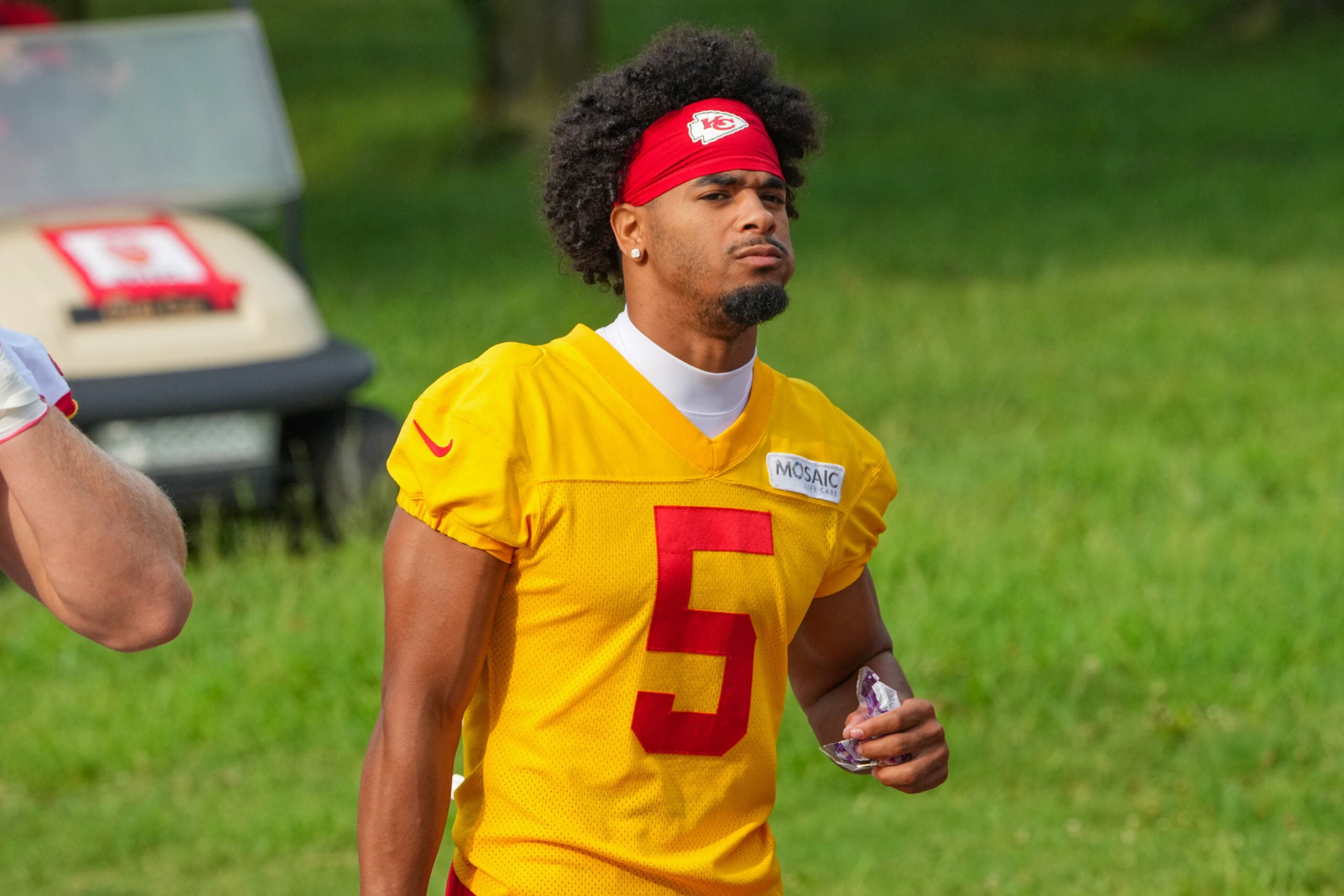
Cooper, a rookie wide receiver from Indiana, suffered an ankle sprain. Early indications suggest he could be back within a week or two, with a best-case scenario pointing to a return by early October. While any injury to a young receiver is a concern, the timeline here is relatively short, which offers relief for a Jets offense still looking to develop chemistry and consistency through the early weeks of the season.
Fitzpatrick, who serves as a veteran leader in the secondary, sustained a strained groin. The initial prognosis places him out for approximately two to three weeks. Losing a central figure on the back end is more impactful than the absence of a rookie receiver in the immediate term, as Fitzpatrick’s leadership and playmaking ability help organize coverage, communication, and overall defensive cohesion.
Rosters moves to reinforce the receiving corps
To shore up their pass-catching depth, the Jets signed veteran Sterling Shepard to the practice squad. Shepard brings NFL experience and a proven ability to contribute as a reliable target, particularly in a developing receiving group. Alongside Shepard, the Jets added wide receiver Tyler Johnson to the practice squad as an additional option. Given the current active roster, Shepard is anticipated to be elevated for Sunday’s game against Green Bay, providing a ready-made depth boost for the offense.
Currently, New York lists four active receivers: Garrett Wilson, Adonai Mitchell, Isaiah Williams, and Arian Smith. The return of Cooper would further strengthen this unit, but in the meantime, the Jets will rely on Wilson and Mitchell as primary options, with Williams and Smith expected to contribute as well. Shepard’s availability could help ease the transition and prevent undue pressure on the younger players.
Impact on the offense and potential rise of others
Cooper’s debut promised a glimpse of the Jets’ offensive upside. He flashed on the opening drive against the Titans, illustrating his potential playmaking ability with a dynamic run-after-the-catch and the ability to gain yards after the catch. That level of athleticism is attractive for a Jets offense aiming to diversify its routes and tempo. While the rookie’s injury is a setback, the expectation that he will return relatively quickly helps keep the team optimistic about maximizing the offense’s ceiling as the season unfolds.
Looking ahead, the Jets will likely lean more on Garrett Wilson, Adonai Mitchell, and Isaiah Williams to carry the load in the receiving corps. Arian Smith may see an modest increase in snaps as the Jets evaluate matchups and depth. The addition of Shepard provides an experienced target who can help fill gaps during Cooper’s absence and can contribute immediately if called upon in game situations.
Defensive ripple effects and depth adjustments
Fitzpatrick’s absence could have a more pronounced effect on the defense than Cooper’s on offense. Fitzpatrick is a captain of the Jets’ secondary, known for his versatility, leadership, and playmaking ability. His presence organizes the back end and stabilizes coverage schemes. In his stead, the Jets promoted Jordan Clark to the active roster to provide depth in the secondary, and they signed safety John Saunders to the practice squad as an additional contingency.
While the Jets will miss Fitzpatrick’s leadership in the short term, the team has the pieces to stay competitive while he recovers. The defense has other veteran leaders in the front seven, including middle linebacker Demario Davis, who anchors the unit. The goal will be to maintain the level of communication and execution that Fitzpatrick typically brings, even as players step into larger roles.
Overall outlook and strategic posture
The injuries to Cooper and Fitzpatrick are not expected to derail the Jets’ trajectory. The two-to-four-week window is short enough to preserve a larger portion of the season’s longer objectives, assuming players return on schedule. If Cooper comes back near the early-October target and Fitzpatrick is back soon after, the team can regain full strength and potentially build momentum heading into a stretch that includes challenging opponents such as NFC North teams and other high-caliber defenses.
The Jets’ early depth, especially at wide receiver, will be tested, but the organization’s approach—bolstering the roster with veterans, promoting internal depth, and enabling other young players to grow into larger roles—demonstrates a methodical plan for maintaining competitive performance while injuries are managed. The combination of a quick return for Cooper and Fitzpatrick’s timely comeback could keep the Jets on a positive track for the season, reinforcing expectations for 2026.
In summary, while temporary injuries to key players pose challenges, the Jets’ strategic roster moves and the expected short recovery timelines offer a path to maintaining offensive and defensive balance. The coming weeks will reveal how effectively the team adapts and whether the added depth can translate into continued on-field success.