Early on, the offense had trouble sustaining drives, particularly with a backup quarterback at the helm. The team managed just a handful of productive plays through the first seven series, and it wasn’t until late in the second quarter that momentum started to shift. A pivotal 39-yard touchdown catch by Justin Jefferson, marked by a toe-tap in the end zone, kept the Vikings within reach at halftime and provided a spark that carried into the second half.
Injury dynamics at quarterback added another layer of complexity. The Packers tested Minnesota’s depth, and the Vikings’ plan hinged on managing without a consistent, healthy starter. As the game progressed, the offense began to show signs of life, but the road to a complete offensive breakout remained arduous. The team’s ability to respond to adversity has been a hallmark of O’Connell’s tenure, yet critics have noted that real progress hinges on stabilizing the position and ensuring the game plan adapts quickly to quarterback availability.
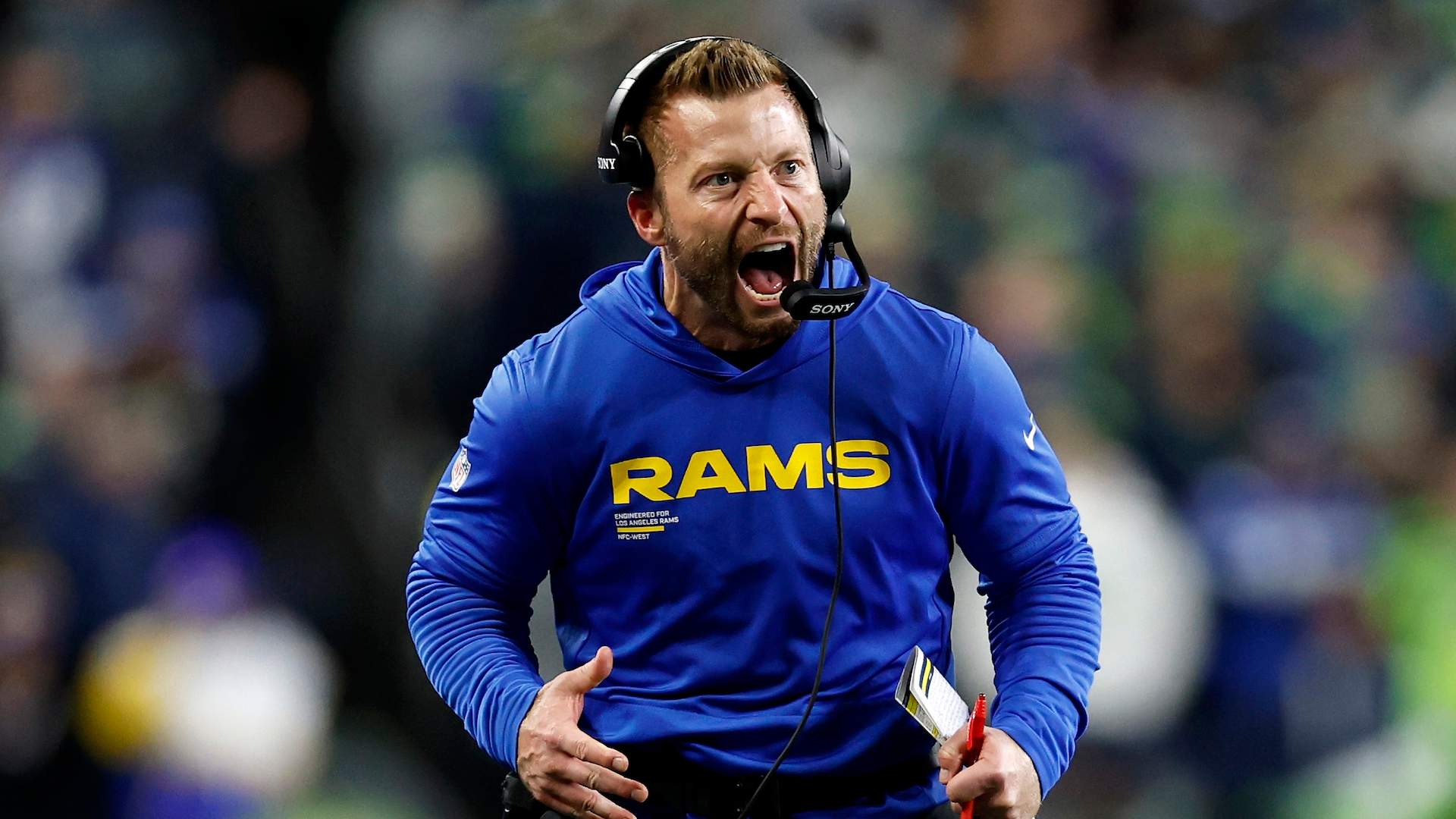
The head coach has openly reflected on coaching decisions in moments of quarterback adversity. He acknowledged that he’s still learning how to balance aggressive play-calling with a broader strategic view of the game, including the performance of the defense, special teams, and the overall tempo. He emphasized trying to view the game through a wider lens rather than focusing solely on play-by-play decisions and the stat sheet. This mindset is part of a broader effort to grow as a head coach while navigating the uncertainties that come with a rotating quarterback situation.
The Vikings’ victory rested on a late-quarter turnaround that swung momentum in their favor. After trailing for most of the game, a sequence of explosive plays and timely takeaways helped Minnesota puncture the Packers’ defense and seize control. The defense capitalized on opportunities, generating turnovers in the fourth quarter that halted Green Bay’s attempts to mount a comeback. The surge culminated in a strong finish, illustrating the team’s resilience and depth when most needed.
A central storyline remains the health and stability of the quarterback position. When the Vikings have had a steady starter for an entire season, the results have been favorable: a 13-win campaign in 2022 and a 14-win mark in a season powered by a different quarterback. However, when injuries disrupt the position, the team has faced tougher challenges, and head coach O’Connell’s record in those scenarios has reflected the additional strain. This dynamic is a reminder that the team’s playoff chances are tightly linked to the availability and performance of its starting quarterback.
Looking ahead, the team must prepare for the next challenge with a clear strategy for quarterback depth and development. If the starter clears concussion protocols in time for the next game, the plan may remain straightforward. If not, the backup or a rotating ensemble will need to step in and deliver a performance that minimizes disruption and maximizes the strengths of the roster. The Bears, a rival on the schedule, presented a formidable test in a recent high-scoring win, underscoring how quickly a game can shift when the quarterback situation is unsettled.
Overall, the Vikings’ Week 2 win demonstrated endurance and the ability to seize control when the moment mattered most. It highlighted the team’s depth and resilience, even as questions linger about quarterback stability and long-term consistency. As the season progresses, Minnesota will aim to tighten execution, protect the football, and ensure the coaching staff can maximize returns from their game plans regardless of who lines up under center. The path to sustained success will hinge on staying healthy at the most critical position, refining in-game decisions, and continuing to cultivate the grit that has defined the O’Connell era.