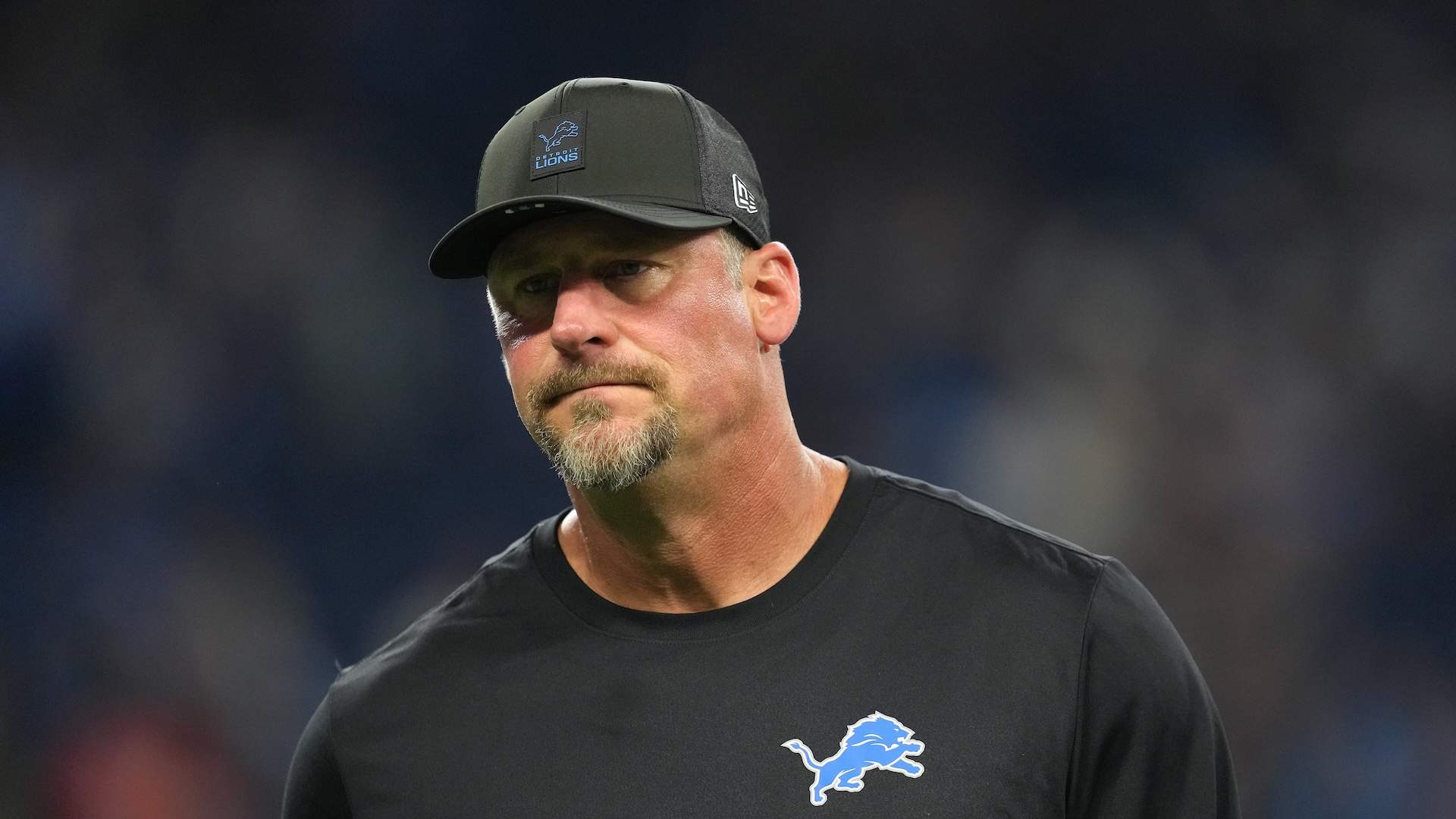
In conversations with reporters on Tuesday, Campbell emphasized that the team retains flexibility rather than a fixed plan to chase a major deal. “I don’t see that,” he said. “I would say this, though, it gives us options. Whether that be our own guys or — it just gives us flexibility. There’s a lot that can happen.” The Lions, he noted, will consider every avenue to strengthen the roster, but no single move is guaranteed.
The Lions opened the season with a victory, but it wasn’t without alarm on the defensive side. After Week 1, analysts and observers highlighted the secondary as a primary area of concern. Detroit allowed the Saints to rack up 410 passing yards, including a 325-yard outbreak in the second half and overtime, despite defensive schemes designed to limit New Orleans’ aerial attack. The comeback bid from the Saints forced Detroit to rally from a 21-0 deficit, and the game’s outcome was decided in overtime.
Discussions about Detroit’s pass defense intensified in the lead-up to a Thursday night showdown with the Buffalo Bills. ESPN’s Ben Solak identified the secondary as a potential Achilles’ heel for the Lions, noting the absence of key players and the need for greater depth and speed at cornerback. The concern centers on whether the defense can withstand a more dynamic and precise passing attack from a top-tier quarterback with a well-rounded receiving corps.
Among the potential routes to shore up the unit, veteran cornerback additions have been a focal point. Joey Porter Jr. is frequently cited as a fit for Detroit’s defensive style, especially given the Lions’ history under Campbell of deploying robust man-to-man coverage. Porter’s proficiency in that scheme could translate to immediate benefits, particularly if he can elevate the team’s boundary play and speed on the perimeter.
However, the price tag for Porter is steep. Projections place his market value well into the seven-figure range, with estimates around $70 million over a three-year contract once he hits free agency. That kind of financial commitment, paired with a potentially high draft pick to acquire him, would be a significant investment for a defense still adjusting to life without certain veteran contributors.
Detroit has taken steps to improve its cap situation, reshaping contracts to maximize available space. This includes restructuring deals to free up additional room, a move that signals a readiness to pursue meaningful upgrades if they align with the team’s long-term plans. The front office must weigh the short-term impact of an expensive addition against the potential for durable, scalable improvement across multiple positions.
Part of Detroit’s strategic calculus also involves assessing internal options. The Lions have a history of developing talent within their defensive backfield, and there may be opportunities to cultivate depth from within the existing roster. Balancing the push for a proven starter with the development of younger players could be a prudent approach, especially given the unpredictability of trades and the long-term salary implications.
Beyond personnel, Campbell’s comments underscore a broader philosophy: resilience and adaptability. The team remains open to evolving the lineup as the season unfolds, recognizing that injuries, performance trends, and opposing offenses will shape the best path forward. The Lions’ aim is clear—contend for the NFC North title and return to the postseason after a year spent outside the playoffs. That objective requires a defense that can consistently slow high-powered passing attacks, especially once the schedule intensifies.
Looking ahead, Detroit’s success may hinge on how effectively it translates depth and speed on the back end into tangible results on game days. If the team can marry a high-velocity corner rotation with disciplined zone and man-match schemes, it could reduce explosive plays and increase pressure on quarterbacks. The balance between press-man coverage and zone looks, particularly in nickel and dime packages, will be crucial as the defense adapts to faster, more accurate offenses.
The coming weeks will reveal whether Detroit pursues a high-profile addition or opts to strengthen the roster through depth and development. Either path requires a clear plan, consistent execution, and the ability to adjust to opponents who increasingly attack weaknesses in coverages. As the Lions navigate the season, the focus remains on creating a defense that can keep pace with a rising NFC landscape, protecting leads, and helping the offense extend drives when needed.
In sum, the Lions are evaluating every option to upgrade a secondary that faced scrutiny early in the season. While a blockbuster trade is not off the table, the organization signals a measured approach, prioritizing long-term fits and strategic cap health. Fans will be watching how Detroit’s defense evolves in the coming weeks, with the potential for a meaningful impact either from within the current squad or through selective acquisitions that align with the team’s defensive identity.