What worked in Week 1
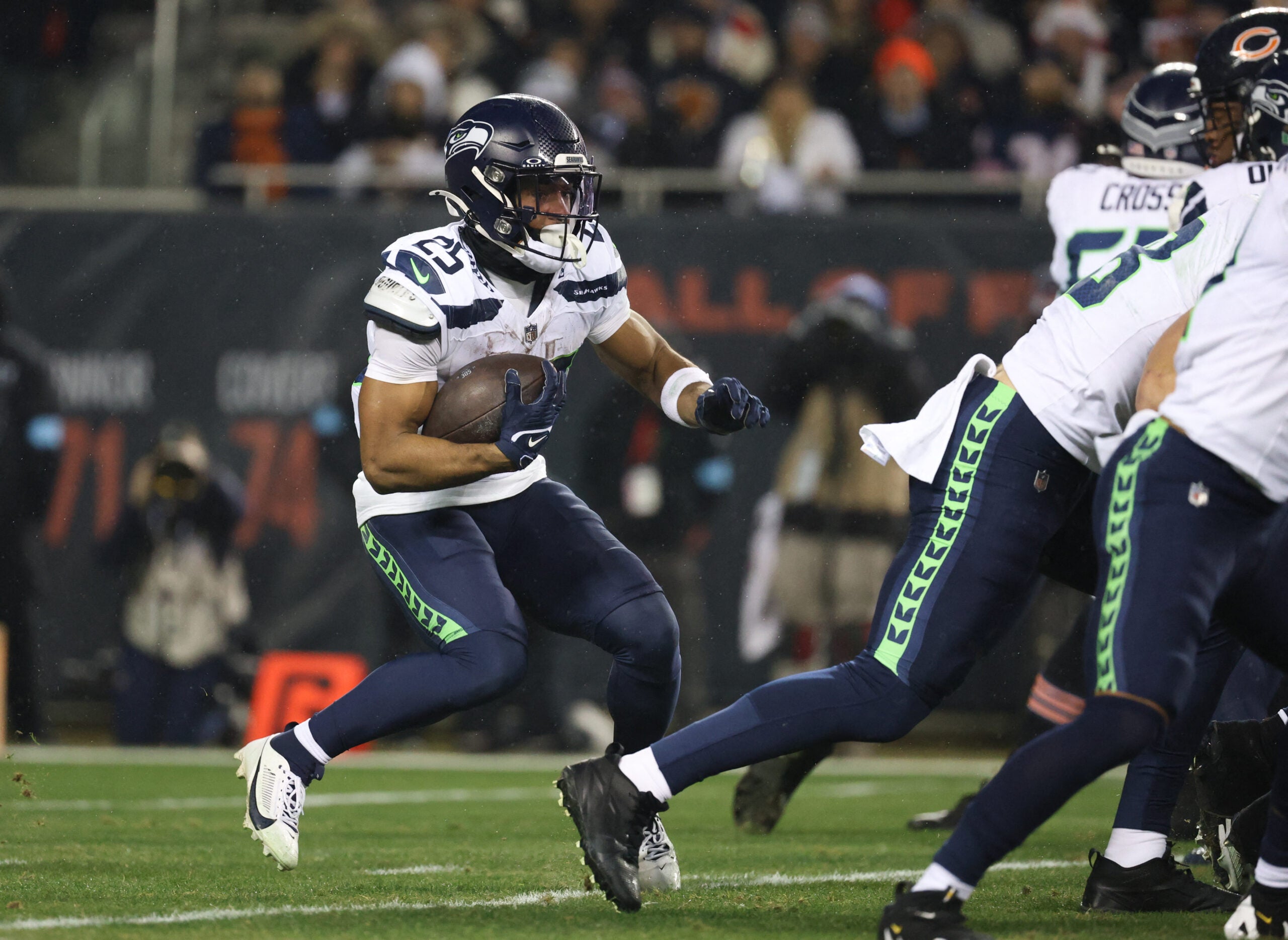
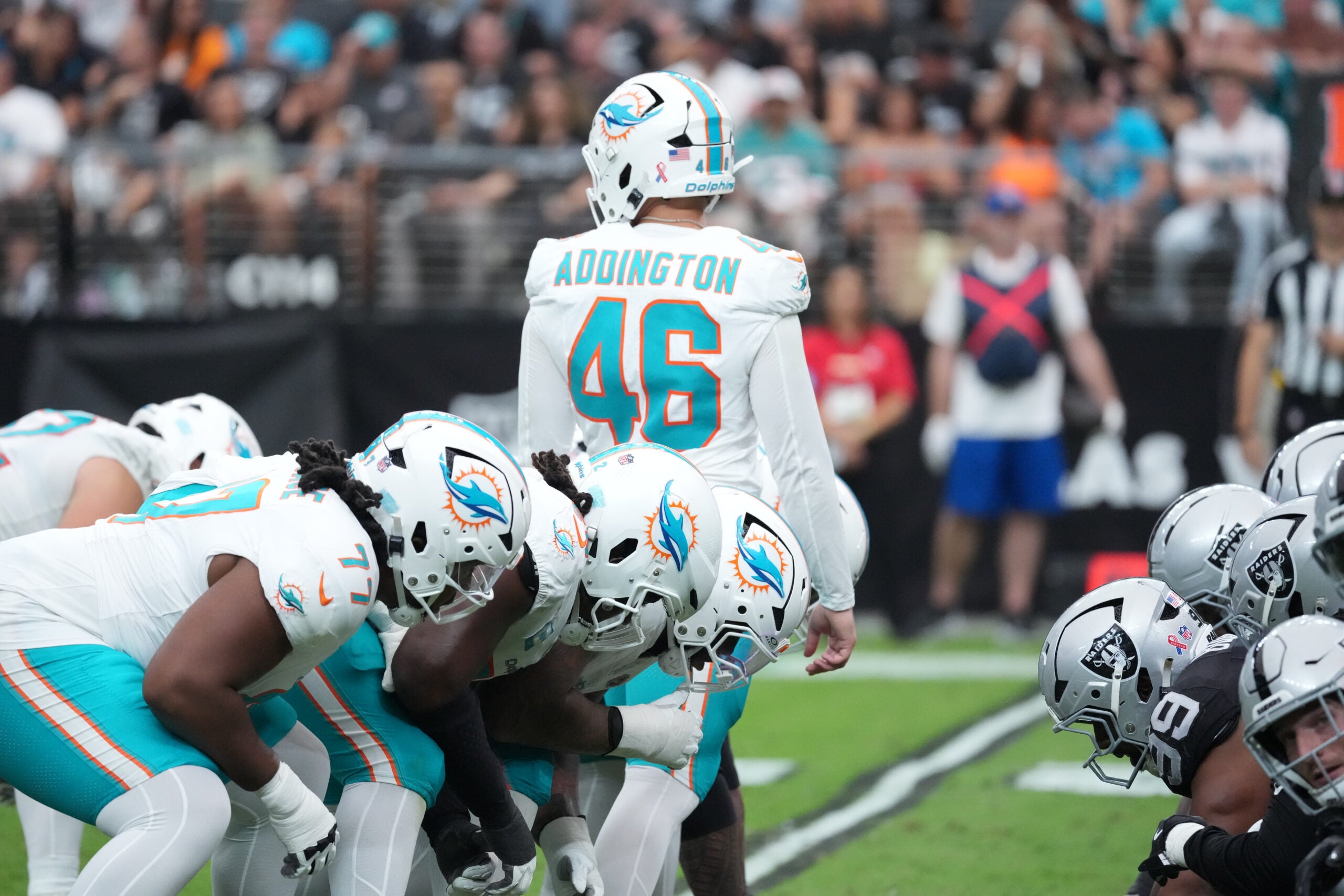
– Offensive spark and game plan execution: Las Vegas showed an ability to move the ball efficiently, particularly in the run game. The rushing attack provided balance and kept the Dolphins’ defense honest, allowing play-action concepts to open up downfield and in intermediate zones. Kirk Cousins, serving as the starting quarterback, managed the offense with precision, mixing runs and passes to keep the defense guessing. He didn’t post eye-popping yardage, but his tempo and decision-making helped the Raiders put up 27 points and sustain drives when it mattered most.
– Growth at quarterback and play-caller chemistry: The pairing of the new offensive system with a quarterback who can run the offense effectively appears to be paying dividends. While Cousins did throw a pair of interceptions, his command of the game and ability to operate the offense under center were clear positives. The Raiders appear capable of competing in most games with this setup, which marks a notable shift from recent seasons.
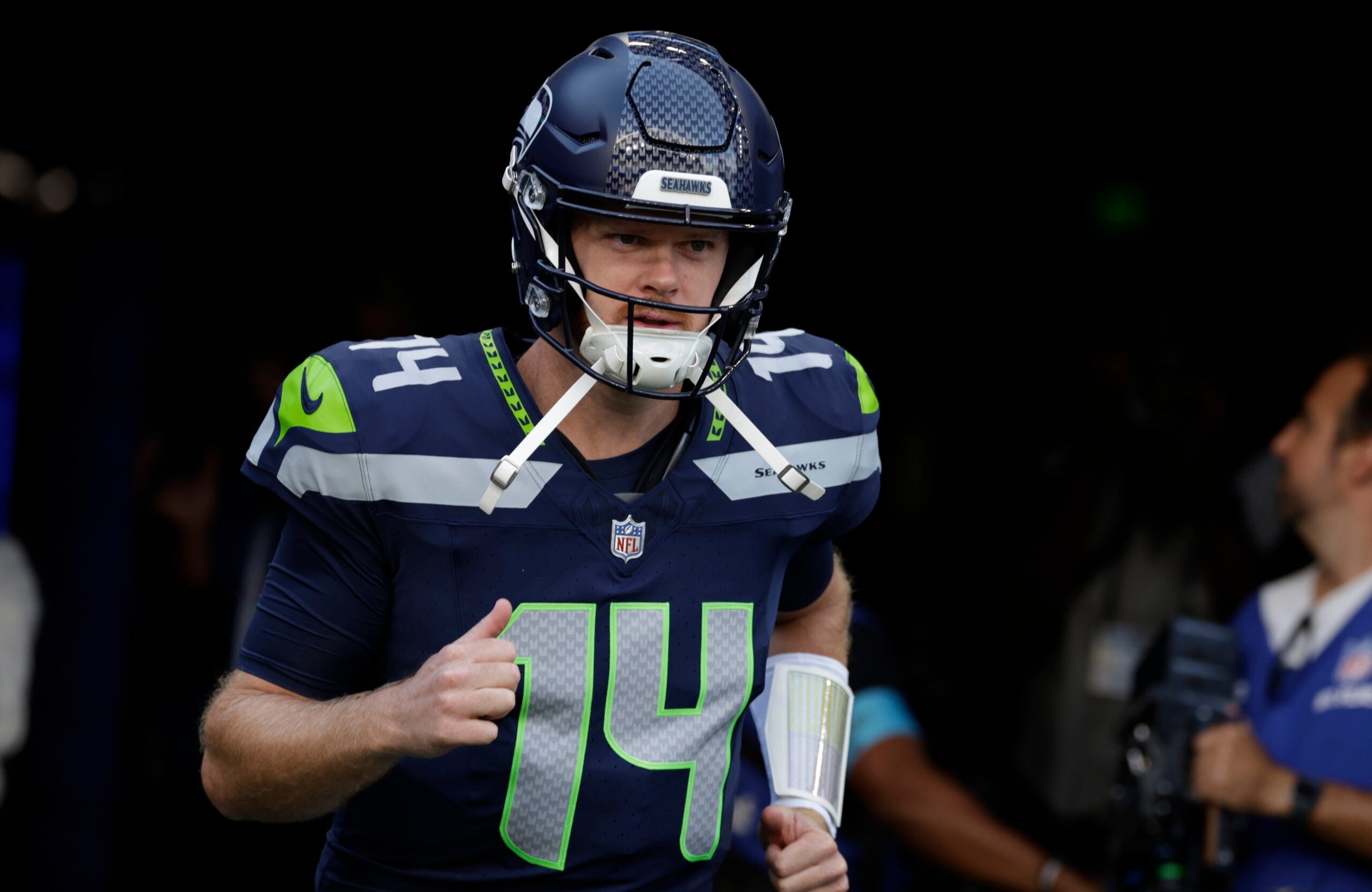
– Sideline leadership and future depth at quarterback: The organization appears to be building toward a longer-term plan that could include development behind the scenes. A young quarterback prospect showed notable preparation and engagement from the sideline, studying the play calls and absorbing the flow of the game through the wristband-based playbook. This level of preparation signals a strong work ethic and a willingness to learn from the sideline while waiting for a potential opportunity to contribute.
What the coaching staff is emphasizing
– Quick decision-making in the pocket: The team’s head coach and the quarterback coach have stressed the importance of getting the ball out rapidly, especially when pockets collapse. The NFL’s fast-moving pocket demands quick processing and release, and the coaching staff is prioritizing this as a core habit to reduce sacks and turnovers while maintaining offensive tempo.
– Mental reps and learning by observation: The plan appears to include heavy emphasis on cognitive preparation. By studying what the starting quarterback does well in real-game moments, the rookie and other backups can accelerate their learning curve. This approach helps the offense retain its rhythm even when personnel shifts occur.
– A flexible offense with room to grow: The offensive system is designed to adapt. If the rookies and backups can learn to read defenses quickly and execute with precision, the Raiders gain the flexibility to vary the pace, extend plays with play-action, and push the ball downfield when opportunities arise.
Longer-term implications for the Raiders
– Developmentary pathway for the quarterback depth chart: The organization seems intent on nurturing a quarterback who can eventually shoulder a larger workload. The sideline engagement by the rookie signals a commitment to building a strong mental foundation, which is essential for success at the NFL level. As the season unfolds, fans will be watching to see how this development translates into real-game reps and improved on-field performance.
– Balancing risk and reward in pass protection: While the run game provided a solid foundation, the passing game will need to sustain efficiency and reduce turnover. The coaching staff’s emphasis on quick releases and decisive reads will help manage pressure and keep the offense moving. If the quarterback improves in distributing the ball on time, the offense will have a clearer path to incremental gains in the passing game.
– Defensive identity and situational football: Although this discussion focuses on the offensive side, it’s worth noting that a well-rounded team requires resilience on defense as well. The early-season win suggests the Raiders can compete, but continued improvement in third-down defense, red-zone efficiency, and takeaway creation will be crucial as the schedule heats up.
What to monitor in upcoming games
– Quarterback development and consistency: Expect to see the coaching staff balancing the hands-on development of the young quarterback while ensuring the veteran starter remains a stable fixture for the offense. How quickly the rookie’s mental reps translate into actual gameplay will be a key storyline.
– Depth chart and rotation: As games progress, the Raiders will likely test different personnel groupings to maximize both the passing and running games. Watching how the offense adapts to injuries and game-by-game mismatches will reveal the team’s depth and strategic flexibility.
– Offensive line performance: The success of the run game and the protection schemes hinges on line play. Monitoring how the offensive line sustains blocks in both run and pass protection will provide insight into the team’s overall trajectory.
In summary, the Raiders’ Week 1 showing demonstrates a promising baseline: a capable run game, a quarterback who can run the offense effectively, and a coaching staff committed to rapid decision-making and mental preparation. The presence of a talented young quarterback ready to learn from the sideline bodes well for the team’s long-term development. If this trajectory holds, Las Vegas could become more competitive in a tougher division, with a high ceiling for growth as the season progresses. Fans will be watching closely to see how the scheme evolves, how quickly the rookie earns more on-field opportunities, and how the defense adjusts to stronger offenses in the weeks ahead.