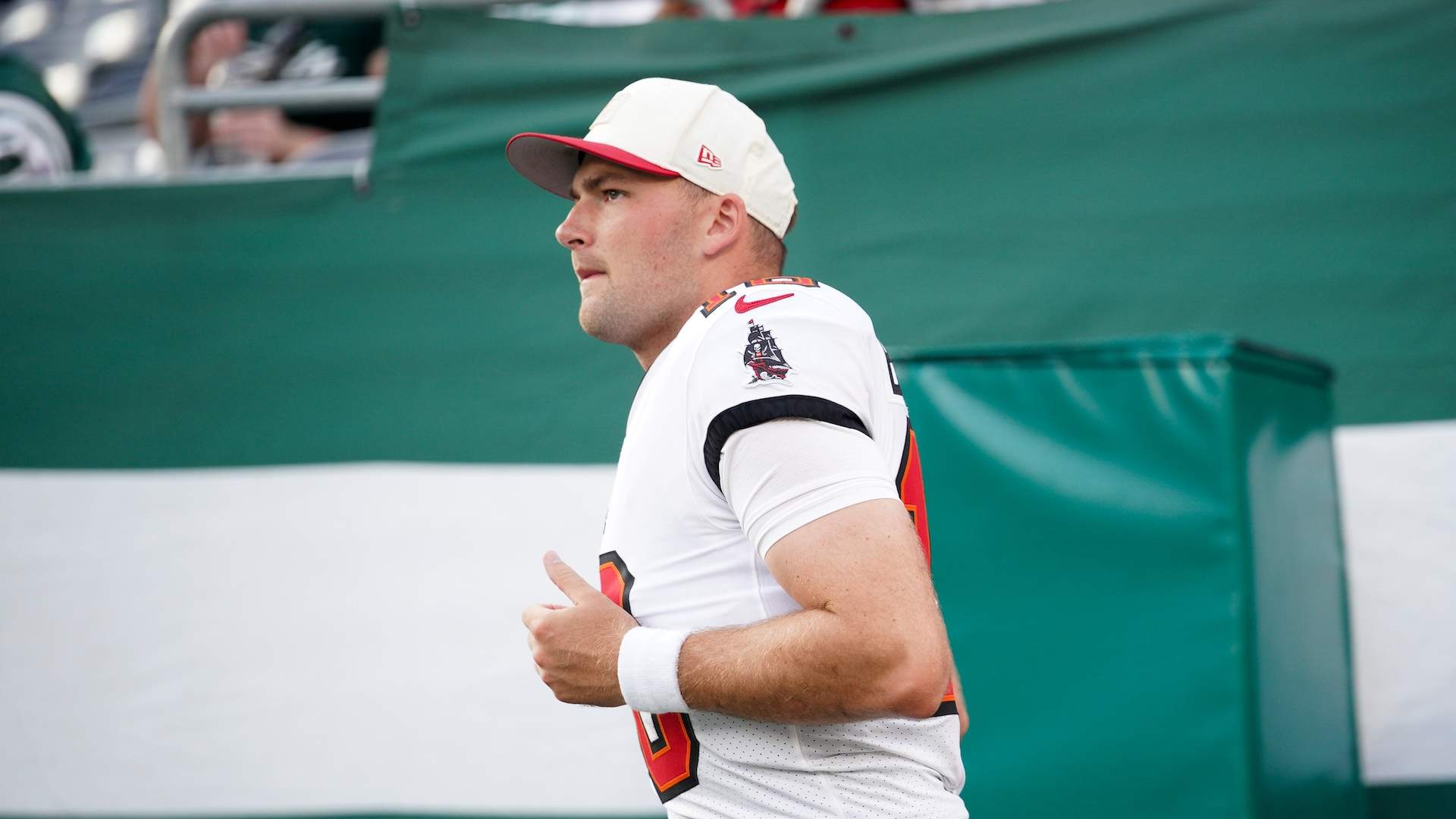
In his relief appearance, Wentz completed 12 of 19 pass attempts for 133 yards. Those numbers translate to a 66.3% completion rate, an average of 7.0 yards per attempt, and a passer rating of 123.5. He connected with teammates for three touchdowns, providing a decisive spark as the Vikings scored 22 points in the final period to erase a deficit.
Despite taking three sacks, Wentz did not turn the ball over, a crucial factor in sealing the late surge. With Murray sidelined, it’s reasonable to anticipate Wentz starting Week 2 against the Chicago Bears. If he can guide Minnesota to an undefeated start, questions about the quarterback depth chart will intensify within the organization and among fans.
Opinions on the quarterback situation remain mixed. Former Vikings receiver Cris Carter weighed in, arguing that Murray should remain the starter once healthy. Carter pointed to Wentz’s modest stat line in the early portion of the game, noting that Jefferson had a standout performance after a relatively quiet offseason, with two touchdown catches in the first week. Carter emphasized the importance of creating opportunities for big plays, highlighting the team’s ability to get Murray into open space when he was the primary signal-caller.
Carter also praised the Vikings’ defense for creating turnovers and establishing favorable field position, which helped swing momentum in a tense contest. He highlighted how defensive stops and generated possessions played a pivotal role in revitalizing the crowd and giving the offense manageable starting points.
Analysts, however, present a different view. CBS Sports analyst Leger Douzable offered a contrasting take on the quarterback equation. He pointed out that Murray has missed a significant amount of game time recently—29 games over the last five seasons—which translates to a risk of re-injury upon return. Douzable suggested that if Wentz continues to win, Minnesota may keep him in the starting role longer than initially anticipated.
Douzable also argued that Wentz runs the Vikings’ offense more effectively than Murray and expressed doubt about whether Murray fits the system as well. His assessment centers on Wentz’s consistency and leadership in the current version of Minnesota’s attack, which has shown a noticeable energy boost with the veteran quarterback at the helm.
Beyond the quarterback conversation, the broader discussion includes how the coaching staff and medical team will manage Murray’s return. A concussion protocol process will guide his timeline, with the primary goal of ensuring a safe and complete recovery before resuming on-field duties. In the meantime, Wentz’s performance provides the Vikings with a viable bridge option, especially in high-pressure moments where precision and decision-making are critical.
Looking ahead, Week 2 presents a straightforward test with the Bears. The Vikings will aim to replicate the late-quarter surge that defined the Week 1 win, while also preserving Murray’s health and readiness for a potential return. For fans and analysts alike, the unfolding dynamic at quarterback will be a focal point, shaping discussions about team identity, offensive philosophy, and the long-term plan at the position.
In summary, Murray’s concussion has triggered a pivotal moment for Minnesota. Wentz stepped in with a strong performance, helping the team rally in the fourth quarter and secure the win. As Murray works through the concussion protocol, the Vikings face ongoing questions about the optimal quarterback arrangement. With the defense contributing turnovers and elevated late-game urgency, Minnesota has a solid foundation to navigate the early portion of the season while determining the best path forward at quarterback.