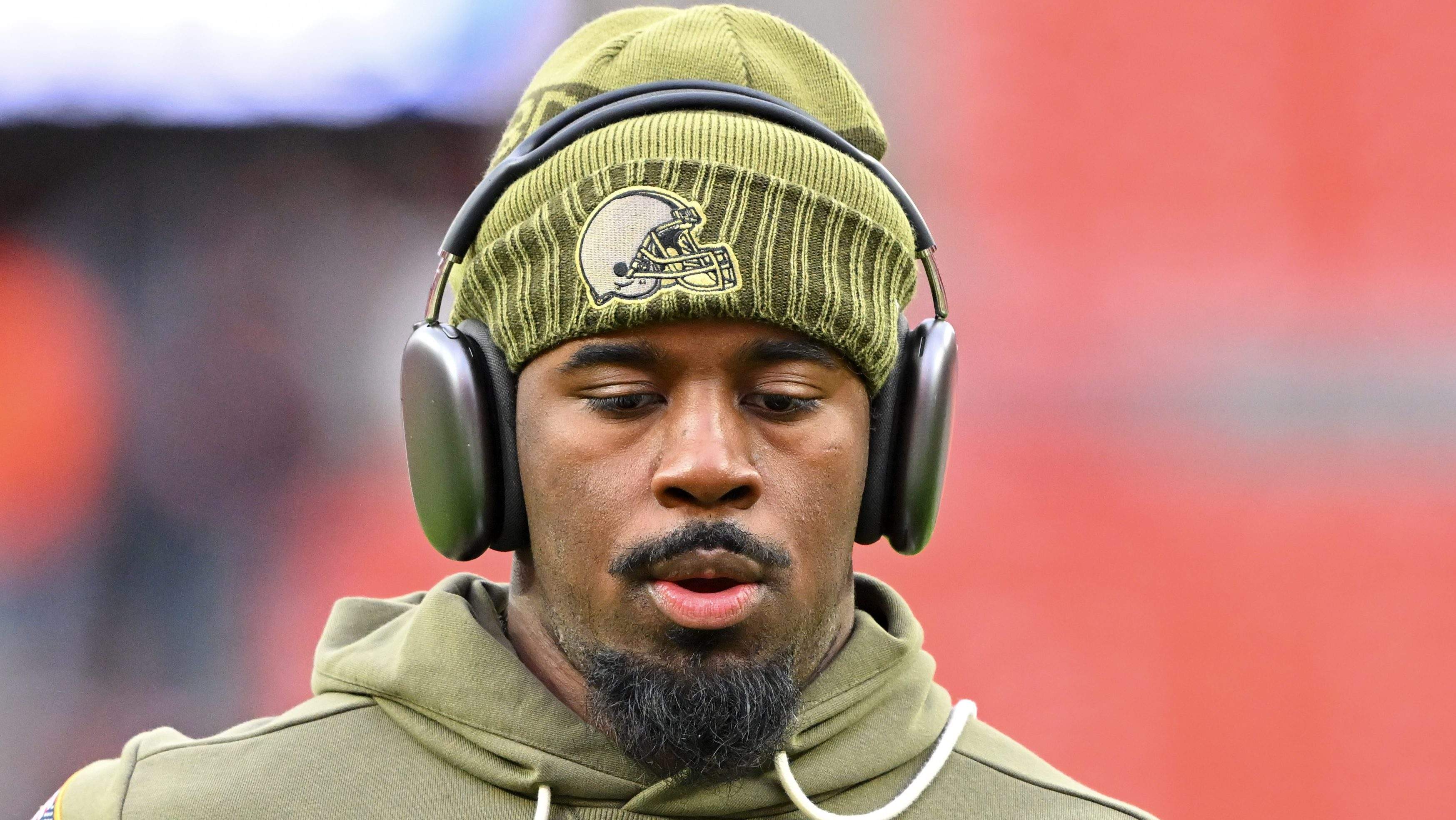
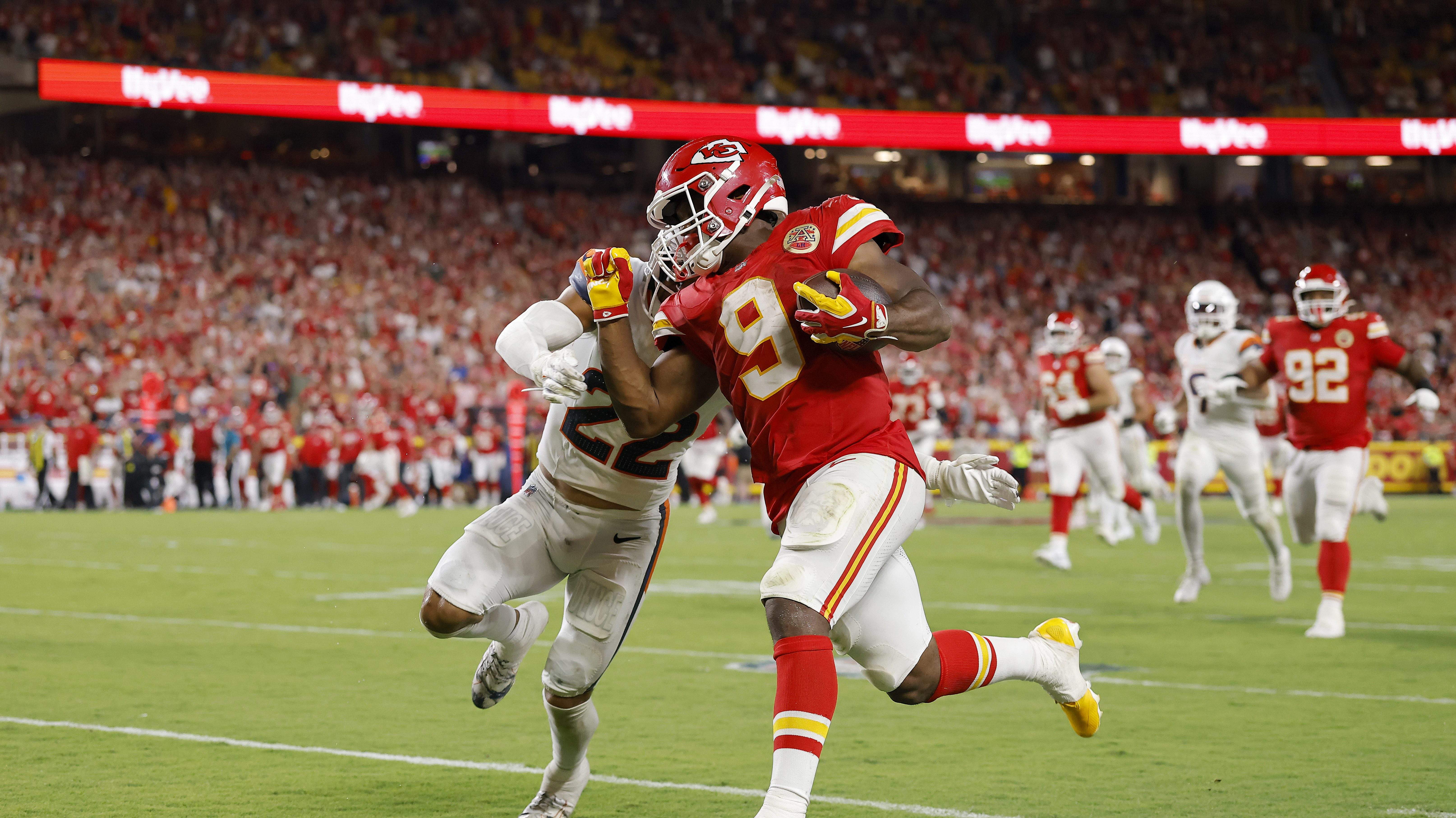
Reports emerged that Minnesota is “in the mix” for Porter, while Detroit is viewed as the front-runner to land him. The proposed trade discussions center on Porter as a potential upgrade to Minnesota’s secondary, especially given the team’s aggressive defensive approach under coordinator Brian Flores, which often involves frequent blitzes and heavy emphasis on playmaking in the pass game.
Porter sat out Pittsburgh’s Week 1 win due to a back issue, a move some observers tied to his ongoing contract negotiations rather than an outright injury concern. If Porter lands in Minnesota, he would join a cornerback room that has been willing to take calculated risks in coverage, aiming to generate turnovers and disrupt opposing pass games. Porter’s skill set as a lockdown man-to-man defender could complement the Vikings’ defensive scheme, potentially allowing the unit to mitigate risk by leveraging elite coverage on the outside.
Nevertheless, questions remain about the financial implications of such a move. Porter is projected to command a substantial contract, with market analyses pegging his value at around $70 million over a three-year span. Minnesota currently has limited cap space, roughly around $7 million, which means absorbing Porter’s contract this season would be feasible but the long-term investment would require careful consideration, especially if the team envisions pursuing quarterback upgrades in the near term.
The Vikings’ quarterback situation also factors into any decision regarding Porter. With the team facing uncertainty at the quarterback position, including a young signal-caller on the depth chart and the broader question of future QB plans, asset allocation becomes a critical consideration. If Minnesota were to trade draft capital for Porter, questions would arise about whether the organization would allocate those resources toward a defensive star in the short term or pursue a longer-term QB solution that could shape the franchise for years to come.
Another layer to consider is how a Porter acquisition would fit within the Vikings’ broader roster-building strategy. The team has displayed a willingness to commit resources on defense when the opportunity aligns with their long-term goals, but the potential price tag and the impact on future drafts could influence whether such a move makes strategic sense.
For fans and analysts weighing the potential trade, the central tension is clear: Porter’s high-ceiling talent on the perimeter versus the cost of acquiring him and committing to a multi-year deal that could affect the club’s flexibility in future seasons. If the Vikings were to proceed, they would be betting on Porter becoming a cornerstone of a revamped secondary, enabling more aggressive pressure packages and tough-nosed coverage against high-powered passing offenses.
In summary, Porter’s potential destination remains a hot topic in league chatter, with Detroit viewed by many as the most likely landing spot among contenders. Minnesota’s interest indicates the worth placed on a top-tier cornerback to amplify a defense already built to be disruptive. As negotiations unfold, teams will need to balance immediate defensive impact with long-term financial and strategic flexibility.