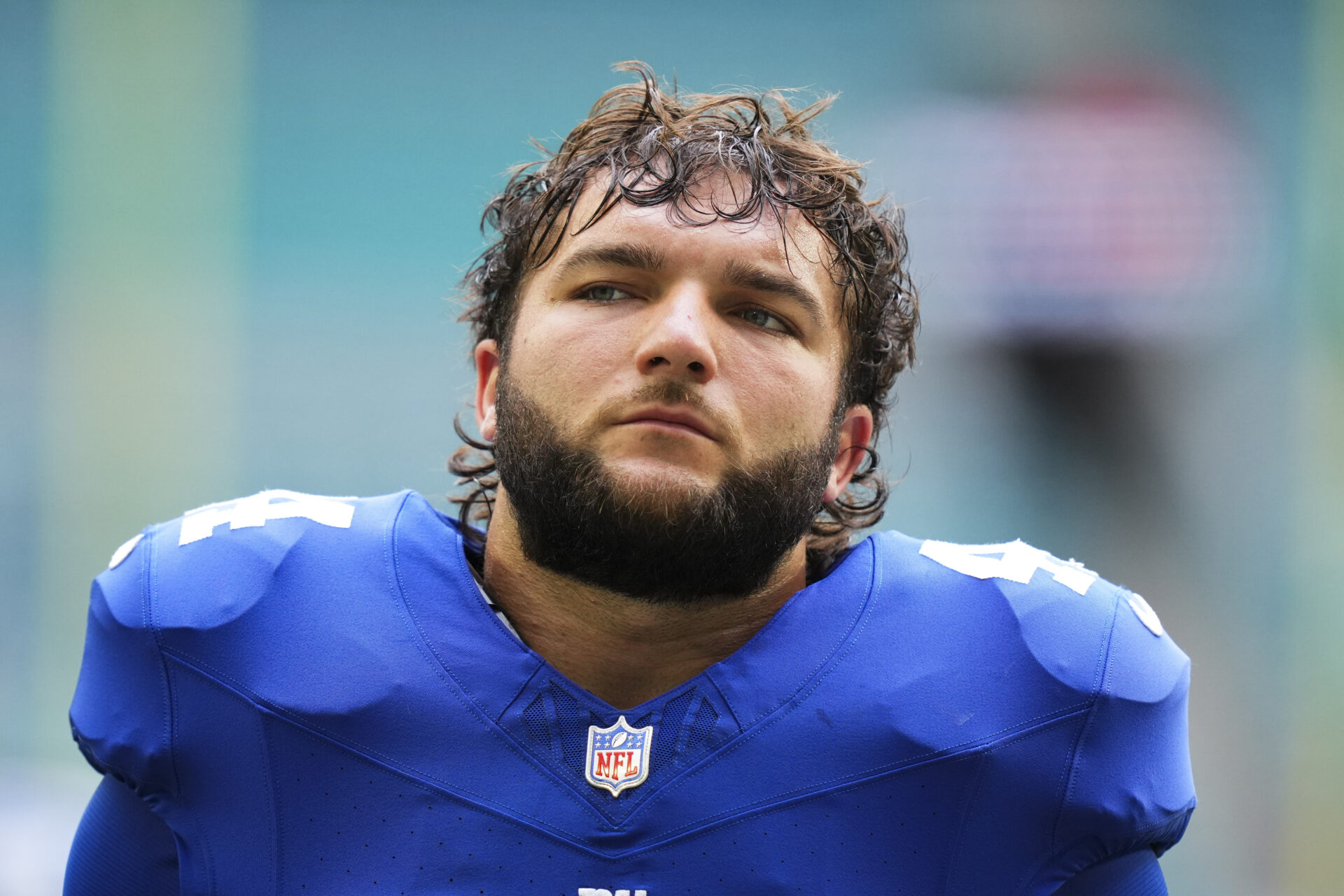
Kyle Pitts approached the 2025 NFL season with high expectations after what many considered the most pivotal year of his career. With the Atlanta Falcons, there were questions about whether he could consistently realize his potential. He answered in dramatic fashion with standout performances and several oversized showings that suggested a breakout was within reach for 2026.
However, the start of the season brought undeniable obstacles. In the first half of Week 1, the Falcons found themselves chasing a 13-7 deficit to the Pittsburgh Steelers, and Pitts had yet to record a reception. He entered the game healthy and active, but the production simply hadn’t followed early on.
Is Kyle Pitts Playing Today?
Yes, Pitts is in the lineup and available for the Falcons in Sunday’s game. The larger issue is not his status, but production: he had not been targeted in the passing game through the opening minutes. A quick glance at the first-half distribution shows a heavy emphasis on Bijan Robinson, who was targeted seven times out of 14 attempted passes. Drake London logged one reception for eight yards, while Olamide Zaccheaus secured a five-yard grab on his lone target. Jahan Dotson, meanwhile, did not record a catch on his two looks.
It wasn’t merely a Pitts problem; Atlanta’s passing game was spread thin in the early going.
Why Isn’t Kyle Pitts Producing?
The primary reason for Pitts’ early-season drought was quarterback play. Cooper Rush led the Falcons at quarterback in Week 1, and the offense struggled to find a rhythm through the air. When a backup or less-arduous game manager quarterback is under center, targets for big-play threats like Pitts can suffer, especially if the offense routes its attempts toward a reliable, game-changing option at running back.
In a scenario where a top young quarterback or a more dynamic play caller is available, Pitts might have seen more opportunities downfield. With injuries sidelining other potential passers—such as Tua Tagovailoa or Michael Penix Jr.—the Falcons have leaned on quicker, safer plays. Those options can limit the number of downfield targets for a tight end whose game is often rooted in pace and seam routes far from the box.
Another factor is the balance of the offense. Atlanta has an elite playmaker in Bijan Robinson, and early drives can emphasize quick, catch-and-run attempts that rely on the running back’s ability to create after the catch. In such a system, Pitts’ opportunities downfield may come later, as the defense adjusts and the line stabilizes, allowing more expansive passing concepts to develop.
What to Expect Going Forward
Pitts is a high-upside, talent-rich tight end whose value isn’t tied to a single game. As the Falcons settle into their offense and establish a more consistent passing approach, opportunities for Pitts should increase. If the team can maintain balance and design plays that exploit Pitts’ downfield skills, expect his targets to rise well above the early-week figures.
Of course, this all hinges on quarterback development, offensive line protection, and game rhythm. If the Falcons can find a healthier rhythm in Week 2 and beyond, Pitts has the two-way potential to become a major factor in Atlanta’s aerial attack, complementing Bijan Robinson and the other receivers with vertical threats and red-zone impact.
Bottom line: while Week 1 presented an early hurdle for Kyle Pitts, the bigger picture remains intact. The talent is there, and the coaching staff will likely adjust to maximize his strengths as the season progresses. Fans should monitor how the Falcons balance the passing game, expand Pitts’ involvement, and adapt to any changes in the quarterback situation to unlock the full potential of this dynamic tight end.