Offensive advantages and the front line focus
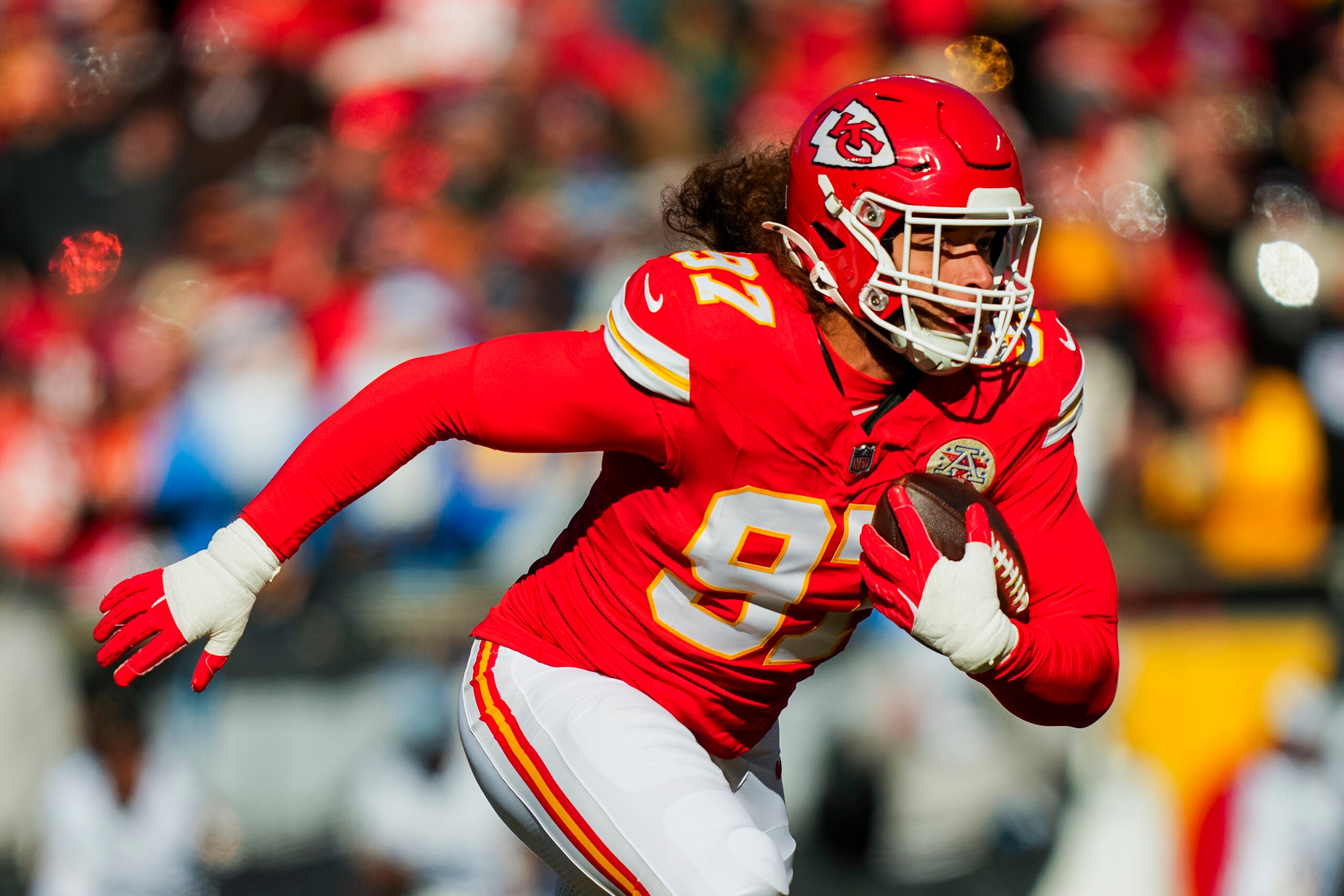
The Cowboys’ defense in 2025 struggled across the board, ranking near the bottom in expected points added (EPA) per play and per rush allowed, with pass defense also yielding poor EPA numbers. A new defensive coordinator was brought in, signaling a shift in approach, but a full turnaround often takes more than an off-season to materialize. For the Giants, the matchup is favorable up front, especially on the offensive line. The interior of Dallas’ defensive front presents a potential point of attack. Kenny Clark will anchor the interior for Dallas, with Quinnen Williams still a force to reckon with and Donovan Ezeiruaku contributing inside. Dallas also fortified the edge with Rashan Gary and the addition of Malachi Lawrence, plus veteran presence in Von Miller in a limited role. While the Cowboys managed a decent pass rush by the numbers last year, the interior push from New York’s blockers could tilt the balance in the Giants’ favor, particularly if the interior protection holds up against the inside pressure.
From the Giants’ perspective, the key is maximizing execution at the point of attack. If the Giants can win at the line of scrimmage and establish a steady run game, they can set up play-action opportunities and improve protection for their quarterback. The tackles should have a matchup edge against the Cowboys’ edge rushers, while the interior needs to handle Clark and Williams to keep the quarterback clean and create favorable running lanes for the backs.
Ground game as the blueprint
A central component of the Giants’ plan should be to establish the run early. A strong, physical start on the ground can set the tone, creating opportunities for play-action passes and exploiting matchup advantages in the passing game. The running back corps would benefit from emphasizing downhill runs, power concepts, and zone schemes that stretch the defense laterally before driving through interior gaps. If the Giants can impose their will at the line of scrimmage and sustain a physical rush, it will open seams and easier throws in the intermediate and middle parts of the field.
Defensive concerns and the secondary
The Cowboys invested in their secondary last season, adding safety depth and corner help, along with a first-round safety. The aim is to tighten coverage and limit explosive plays, especially over the middle. While the matchup includes a dynamic receiving corps for New York, the newly fortified Cowboys secondary should be able to contest routes more effectively than in the prior year. The Giants must be precise with route combinations, timing, and progression reads to move the ball and avoid turnover-prone sequences.
The X-factor: a young playmaker in the opponent’s ranks
In this clash, a notable potential swing player is a first-year contributor who has shown instinctive playmaking ability. If this rookie defender or a young nickel back can settle in quickly, they could influence the passing game by disrupting timing, pressuring targeted routes, and increasing the defense’s overall confidence. For the Giants, the challenge is to execute plays that put this defender in unfavorable spots—attacking the space in zone coverage, using crossing routes, and creating mismatches with skilled receiving options who can locate soft spots in the defense. The scouting profile indicates this player has elite speed, high processing speed, and the ability to close on plays in a flash. Early involvement and success could tilt the game toward the Cowboys, making it essential for the Giants to identify and exploit any early tendencies.
Giants’ path to victory
The fundamental path to victory is simple in theory: move the chains, control the clock, and keep the Cowboys’ offense off the field. By maintaining a physical identity at the line of scrimmage, the Giants can shorten the game, reduce Dallas’s live opportunities, and limit explosive plays through disciplined defense and red-zone efficiency. If New York can sustain a balanced attack—charging forward with productive runs while keeping the passing game efficient and methodical—the offense can function with fewer negative plays and better clock management.
Defensive plan and execution
Defensively, the Giants should emphasize gap control and disciplined containment against the edge, with a focus on limiting big plays and forcing Dallas into third-down situations. Communication in the secondary is vital to prevent mismatches and to handle any up-tempo adjustments the Cowboys may employ. Pressure from the outside should be used judiciously to avoid exposing gaps in coverage, while interior push, when paired with solid tackle discipline, can create a more favorable, third-down situation for the defense.
Coaching and preparation
The teams will both rely on extensive game-planning and pre-snap deception to gain a strategic edge. For the Giants, the emphasis remains on physicality, control of the line of scrimmage, and a ball-control offense that minimizes risky plays. For the Cowboys, the focus is on leveraging upgraded personnel in the secondary and maximizing pressure with a flexible, hybrid defensive front. Execution and discipline on both sides will be the deciding factors.
Bottom line
Week 1’s Sunday Night Football matchup offers the Giants a real shot at pulling an upset by leveraging their strength at the line of scrimmage, establishing a robust ground game, and executing a precise, gap-aware defense. The game’s tempo will likely hinge on how well the Giants control the clock and how effectively the Cowboys adapt to the early pace and physicality. If New York can impose its will on the ground and capitalize on misdirections and quick-hitting plays, they can keep the contest competitive and potentially pull off a surprise win to kick off the season.