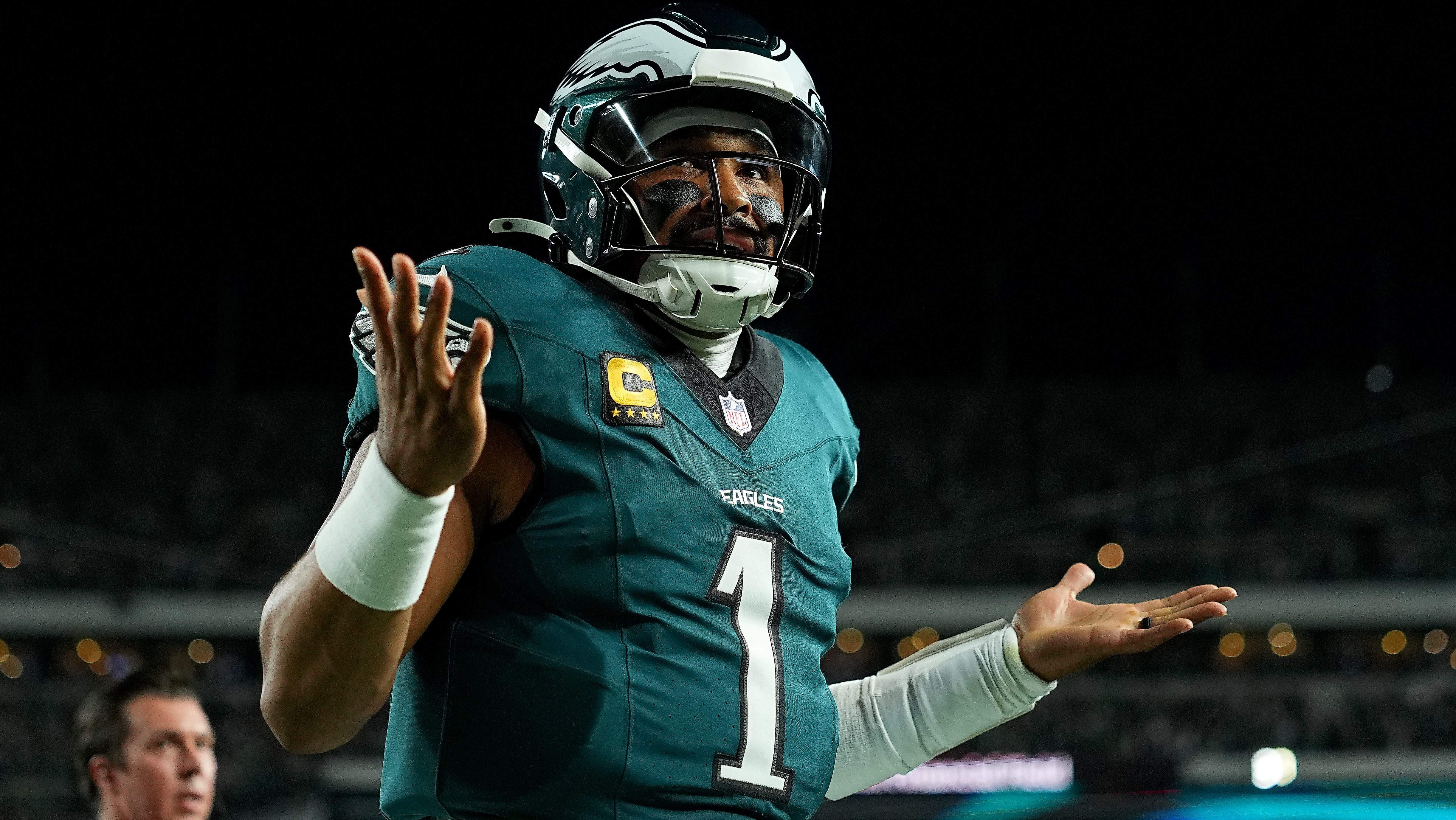
Hurts spoke candidly about adapting to the new setup during a recent media briefing. He emphasized the ongoing process of enhancing communication between quarterback and coach, noting that there is a “wall” to overcome when the play-caller sits upstairs. Yet he also highlighted the importance of maintaining an open line of dialogue. With Hurts operating in concert with the coaching staff, the team intends to keep a strong flow of information, using direct channels to relay observations and adjust on the fly.
The quarterback described his goal as breaking down barriers in communication and ensuring that what he sees on the field can be relayed quickly and clearly to Mannion. The dynamic now includes the possibility for Hurts to call or suggest adjustments, even from the booth, while maintaining a dialogue with the coaching staff through the designated communication lines. The red phone, a metaphorical reference to the primary line of communication between the field and the booth, remains a critical tool in ensuring rapid exchanges of ideas and adjustments.
This change comes with added expectations. The Eagles are widely regarded as a team capable of competing at a high level, and the 2024 season ended on a triumphant note with a Super Bowl victory, underscoring the capabilities of the roster and the potential for continued success. However, the follow-up campaign must address the consistency and efficiency of the offense, which faced scrutiny in certain phases of the previous year. Patullo’s tenure as OC, though brief, did not yield the desired offensive rhythm, and as a result, the organization is placing greater emphasis on refining the communication loop between Hurts and Mannion.
As the team prepares for a challenging schedule, the emphasis is on rebuilding a cohesive and adaptable offense. The coaching staff aims to optimize Hurts’ strengths—his decision-making, mobility, and mental fastness—while ensuring that play designs and progressions can be adjusted in real time to counter opposing defenses. The new arrangement in the booth is expected to allow for a broader, more strategic perspective during games, with the quarterback contributing actively to the conversation about reads, coverages, and matchup-based decisions.
Beyond the quarterback-coordinator dynamic, the Eagles must address several key areas to secure a strong season. Ongoing development in the passing game remains paramount, with an emphasis on rhythm routes, timing, and the utilization of a diversified receiving corps. A resilient rushing attack, effective play-action misdirections, and sound protection schemes will also be critical to sustaining drive efficiency and maintaining balance. The coaching staff’s ability to harmonize these elements with Mannion’s play-calling philosophy will play a pivotal role in the team’s offensive identity.
In the broader context, the Eagles’ leadership remains focused on building a system that can withstand the inevitable adjustments that come with a full-season slate. Hurts’ perspective on the process—centered on open communication and collaborative problem-solving—reflects a commitment to ensuring that the offense remains adaptable, responsive, and unpredictable in favorable ways for opponents. The dynamic of a quarterback who actively engages in the strategic conversation with the coordinator is a feature that could yield dividends as the season unfolds.
As preparations continue, fans and analysts will watch closely how the upstairs-downstairs collaboration translates into on-field performance. The goal is clear: to bounce back from any early-season stumbles, maximize the skill sets of the personnel, and execute a cohesive game plan that can pivot when needed. With Hurts and Mannion at the helm of this renewed approach, the Eagles aim to deliver an offense that is both efficient and explosive, capable of sustaining drives and producing points against a demanding schedule.
In summary, the introduction of Sean Mannion as Offensive Coordinator marks a new chapter for the Eagles’ offense. Jalen Hurts’ candid remarks about breaking down communication barriers and maintaining open dialogue highlight a collaborative approach designed to optimize on-field decision-making. The season ahead promises both challenges and opportunities as the team strives to translate preparation into sustained success, leveraging the new leadership structure to maximize performance across the offense.