According to the study, Mahomes earned the top spot as the NFL’s most loved player with a flawless Love Score of 10.0. Fans showered him with praise and enthusiasm, reflecting the quarterback’s sustained success, leadership, and high-profile status. Yet, in a striking balance, Mahomes also ranked as the third-most hated player in the league, registering a Hate Score of 8.97. This dual ranking illustrates a broader truth about Mahomes’ prominence: his performances generate immense attention and emotion, not only from his supporters but also from rival fans and critics.
The methodology of the analysis is notable for separating love and hate. This means a player can appear near the top of both lists, indicating that a high level of visibility and contention can coexist with widespread admiration. The NFL’s most visible names—especially its top quarterbacks—often evoke strong feelings on both ends of the spectrum. In Mahomes’ case, the overlap is pronounced: he dominates discussions and often becomes a lightning rod for opinions.
Among the findings, Mahomes stood out as the central figure in fan sentiment. He led in overall discussion volume, appearing in more Reddit comments than any other player analyzed. Specifically, he appeared in 11,031 Reddit comments, with about 63.6% of those comments categorized as positive. This combination—high engagement with a large positive share—speaks to his marketability, on-field success, and the public interest that surrounds him.
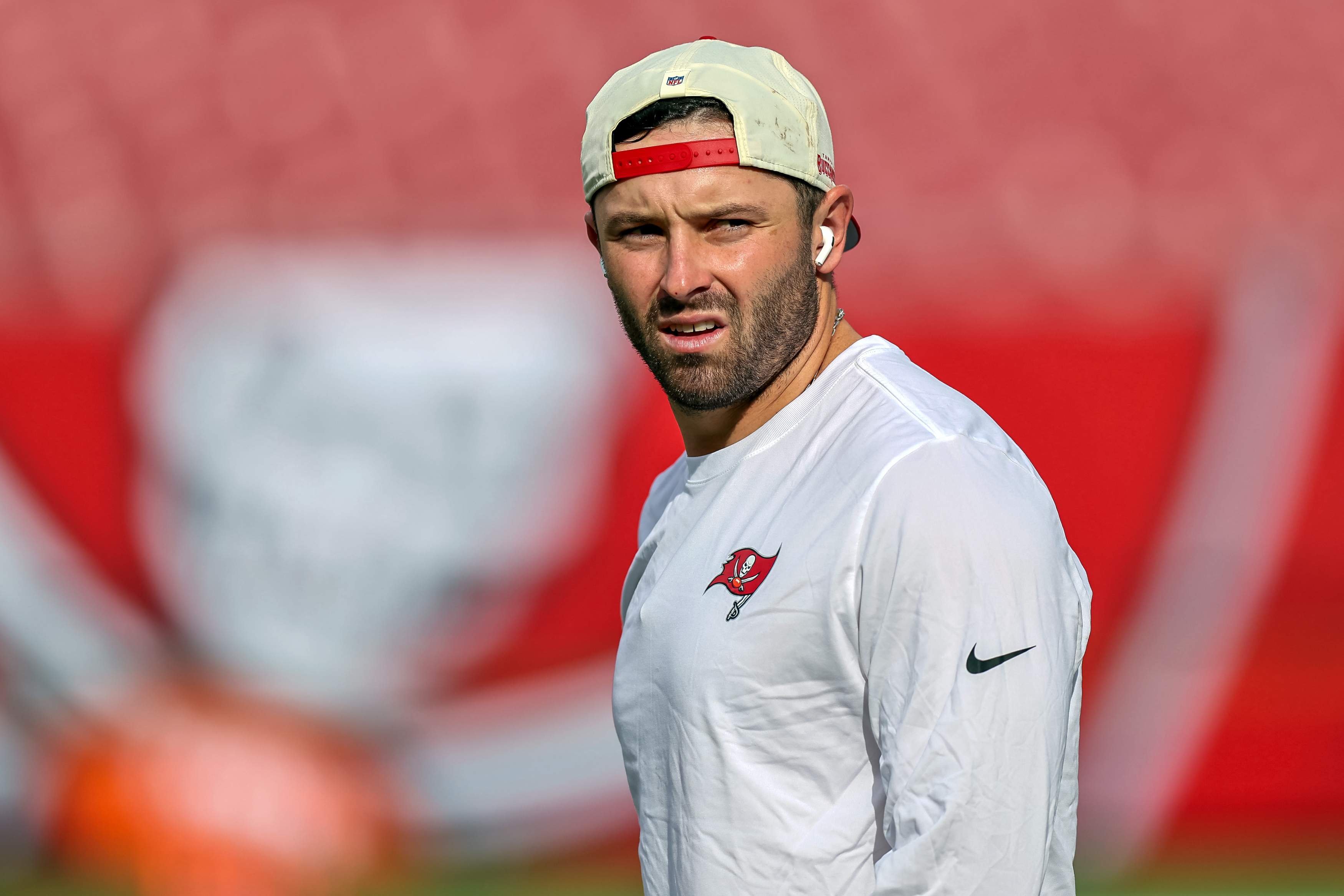
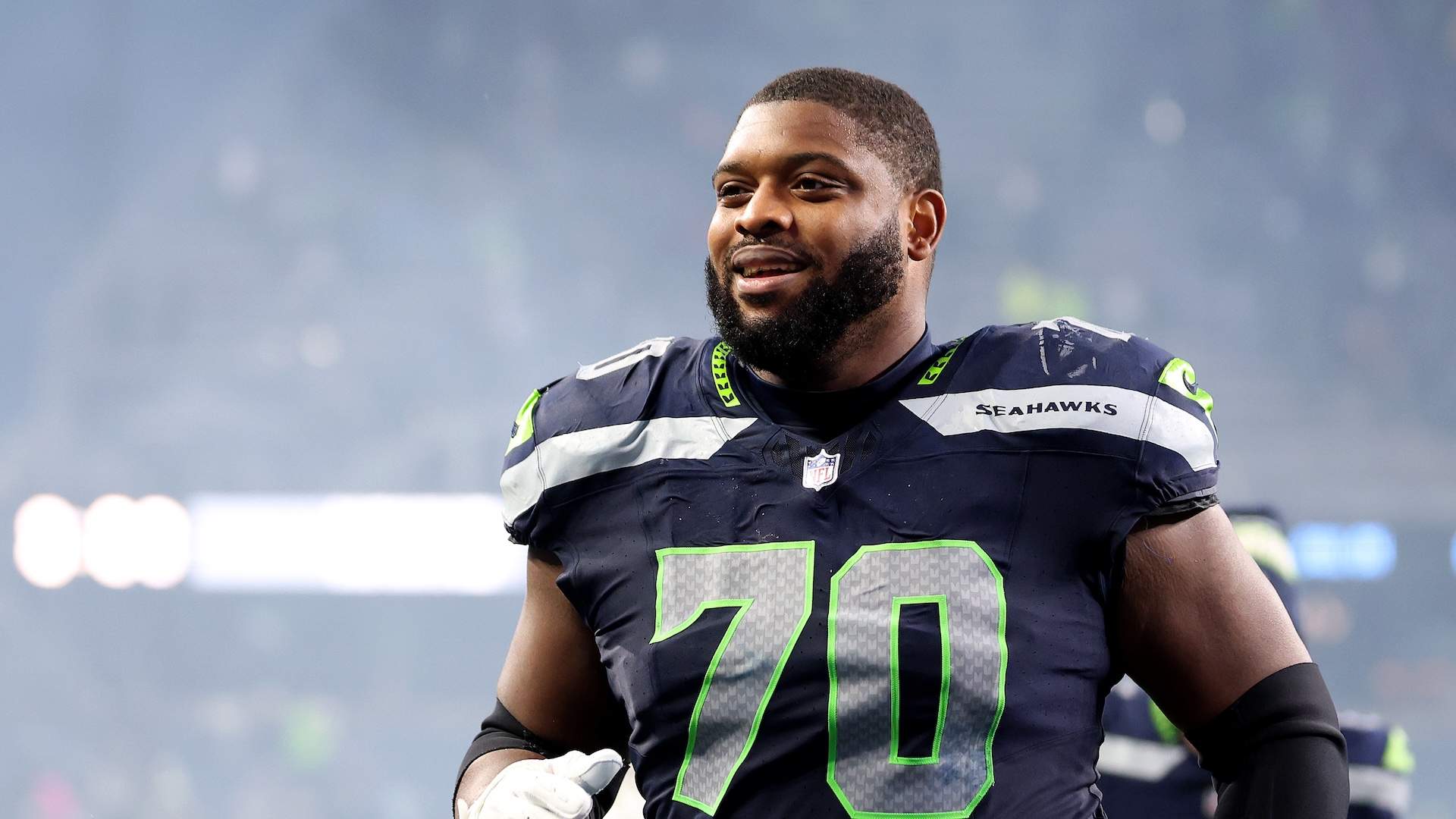
Close behind Mahomes in the love rankings were quarterbacks Jalen Hurts of the Philadelphia Eagles and Sam Darnold of the Seattle Seahawks, who tied for second with Love Scores of 9.10. The Los Angeles Rams’ Matthew Stafford was not far behind, ranking fourth with an 8.41 Love Score, followed by Joe Burrow of the Cincinnati Bengals at 8.27. The trend is clear: quarterbacks dominated the positive rankings, occupying eight of the top ten positions. Hurts drew 8,967 comments, while Burrow appeared in 6,836 discussions, underscoring how quarterback-centric narratives shape fan sentiment.
Yet the same spotlight that fuels Mahomes’ popularity also amplifies criticism. His high level of discussion and visibility were accompanied by a strong presence on the negative side of the ledger as well. The study shows a typical pattern for marquee players: large, sustained attention tends to produce a broad spectrum of reactions, with many fans voicing both unwavering support and pointed criticisms. The overlap between love and hate is particularly pronounced for Mahomes, who ranked No. 1 in love and No. 3 in hate. Hurts, too, figured prominently on both lists, finishing second in love and fourth in hate. Joe Burrow also appeared on both lists, ranking fifth in love and seventh in hate.
The analysis offers a broader interpretation of why quarterbacks, especially those who perform at the highest levels, generate such polarized conversations. Highly visible players naturally attract discussions from their own fan bases and from rival teams, press coverage, and social media scrutiny. Their actions on and off the field become talking points that extend well beyond game results, contributing to a dynamic and sometimes heated discourse surrounding the league’s most prominent stars.
In football news tied to his on-field recovery, Mahomes is preparing to return after an injury in the 2025 season. Kansas City finished 2025 with a 6-11 record, and the franchise is looking to rebound in 2026 with Mahomes back in the lineup. The Chiefs also made a significant offseason move by adding former Seattle Seahawks running back Kenneth Walker III on a three-year, $43 million contract. Walker offers Mahomes an additional weapon to help inject explosiveness into Kansas City’s offense and diversify the team’s approach to scoring.
Beyond the numbers and headlines, the story centers on a quarterback who remains at the center of American football culture. His blend of elite performance, high visibility, and polarizing reactions makes him a quintessential figure in modern sports discourse. As Mahomes trains and rehabilitates, fans and observers will likely continue to watch with anticipation: will his return reshape the Chiefs’ trajectory, and how will the public’s mixed sentiments evolve as the season unfolds?
In summary, the sentiment study showcases Patrick Mahomes as a paradoxical icon: the NFL’s most loved player and, at the same time, one of its most hated. This duality reflects not only his talent and achievements but also the intense emotions that dynamic stardom can generate in today’s hyperconnected sports culture. As the Kansas City Chiefs move forward with a refreshed supporting cast and a return to full strength, Mahomes’ influence on the game—and on fan conversations—remains undeniable.