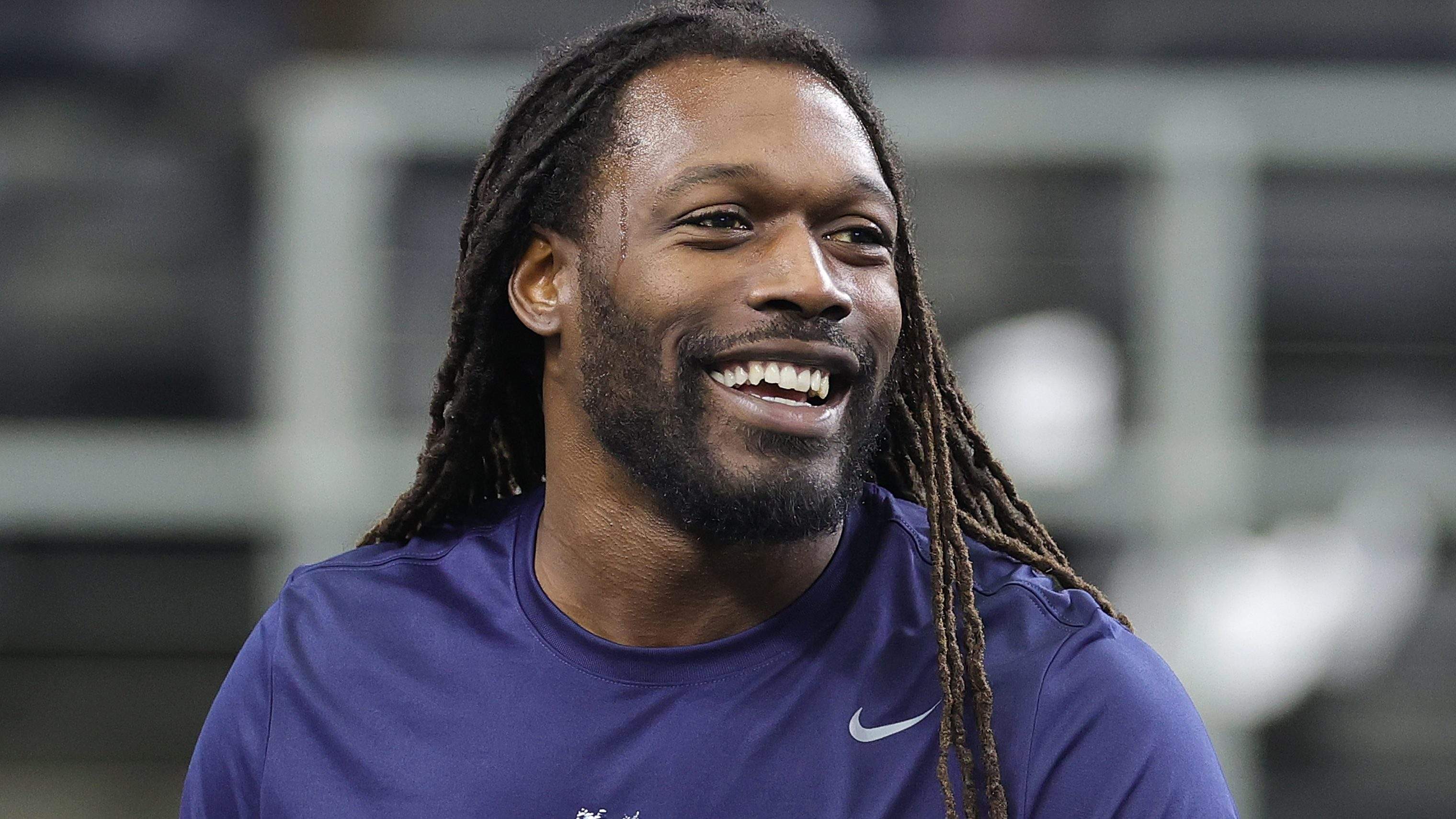
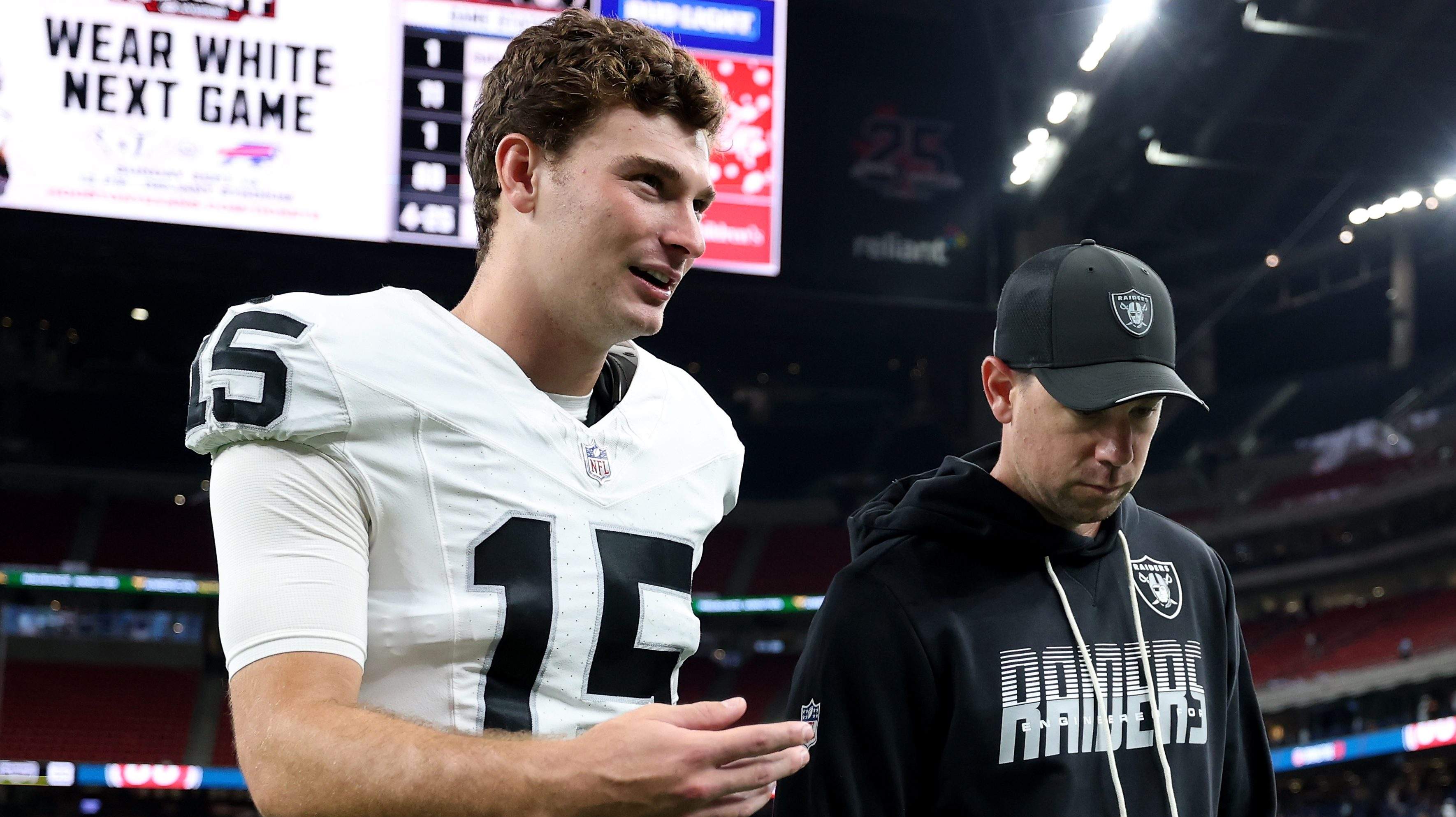
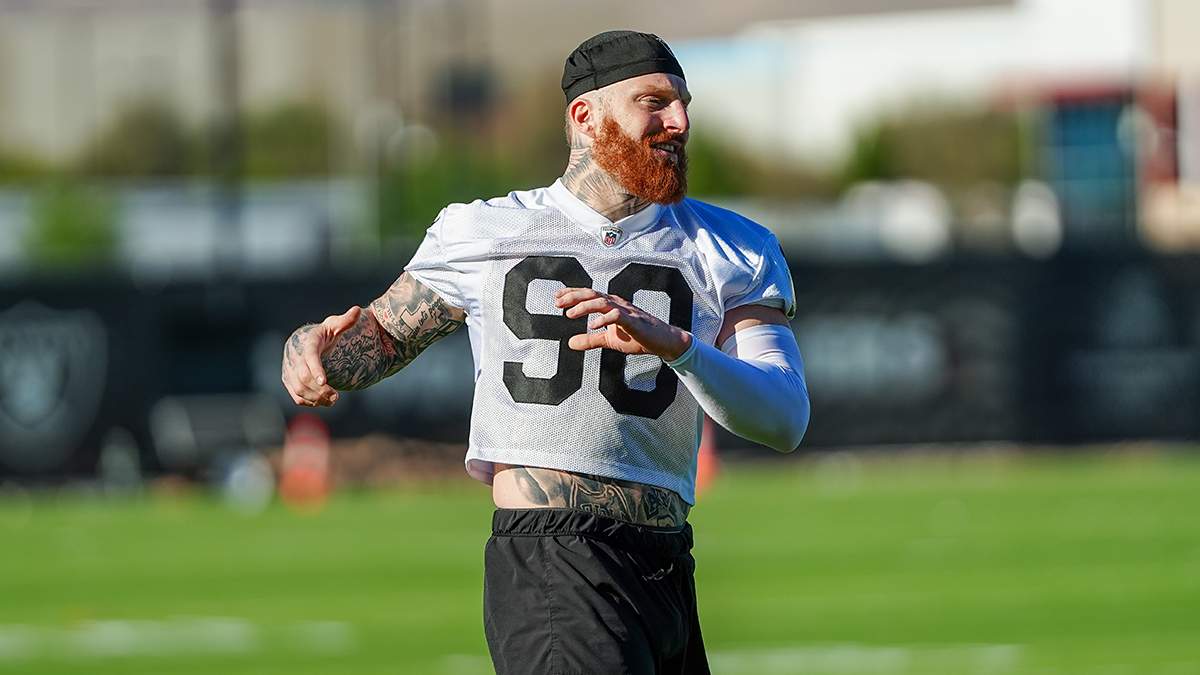
Washington is part of one of the NFL’s most versatile receiving groups, lined up with Brian Thomas Jr. and Jakobi Meyers. This trio gives Jacksonville a robust, multi-threat passing attack, ensuring that opportunities will appear for each receiver as the offense operates in diverse sets and sequences. The alliance among the three receivers, coupled with Lawrence’s development and precision, should allow Washington to continue creating separation and making plays across different routes and formations.
A notable topic this offseason was whether Washington would keep his return duties alongside his primary responsibilities as a pass catcher. The answer, as expressed by Washington in conversations with reporters, is straightforward: he is embracing the punt return role as a key component of his value to the team.
Washington’s efficiency as a punt returner has been evident in his NFL tenure. In 2024, he handled six punt returns for 144 yards, highlighted by a 96-yard touchdown—a play that underscored his burst, field vision, and ability to change the field position in an instant. The following season, he stepped up again, returning 25 punts for 341 yards, an average of 13.6 yards per return, with two returns reaching the end zone, including an 87-yard score. These numbers illustrate not only his big-play potential but also his reliability and decision-making under pressure in the punt-return game.
From a wide receiver perspective, Washington posted a strong season that demonstrated his capacity to contribute as a target and a ball carrier. He recorded a career-high 95 targets, catching 58 passes for 847 yards and five touchdowns. That production translated into an average of more than 52 receiving yards per game and over 14 yards per catch, illustrating his ability to stretch the field and gain significant yardage after the catch. Washington’s versatility makes him a valuable asset in a variety of offensive packages, as he can be deployed in multiple alignments and used to exploit mismatches in space.
The Jaguars have signaled confidence in Washington by incorporating him into several aspects of the offense beyond traditional receiving duties. While he did have a handful of rushing attempts in the previous season, those attempts were often the result of designed plays or improvised opportunities in the flow of the game. The key takeaway is that Washington’s skill set—speed, agility, sure hands, and competitive ball-tracking—gives the Jaguars flexibility to design plays that capitalize on his strengths, both as a receiver and as a punt returner.
Looking ahead, the potential impact of maintaining Washington’s return duties alongside his offensive role is clear. By keeping him as a constant threat in the return game, Jacksonville can better manage field position and provide Lawrence with more opportunities to work the short, intermediate, and deep parts of the field. If the Jaguars continue to emphasize getting Washington the ball in space, whether through designed screens, quick passes, or punt returns that create favorable field position, Washington’s overall contribution should remain substantial.
The broader context for Washington’s season is the ongoing pursuit of another strong year for the team. A repeat level of success will depend on sustaining efficiency across the passing game, maintaining a productive running game, and supporting special teams with high-leverage plays. Washington’s role as a reliable contributor who can flip field position on returns and rack up yards as a receiver positions him as a crucial piece of Jacksonville’s offensive architecture.
In sum, Parker Washington is embracing a dual-path role that maximizes his value to the Jaguars. He will continue to be a key playmaker through the air and a game-changing presence on punt returns. As the team seeks to build on last season’s success, Washington’s ability to impact the game in multiple ways should help him secure a central role in Jacksonville’s plans for another competitive year.