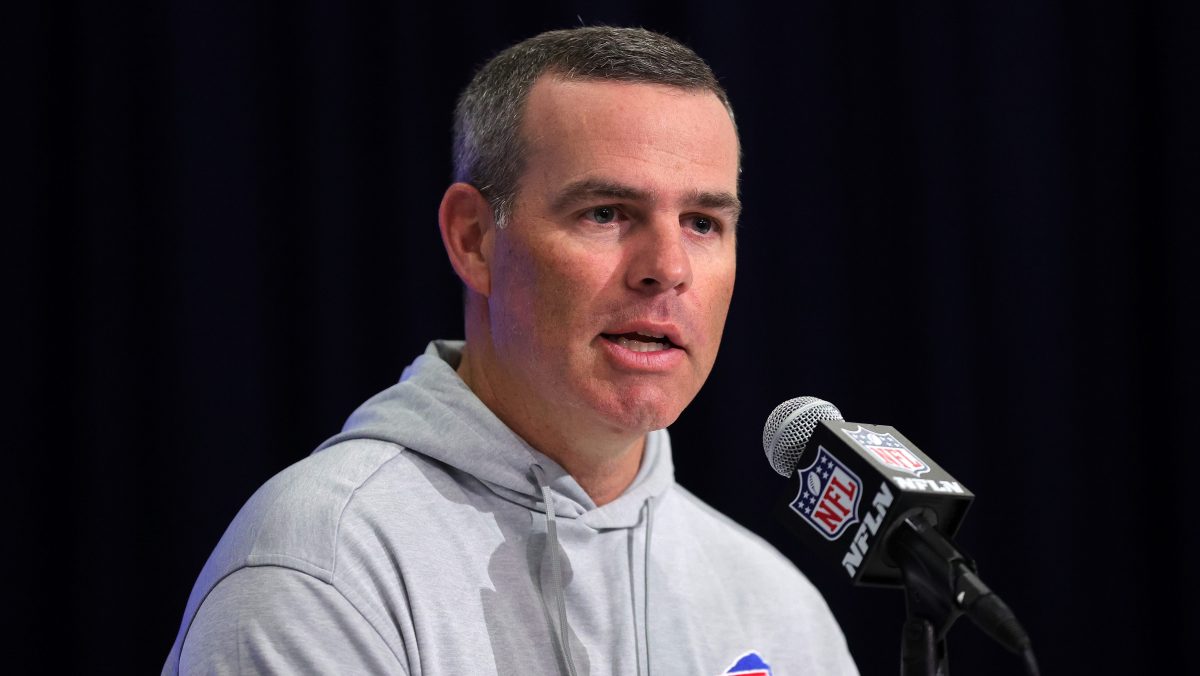
Harbaugh’s impact is evident in the early shaping of the Giants’ approach. Known for building teams that emphasize toughness, discipline, and physical play, Harbaugh has begun instilling a Ravens-inspired mindset in the Giants. His track record—particularly with teams that emphasize a strong ground game and stout defense—suggests a deliberate shift toward a more physical, run-first identity. This strategic reorientation aims to establish a foundation that can sustain success even when facing top-tier opponents.
A central facet of Harbaugh’s plan is a return to a bruising running game complemented by a relentless defense. To operationalize this, the Giants have prioritized reshaping the backfield and line play. The club brought in veteran offensive thinkers with deep experience in run-centric systems, as well as players who can execute heavy, physical blocking schemes. The objective is to create a frontline that can create space for ball carriers and impose a physical tempo on games, setting a tone that opponents must match.
On the offensive side, this approach relies on a mix of power-running concepts and zone-based designs that leverage overloaded fronts and pulling linemen to create running lanes. The aim is to control the clock, wear down defenses, and open play-action opportunities that can exploit aggressive defenses looking for big, physical fronts. The Giants have also invested in personnel upgrades to support this strategy, bringing in players whose profiles align with a smash-mouth style of play. The combination of bigger, more mobile blockers and sturdy backs provides Harbaugh with a versatile toolbox to adapt to different defensive schemes.
Defensively, Harbaugh’s blueprint centers on a sturdy, heavy-front approach designed to clog running lanes and generate pressure up the middle. By adding interior linemen with substantial size and strength and pairing them with versatile linebackers, the defense aims to be more disruptive at the point of attack. This setup seeks to neutralize dynamic rushing attacks and force offenses into more predictable passing situations, where disciplined execution and aggressive pursuit can pay dividends.
The matchup against the Dallas Cowboys represents a significant early test for the Giants. Dallas remains one of the league’s most dangerous offenses, led by a quarterback who can stretch the field vertically and distribute the ball to a pair of prolific receivers. The Cowboys’ passing game poses a challenge to any defense, particularly one still integrating new players and a revised scheme. Additionally, Dallas’ ground game, featuring a capable backfield, adds another layer of complexity for Harbaugh’s plan to control the game on the line of scrimmage.
For the Giants, success hinges on several factors working in concert. First, the offensive line must execute its run-blocking assignments with consistency to create opportunities for the backfield to establish momentum early. Second, the defense must establish its physical identity quickly, disrupting timing in the Cowboys’ passing game and limiting big play opportunities. Third, the coaching staff must balance aggressive play-calling with sound situational management to capitalize on opponents’ mistakes without overextending resources.
The Week 1 contest also serves as a critical gauge of how quickly the Giants can translate Harbaugh’s philosophies into tangible results. While the challenge is substantial, the early signs point toward a team that is eager to play with greater physicality and discipline. If Harbaugh’s players buy into the system and execute with heightened intensity, the Giants could begin to shift the perceived balance of power within the division.
Beyond the immediate game, Harbaugh’s influence is expected to extend into daily practice habits, film study, and in-game adjustments. His experience coaching at the highest levels and his proven success in building durable, competitive units provide a blueprint for restoring confidence and consistency across the roster. For fans and analysts alike, the early returns suggest a team that is taking concrete steps toward a more imposing, resilient brand of football.
As the season unfolds, the Giants’ progress will be measured by how well the offense can sustain drives, how efficiently the defense can pressure and stop high-powered offenses, and how quickly players adapt to the disciplined, physically demanding style Harbaugh champions. The Week 1 game against the Cowboys will serve as a pivotal early indicator of whether the new approach can translate into meaningful wins and a renewed sense of identity for a franchise eager to re-establish itself as a force in the NFC East.