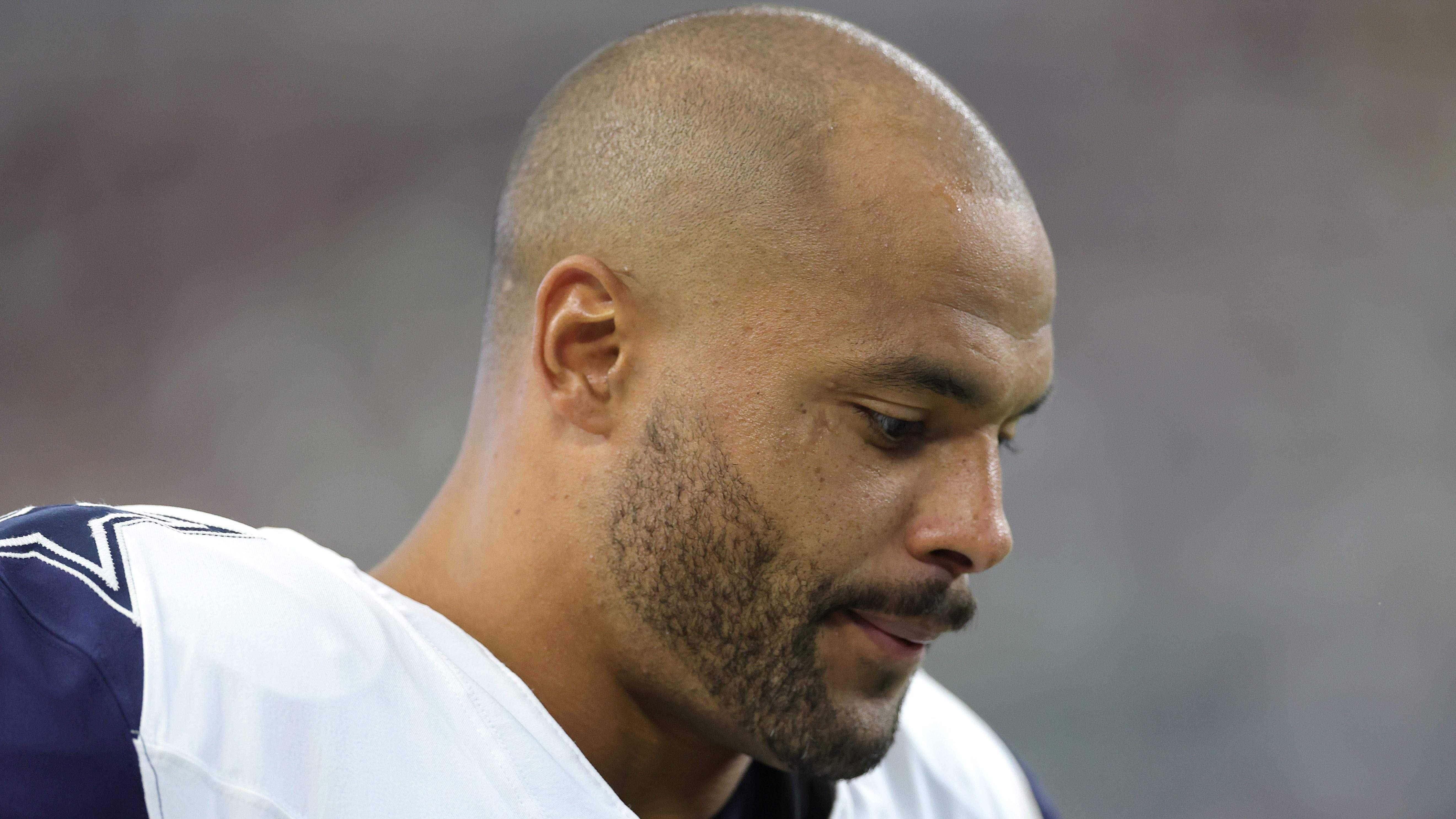
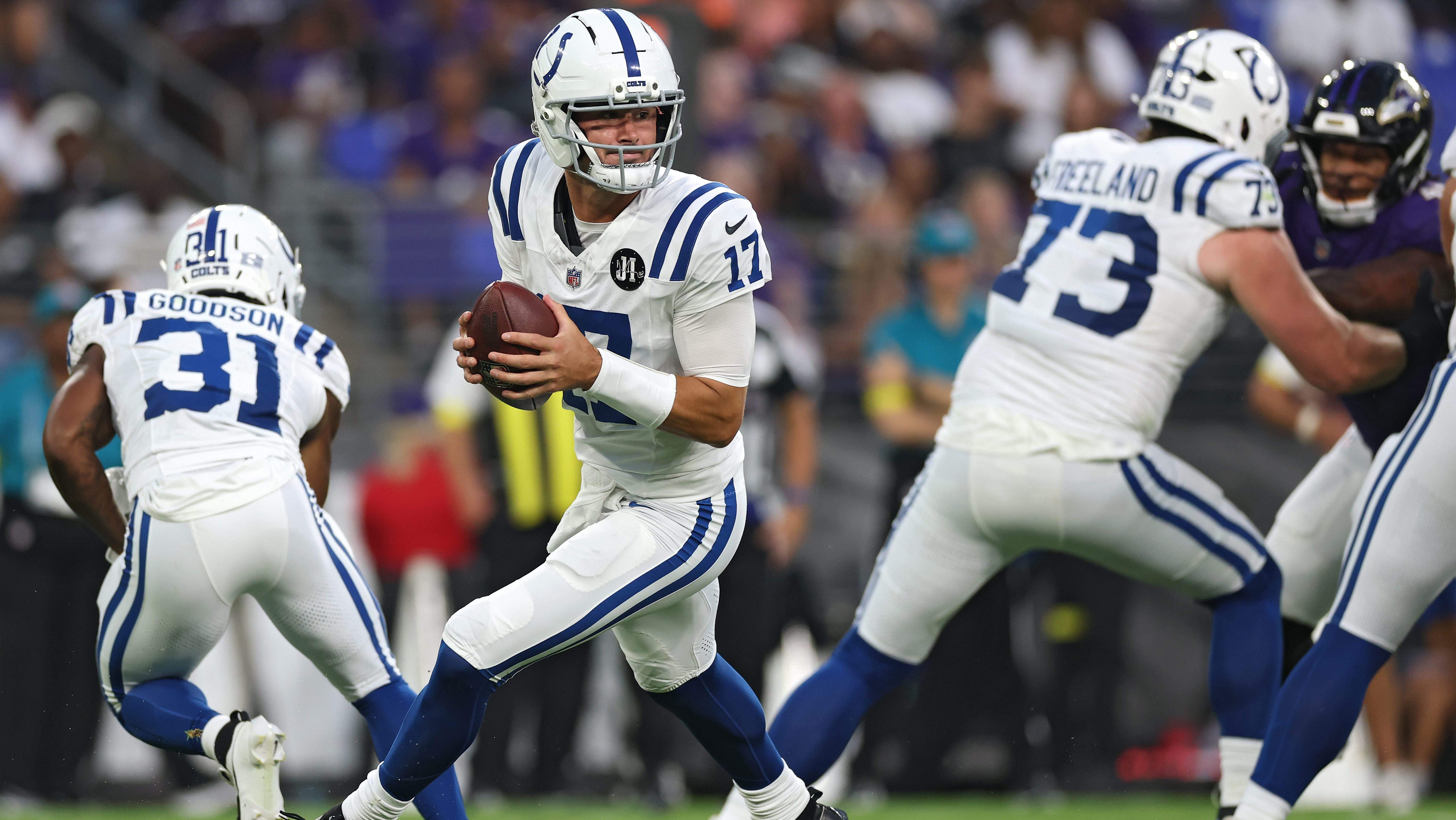
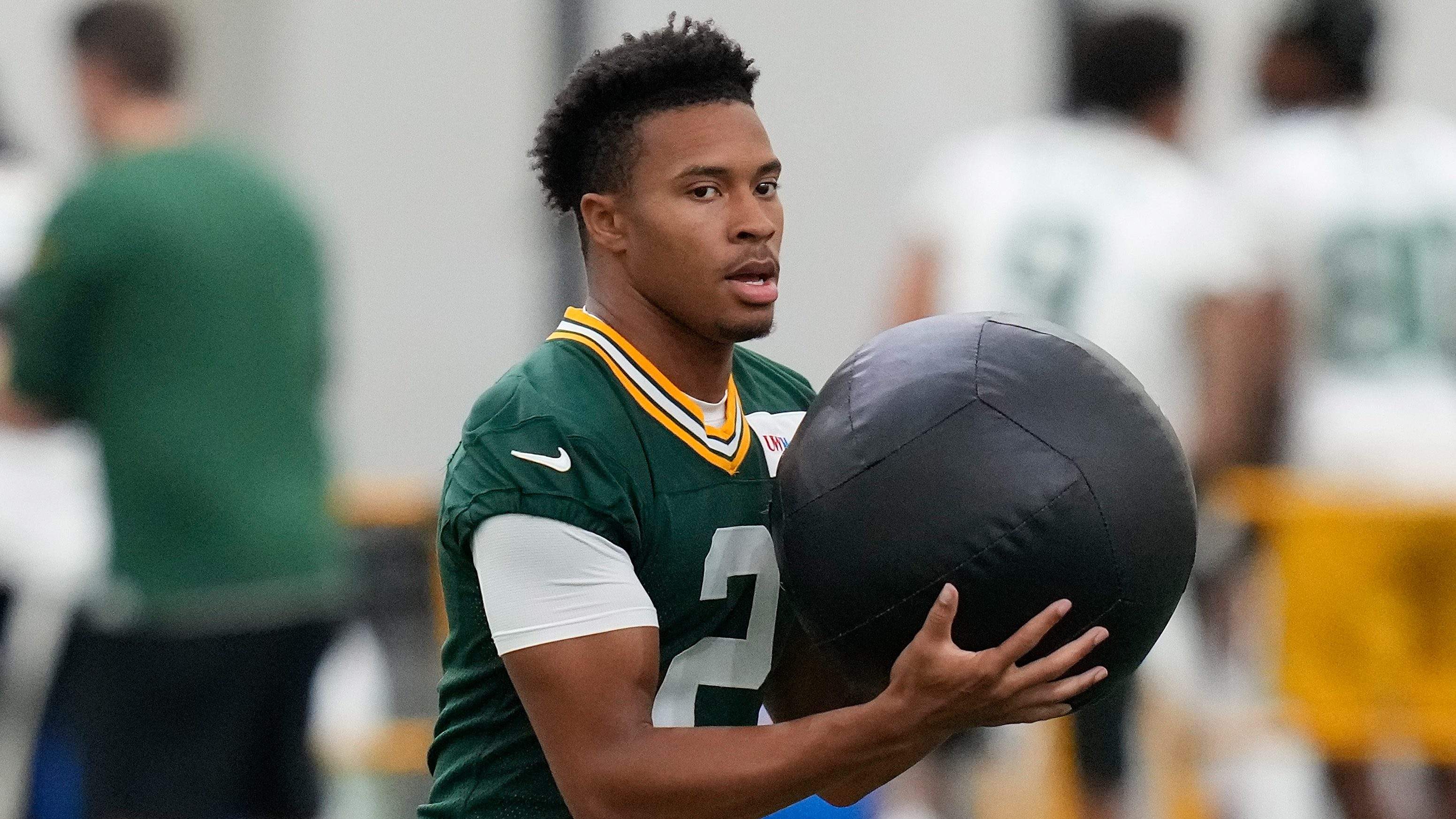
In a bold move, the team parted ways with Pro Bowl quarterback Tua Tagovailoa, despite his contract carrying $54 million guaranteed. The Dolphins then added free agent Malik Willis on a three-year, $67 million deal, signaling a shift toward a younger, more dynamic quarterback profile. After the 2026 NFL Draft, the club also added Mark Gronowski, the winningest quarterback in college football history, as an undrafted free agent. These moves left the Dolphins with a quarterback room featuring Willis, along with several other developing signal-callers who were in the mix during training camp and preseason.
As training camp progressed and the preseason slate concluded, the Dolphins faced a difficult roster decision process. The quarterback room evolved through a series of transactions and evaluations, with Willis emerging as the most secure member of the group. The organization focused on building a developmental pathway around Willis, while continuing to assess the long-term plans for a backup quarterback who could step in if needed.
The path forward for the Dolphins included adding depth at the position through waiver claims and practice squad designations. Gronowski, who had a standout college career and earned recognition as a two-time FCS national champion, entered the NFL with high upside. He joined the team at an important juncture, aiming to prove himself in the competitive environment of the professional game. In the aftermath of preseason evaluations, Gronowski’s status with the team fluctuated, including a stint on the practice squad and later adjustments based on roster needs.
Meanwhile, the Dolphins explored acquiring veteran or experienced backup options to stabilize the quarterback room behind Willis. Several trades and waiver transactions involving other quarterbacks occurred, as the team sought a balance between upside, experience, and the ability to contribute if called upon during the season. The organization emphasized competition at the position, aiming to create a pipeline of capable players who could adapt to the coaching staff’s system and philosophy.
Public commentary surrounding Willis highlighted optimism about his ceiling and potential impact. Analysts noted his arm strength, improvisational ability, and the potential to bring a different dimension to the Dolphins’ offense. While Willis entered the league with a modest track record as a starter, the coaching staff and front office saw a pathway for development, situating him as the probable focal point of the quarterback room going into the season. The team also recognized the importance of protecting Willis with a capable supporting cast, including an improved offensive line, receiving corps, and play-calling versatility.
On-field development remained a central theme. Willis’ opportunities to grow were framed by his past NFL appearances, where he demonstrated tools that could translate to sustained success with the right support and coaching. The organization committed to a development plan that prioritized game-speed repetitions, mental processing, and decision-making under pressure. This approach aimed to maximize Willis’ potential while ensuring that the team would not be exposed by a lack of depth at the position.
The quarterback situation drew continued attention from fans and analysts alike, with conversations focusing on whether the Dolphins could stabilize the room through internal development or would seek further external help during the season. The coaching staff’s philosophy emphasized competition, readiness, and adaptability, seeking to avoid overreliance on any single player and to maintain flexibility across the quarterback pipeline.
In the broader context of the organization, this transitional period reflects a strategic pivot toward cultivating homegrown talent and evaluating new additions through a long-term lens. The Dolphins’ emphasis on development, versatility, and resilience aims to create a quarterback room capable of sustaining competitive play in a demanding league schedule. While Willis stands as the centerpiece of the group for now, the franchise remains attentive to opportunities to add depth through waivers, trades, and potential signings that align with their long-range blueprint.
As the season approaches, all eyes will be on how the quarterback room performs under the coaching staff’s system, the effectiveness of the supporting cast around Willis, and the team’s ability to adapt to the evolving dynamics of the league. The continued focus will be on refining decision-making, improving pocket presence, and maximizing efficiency across the passing game, with the ultimate goal of presenting a cohesive, competitive offense capable of challenging for division honors and postseason opportunities.
Note: The content above preserves the core information about the Dolphins’ offseason quarterback decisions and surrounding context, without attribution references or external source materials.