Current outlooks place Tennessee as a long shot to finish with the league’s worst record, but the margin is not insurmountable. Market-based projections assign the Titans a 7% probability of ending the year with the fewest wins in the NFL. That puts them sixth in the perceived pecking order for the “worst record” distinction, a notable step up from the bottom of the pile in recent years. While that number is far from a final verdict, it suggests some momentum in the right direction, especially given the competition surrounding them.
The frontrunner for the dubious honor remains the Arizona Cardinals, who hold a striking 25% chance of finishing with the league’s worst record. Arizona’s high odds are driven in part by a tough schedule and a roster that features a young and talented core, including playmakers at skill positions and a solid group of blockers up front. The Cardinals’ non-conference slate includes matchups with strong teams, and their NFC West division opponents—Seattle, San Francisco, and Los Angeles—pose additional challenges. Even so, Arizona’s offense has shown the ability to pile up points, which injects a note of unpredictability into how poorly they might perform overall.
Close behind is Miami, with around a 23% probability of ending up at the bottom. The Dolphins are in a rebuilding phase with limited proven contributors, relying on a mix of emerging talent and veterans. While there is upside in the roster, the lack of established reliability at key spots contributes to the higher risk of a rough season. When combined with Arizona, these two teams account for roughly half of the market’s worst-record probability, underscoring why most prognostications view the field as relatively wide open beyond those two clubs.
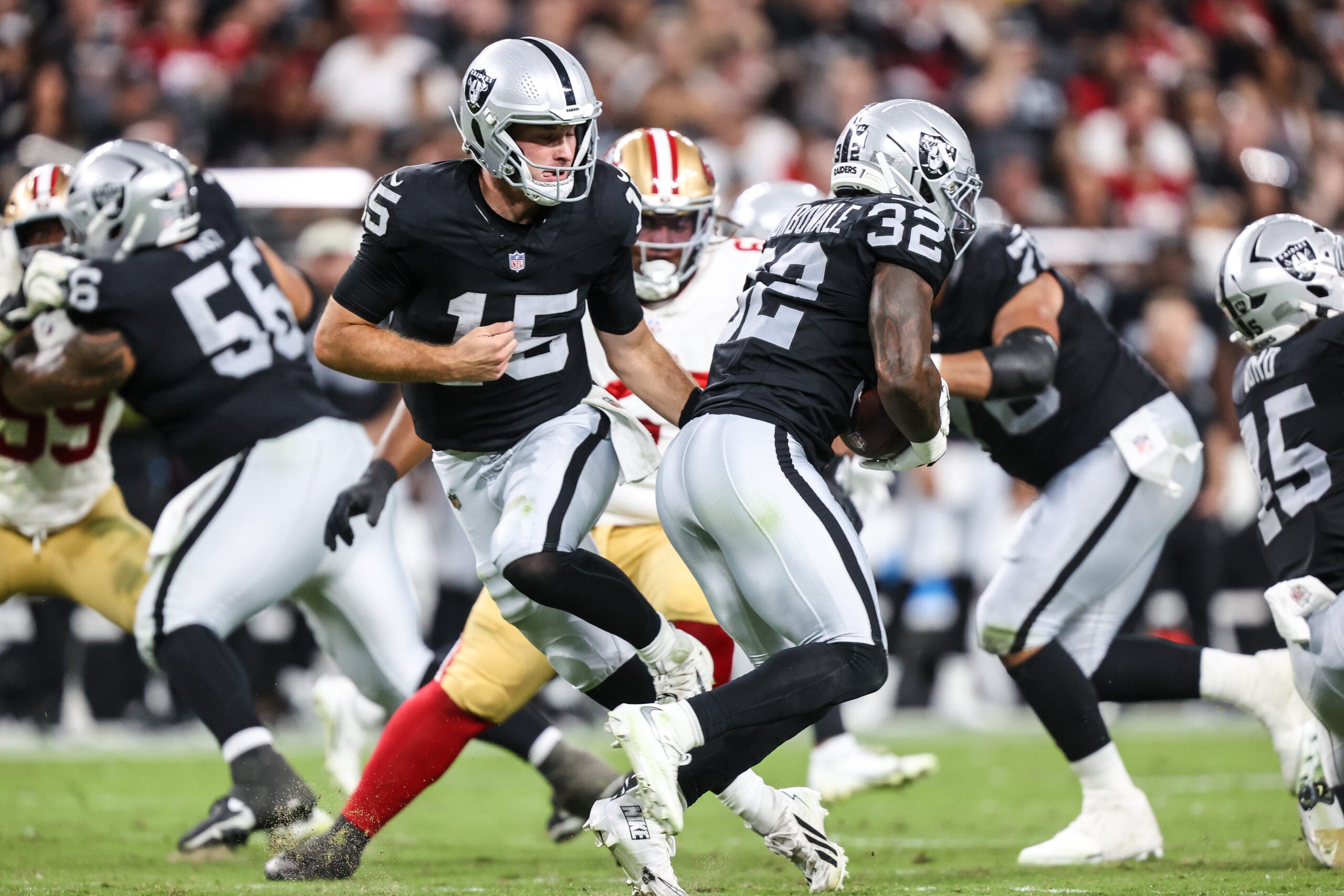
Rounding out the top six teams most likely to finish with the league’s worst record, according to market data, are the Cleveland Browns, New York Jets, Las Vegas Raiders, and Tennessee Titans, each with single-digit probabilities ranging from around 7% to 11%. Beyond that threshold, the chances for other franchises to claim the basement become progressively smaller, with teams like the Falcons, Giants, and Commanders hovering in the low single digits, and several others not far behind.
For the Titans specifically, the disparity between their projection and the league’s top contenders offers a glimmer of strategic guidance. Arizona and Miami appear to be the most probable teams to finish with the worst record, which means the Titans are not expected to be neck-and-neck for anonymity at the very bottom. This separation could be meaningful for a franchise that is trying to reestablish stability and competitiveness around Cam Ward and a growing cast of supporting players.
Tennessee’s 2026 schedule will be a meaningful test of their progress. Key early-season opportunities to establish momentum include opening against difficult opponents, followed by midseason tests that feature matchups against teams currently viewed as higher-caliber or more established. The Titans will also face pivotal games against teams in their own division and conference, providing opportunities to demonstrate growth, resilience, and the ability to win on a more consistent basis.
From a broader development perspective, avoiding the bottom-five record would not only carry a potential positive signal to fans and stakeholders but also influence future draft positioning and roster-building dynamics. A better-than-expected record could reflect growth in several areas: improved quarterback development under the new coaching regime, effective use of a restructured receiving corps, a more stable offensive line, and a defense that can generate pressure and secure possessions at critical junctures. Each of these elements matters as the team seeks to accelerate its competitive arc and reduce the frequency of seasons defined by bottom-tier standings.
The ultimate takeaway is that while the Titans face a challenging path, the published market outlooks suggest meaningful room for improvement relative to the deepest depths of recent campaigns. The current sentiment recognizes progress in the right direction, even if the overarching objective remains clear: build a sustainable, winning culture that can contend for playoff spots rather than scramble to avoid the league’s worst record.
As the season unfolds, fans and analysts will be watching how the Titans translate expectations into on-field results. The team’s ability to compete with and surpass the teams surrounding them in these projections will be the true barometer of progress. If Tennessee can execute consistently, maximize the potential of Cam Ward, and leverage the depth and versatility that have been assembled, the absence of a bottom-dwelling finish could become a more persistent trend rather than a temporary anomaly. The journey toward establishing a stable, competitive franchise is ongoing, and the 2026 campaign represents a critical step in that longer arc.