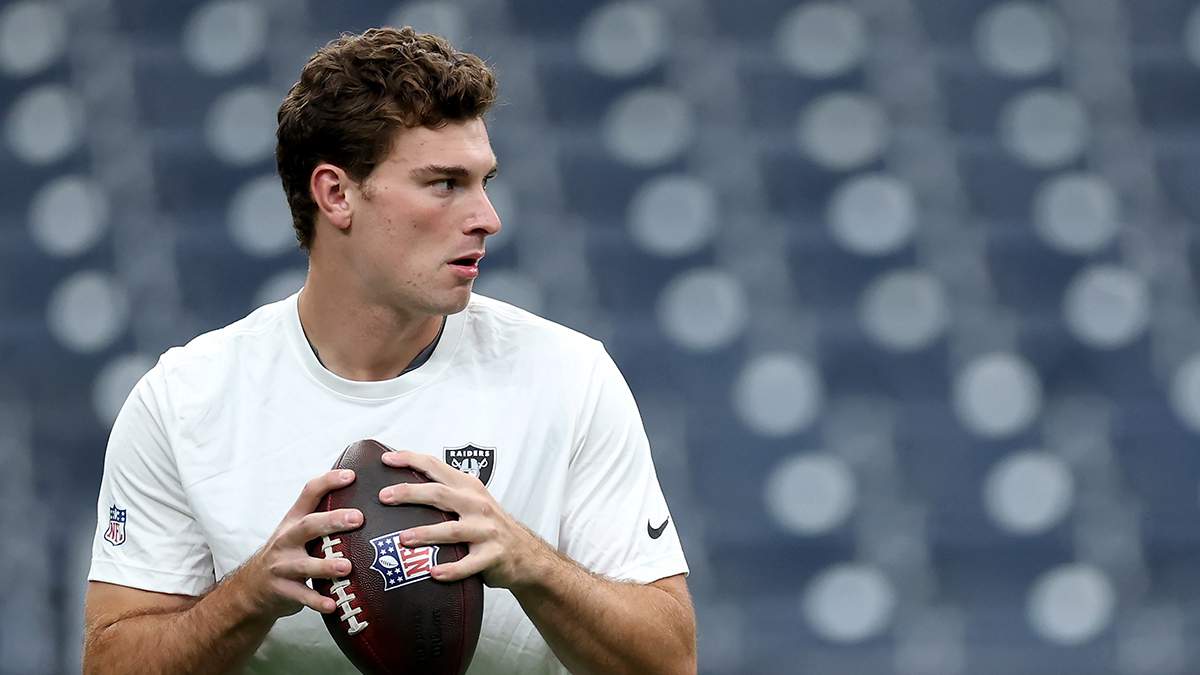
This approach aims to balance immediate competitiveness with long-term quarterback development. Cousins brings starting experience and a steadying presence to the offense, serving as a bridge to Mendoza. Mendoza showcased impressive production at Indiana in 2025, throwing for 3,535 yards and 41 touchdown passes against 6 interceptions on 273 completions of 379 attempts. His collegiate success made him a natural top pick, but the Raiders appear committed to a gradual integration rather than an immediate plug-and-play role.
Beyond Cousins and Mendoza, the Raiders also have Aidan O’Connell in the quarterback room. O’Connell, who has NFL starting experience, adds depth and competition behind Cousins. While Mendoza offers high upside, some observers wonder if O’Connell could carve out a meaningful backup role to begin the season, depending on how the on-field dynamics unfold in training camp and early games. The team’s depth chart currently lists Mendoza as the backup quarterback, signaling a deliberate plan to preserve his readiness while preventing premature exposure to the rigors of regular-season action.
If Cousins encounters early-season struggles, there could be a window for Mendoza to see action sooner than anticipated. Teams often weigh the risks of accelerating a highly drafted quarterback’s timeline against the potential long-term gains. The Raiders’ strategy appears to prioritize keeping Mendoza ready while mitigating the risk of premature pressure. In other words, Mendoza’s long-term development remains the focal point, even if short-term opportunities arise.
The decision also reflects the coaching staff’s preference for stability at the position as the team builds its identity around a defensive-minded core and a developing offense. Cousins’ ability to manage games, distribute the ball, and protect possession can help the Raiders stay competitive while Mendoza continues to learn the NFL game and adjust to the pros’ speed and complexity. If the offense can execute consistently, the transition plan could pay dividends down the line, giving Mendoza a smoother ramp to a potential future starter role.
Matchups in the opening weeks will test the Raiders’ approach. The Week 1 opponent, the Miami Dolphins, presents a challenging defense and a dynamic offense, providing a strong early-season gauge of how Las Vegas plans to balance immediate competitiveness with long-term quarterback development. Fans will be watching to see how the offense adapts under Cousins, how Mendoza progresses in practice, and whether the coaching staff preserves Mendoza’s redshirt-like progression or accelerates his timeline if circumstances warrant.
As the season begins, both fans and analysts will be assessing the quarterback room’s depth and the decision-makers’ long-range plan. The combination of a veteran signal-caller, a young first-round talent, and an experienced backup gives the Raiders a layered quarterback ecosystem. The coming weeks will reveal how this structure translates to on-field results and whether Mendoza’s development accelerates in response to performance pressures, injuries, or strategic shifts within the offense.
In summary, Las Vegas has charted a patient development path for Fernando Mendoza while deploying Kirk Cousins as the starter to guide the team through the early part of the season. The organization appears focused on sustainable growth at the quarterback position, prioritizing Mendoza’s long-term readiness while maintaining competitiveness in the present. As Week 1 approaches, all eyes will be on the quarterback room to determine how this plan unfolds in real-game scenarios.