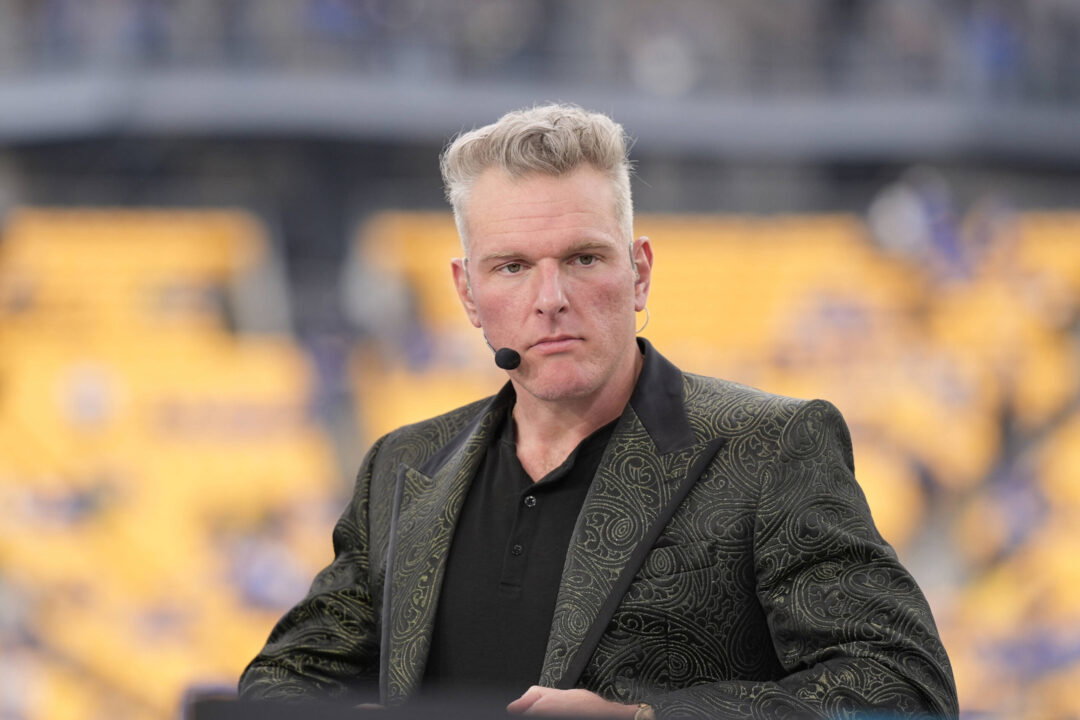
In a discussion on The Mac Daddy Show, Strahan explained that the core difficulty of interviews lies in active listening, predicting where a response might lead, and steering the conversation across multiple possible directions. He contrasted live, everyday conversations with the more structured, surface-level exchanges often seen on daytime television, noting that live segments with a broad audience require a different approach than more casual, general chats.
The remarks came in the wake of Johnson’s June 29 appearance on GMA, during which the former Tennessee Titans star revealed he had been diagnosed with ALS in 2025 at age 39. Johnson described using a speech device controlled by his eyes, a consequence of progressive loss of speech, and discussed how the diagnosis has affected his life. He also shared that he began noticing weakness in his right hand while training and spending time with his wife, Brittany, and their four children. Doctors have described his condition as sporadic ALS, with no known family history. Johnson said he spoke publicly hoping to raise awareness about symptoms, support ALS research, and offer hope to other families facing the disease.
As viewers watched, attention quickly shifted from Johnson’s diagnosis to the interview itself. Johnson’s NFL career looms large in public memory—six seasons with the Titans, a standout 2009 season in which he rushed for 2,006 yards and set the NFL single-season record with 2,509 yards from scrimmage, and a career total of 9,651 rushing yards. Given this prominent football history, some critics felt the interview should have probed the potential connection between Johnson’s athletic background and his health, including whether his football career could have contributed to his current condition or whether his perspective might have changed with new knowledge.
The critique was partly grounded in research showing that former NFL players have a higher risk of ALS compared to the general population. Large-scale studies have indicated that NFL alumni may experience higher rates of ALS, with risk appearing to rise with greater exposure to professional football. While science has not established a direct causal link between playing football and ALS, the correlation highlighted why some observers believed questions about Johnson’s football past were warranted in the interview.
Strahan, for his part, framed the GMA segment as a platform for Johnson to tell his story on his own terms. He suggested that the interview was an opportunity for Johnson to share his experience, rather than a venue for the most uncomfortable questions. He noted that football had relevance to the discussion, including the NFL’s support for Johnson and the fact that his twin sons play the sport. Strahan emphasized that he aimed to serve Johnson by informing viewers about his life and current situation, rather than to press for sensitive lines of questioning.
Johnson has not engaged publicly in a dispute with Strahan. Since the interview, his focus has remained on his diagnosis and the reasons behind his decision to speak publicly. He described his condition in a way that underscored his resilience: “ALS has changed what my body can do, but it hasn’t changed who I am.” He acknowledged the seriousness of interviewing a person with a complex medical history and the responsibility that comes with addressing such topics. He explained that an interviewer must balance understanding what is happening with the ability to anticipate where the conversation might go.
The broader debate centers on the responsibilities of interviewers when engaging with high-profile athletes who are navigating significant health challenges. Proponents of a more direct line of questioning argue that addressing the football career and its possible links to health effects is essential for a comprehensive conversation with a public figure who has spent years under the spotlight. Critics of that approach contend that the primary purpose of the interview is to honor the subject’s narrative, especially when the person is discussing a serious medical diagnosis. In this view, the interviewer’s role is to facilitate a meaningful dialogue that respects the guest’s boundaries and priorities while still providing informative content for the audience.
As media coverage of health issues in sports figures continues to evolve, Strahan’s comments highlight a broader professional tension: how to balance an interviewer’s duty to inform with a guest’s right to control their own storytelling. The discussion is less about assigning blame and more about understanding different interviewing philosophies and the practical realities of live television. For Johnson, the priority appears to be raising awareness about ALS and sharing personal experiences in hopes of helping others and advancing research, a goal he articulated clearly during the appearance.
In summary, the conversation underscores the complexity of conducting interviews with athletes who face impactful health challenges. It raises important questions about how much emphasis should be placed on an athlete’s past career in relation to present medical realities, and how interviewers can best support guests in communicating their stories with accuracy, sensitivity, and public benefit. The incident serves as a reminder that effective interviewing is as much about listening, relationship dynamics, and storytelling as it is about asking the right questions.