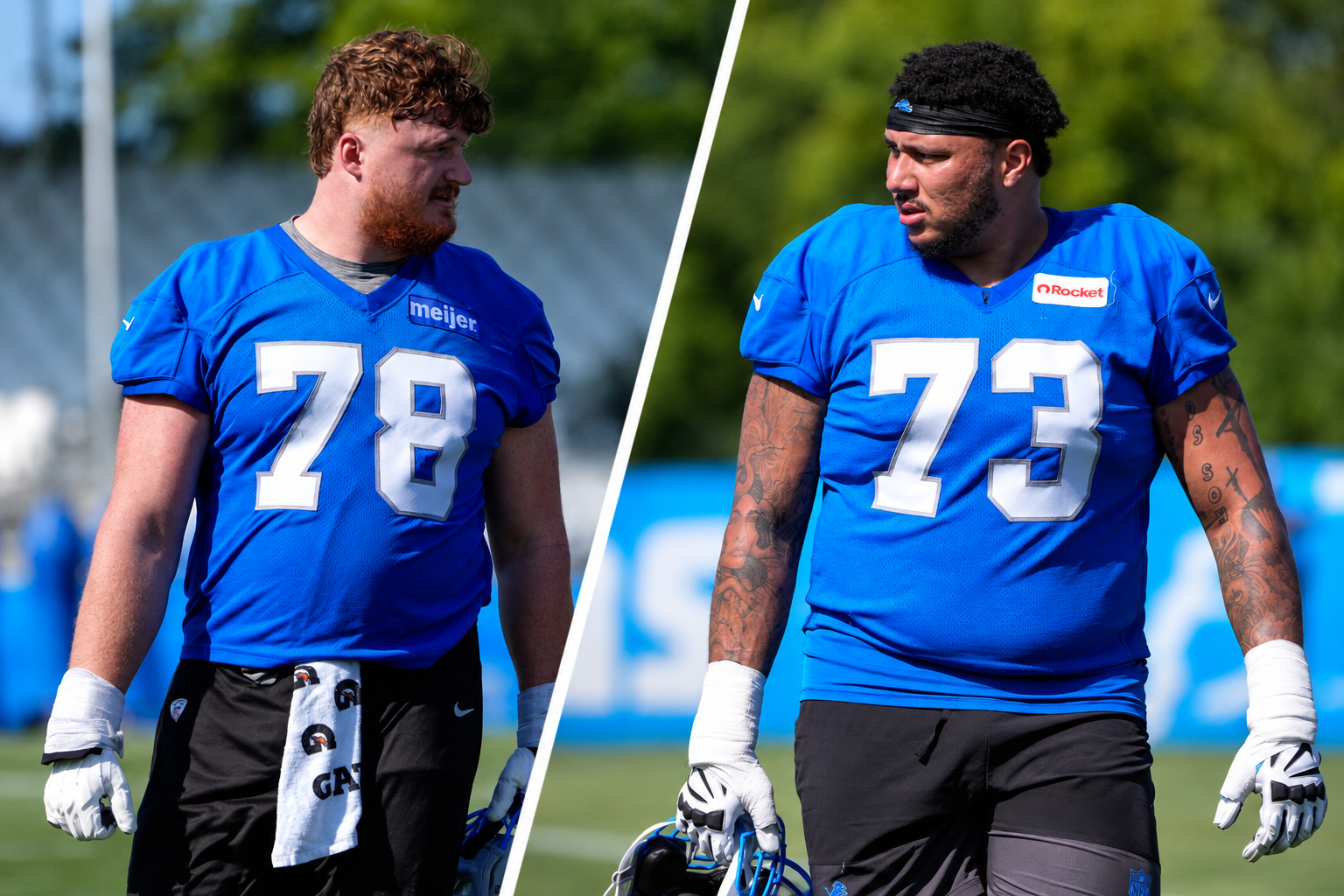
The initial update came when head coach Brian Schottenheimer announced that Tyler Smith would undergo thumb surgery and be placed on Injured Reserve. This confirmation prompted questions from fans and media about whether the Cowboys could have detected the issue sooner or managed it differently. Schottenheimer indicated that Smith had attempted to play through the pain and that it’s common for players to try to push through injuries, especially when they feel they can contribute.
What added clarity, albeit with nuance, came from insider reporting. Bryan Broaddus, a well-known Cowboys insider with ties to 105.3 The Fan and Crown Global Media, provided details on the timeline. He explained that the team had only recently returned from a trip to Arizona and had two padded practices since then. According to his report, it would have been difficult to identify the issue without more work, and it appears the thumb was injured back at The Star in Frisco, not earlier. This tracing of the timeline supports the notion that the injury surfaced or worsened after Smith returned to Texas, leading to the decision to address it surgically for the long-term sake of the player and the team.
Jerry Jones added his perspective in a radio appearance, suggesting the Cowboys initially believed Smith could work through the injury after returning to The Star two weeks prior. Ultimately, however, it was determined that the injury had progressed to a point where surgical repair was deemed necessary.
Despite these insights, there remains some uncertainty about the exact sequence of events. Broaddus himself noted a disclaimer, saying there appears to be a disagreement about the precise timeline of when the injury occurred. This acknowledgment indicates that while the prevailing narrative points to bad timing and the need to fix the issue for long-term health, there isn’t a single, undisputed account of how everything unfolded.
In the broader context, when such injuries happen, teams often weigh the short-term availability of a key player against their longer-term durability and performance. The Cowboys management and medical staff likely faced the difficult balance between trying to compete without Smith and ensuring he’s healthy for the future. The outcome—Smith undergoing thumb surgery and moving to Injured Reserve—reflects a decision aimed at preserving his long-term career and the team’s stability.
For Cowboys fans and observers, the central takeaway is that the situation appears to be a case of timing and the challenges of diagnosing and managing hand injuries in football. It underscores how, even with careful monitoring, some injuries only reveal their true impact after players return to game situations and workouts. As the team moves forward, the focus will be on how they adapt their offensive line plans and how Smith recovers, with an eye toward his return and overall contribution once he’s fully healthy.
In the meantime, the Cowboys will assess their depth and rotation along the line to compensate for the absence of Smith during his recovery. The broader lesson highlighted by insiders is that injuries can emerge or become problematic at inopportune moments, and teams must navigate these situations with both immediacy and long-term consideration for player health and performance.