Key personnel moves and depth chart notes have drawn attention as the Chargers revealed their Week 1 depth chart. A notable development is the team prioritizing a high-priced free-agent addition at tight end, signing him to a three-year contract worth approximately $24.3 million. This investment places the new tight end at the top of the depth chart at his position, signaling the organization’s intent to maximize production from the position in McDaniel’s offense.
Historically, the tight end group has contributed meaningful production for Herbert, delivering receptions and yardage across the previous season. In particular, one veteran tight end led the position in receiving yards and touchdowns, providing a blueprint for what the Chargers hope to achieve with a more complete pass-catching threat at the position. While there has been strong production from a trusted young target in previous campaigns, the team’s decision to elevate the newly-signed tight end signals a shift toward utilizing a bigger-bodied, versatile option who can contribute in both the run game and the pass game.
The newly added tight end—best known for his blocking prowess and two-way value—has accumulated a modest career receiving total and a handful of touchdowns so far. Despite not being the primary receiving threat early in his career, his three-year deal reflects the organization’s belief that he can develop into a well-rounded contributor under the new staff and system.
Jim Harbaugh, the team’s head coach, has publicly indicated that the core group at tight end—featuring the newcomer and a veteran playmaker with prior Pro Bowl recognition—offers a well-rounded package. His remarks imply that the combination of the signing and the existing talents could outperform expectations at the position, potentially providing more blocking support and reliable option routes for Herbert in passing situations.
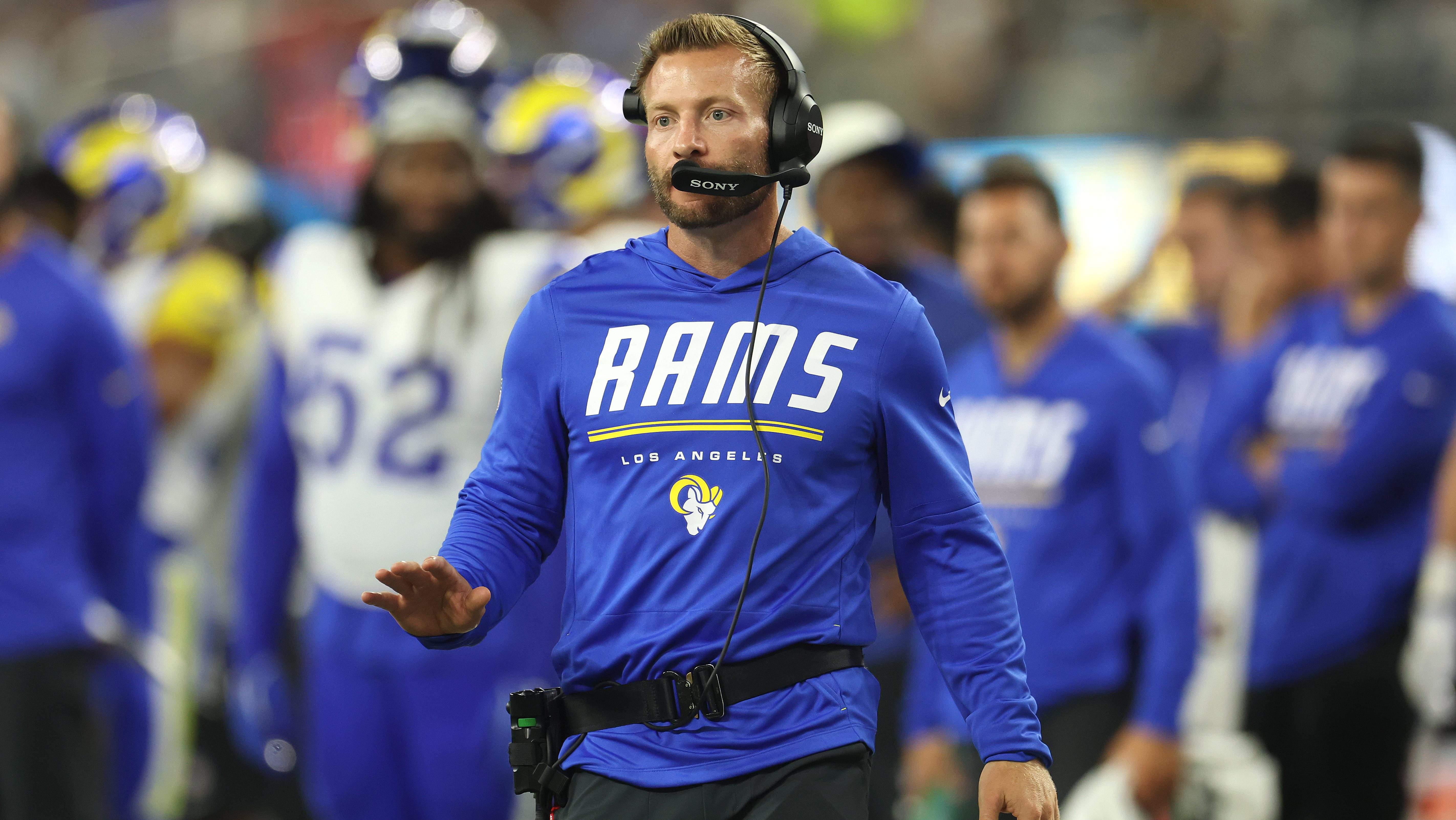
The presence of Mike McDaniel as the offensive coordinator brings a renowned play-caller with a reputation for innovation and an offense that emphasizes tempo, misdirection, and effective use of play-action. For a quarterback like Herbert, the challenge and opportunity lie in leveraging this system to maximize yardage while maintaining protection and rhythm. The early impression from players around the team is that McDaniel’s schemes could open more opportunities for the tight end group, including more crossers, seam work, and movement-based plays designed to put stress on defenses.
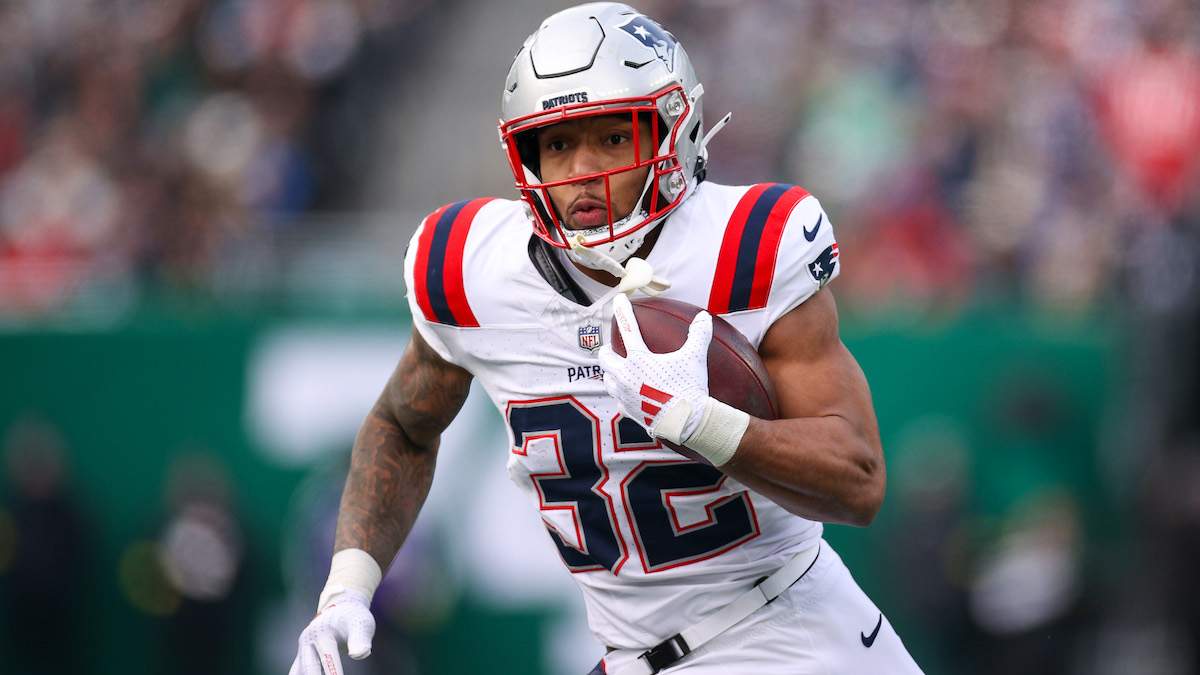
Charlie Kolar, the newly signed tight end, is a player who has drawn attention for his ability to block and his consistent presence on the field. While his receiving totals in prior seasons show room for growth, the combination of blocking reliability and the potential for increased involvement in the passing game makes him an appealing fit for McDaniel’s offense. The expectation is that Kolar will develop into a multi-functional asset who can contribute as a run blocker, an in-line receiver, and a target on designed throws.
In discussing the future, the coaching staff has hinted that Kolar, along with another versatile option at the position, could provide a compelling combination that challenges opposing defenses. The goal is to ensure that the tight end position remains a piston in the offense—able to contribute to the running game when needed and to threaten the middle of the field when called upon in pass plays.
From a broader perspective, the Chargers’ offense has the potential to be among the league’s most dynamic under McDaniel. If the offensive line avoids injury and Herbert continues to develop comfort and chemistry within the system, the team could push for a deep playoff run for a third straight year. The combination of a powered-up tight end room, a creative play-caller, and a talented quarterback signals a deliberate strategic shift toward exploiting matchup advantages and sustaining offensive pressure across four quarters.
The 2026 season will thus be a significant proving ground for the Chargers’ offensive identity. As the team integrates McDaniel’s principles, the coaching staff will be looking for consistency, improved balance, and efficient execution in the red zone and on third downs. If the line holds up and Herbert continues to mature as a high-level passer within this scheme, the Chargers could unlock a more explosive and efficient offense than in previous seasons, with the tight end position playing a pivotal role in that growth.
Fans and analysts will be watching closely to see how the new alignment at tight end translates on the field. The potential for increased involvement from the newly signed player, paired with the system’s emphasis on run action and play-action passing, could yield a more varied and unpredictable attack. As the season unfolds, the Chargers will be evaluated not only on individual performance but on how well they execute McDaniel’s concepts, how effectively the tight ends contribute as both blockers and receivers, and how Herbert leverages the offense to produce consistent scoring.
In summary, the Chargers enter 2026 with a bold plan: bolster the tight end position with a high-value signing, lean on a renowned offensive mind to maximize Herbert’s talents, and pursue a strong playoff push. If the pieces come together, Los Angeles could establish itself as one of the league’s most potent offenses, with the tight end rotation playing a key role in driving the attack.