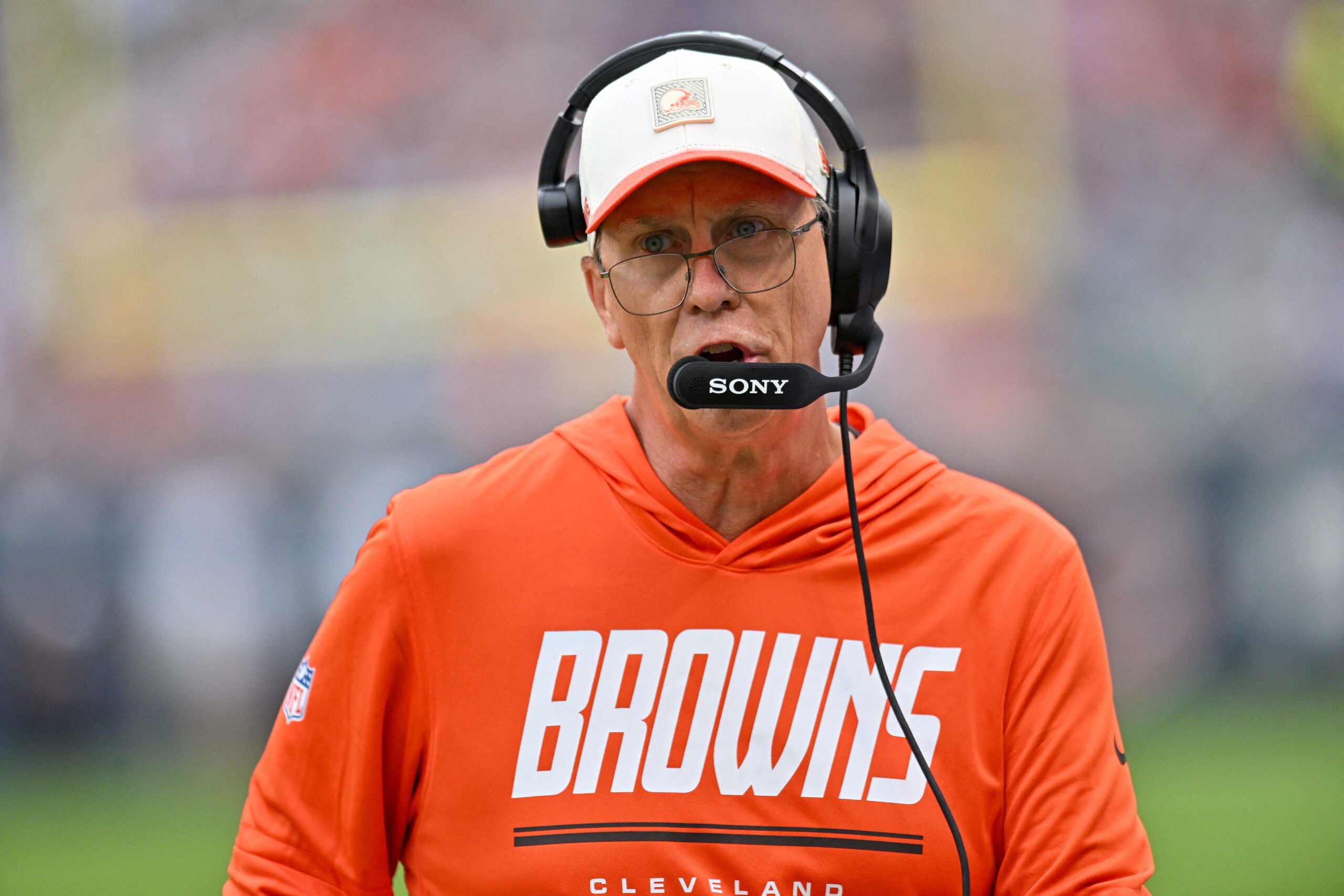
Bowles has long been known for leaning into defense and using smart, adaptable game plans to slow down elite quarterbacks. Ahead of this game, he offered a candid view of what it takes to prepare for Burrow and Cincinnati’s receiving corps. “Preparing for guys like that can be a headache,” Bowles said. “It’s exciting once you get there, but you know, those guys can give you headaches. They’ve given everyone headaches.” The comment underscored the challenge of slowing a well-rounded Bengals attack that features Burrow’s pocket savvy, accurate throwing, and a receiver group that thrives on timing and exceptional ball location.
What makes Burrow uniquely difficult to defend is a combination of intelligence, pocket movement, and flawless ball placement. Bowles highlighted Burrow’s ability to extend plays without always needing to scramble, using subtle footwork to buy time and convert plays that might otherwise collapse. Burrow can extract seven, or even ten, yards when necessary, by sliding within the pocket and avoiding sustained pressure. His outside throws—particularly the fade routes, back-shoulder catches, and deep balls over the top—are placed with precision, challenging defenders to make perfect reads and contests. This level of accuracy isn’t just about arm talent; it’s about anticipation, timing, and the coordination with his receivers to win one-on-one battles downfield.
For a defense, containing Burrow starts with disrupting his ability to maneuver in the pocket and his instinct to extend plays. Burrow’s pocket movement allows him to escape pressure and keep plays alive, which complicates pass rush plans. Bowles recognizes that Burrow’s efficiency isn’t tethered to pure speed but to the quarterback’s ability to manage the pocket, anticipate routes, and exploit windows that appear as the play develops. The task, then, is to maintain discipline, execute sound coverages, and pressure Burrow in ways that force him into unfavorable decisions or hurried throws. In Bowles’ view, the Bengals’ success is a blend of Burrow’s pocket mastery and the consistency of his receivers in creating separation and finishing plays with precision catches.
Cincinnati’s offense deserves credit for its sustained effectiveness when Burrow is healthy. The combination of Burrow with Ja’Marr Chase and Tee Higgins creates a dynamic that has repeatedly tested defenses. Chase’s burst and route-running, paired with Higgins’ size and reliability, give Burrow multiple options on any given play, forcing safeties and cornerbacks to anticipate where the ball will go and how the route combinations will unfold. The Bengals’ offense has rarely been the root of controversy when Burrow is on the field; rather, it’s been about the surrounding personnel and the consistency of protection. When Burrow has time, his pinpoint throws and ability to place balls where only his receivers can reach them make the passing game formidable against even stout secondaries.
On the other side, Tampa Bay is building around quarterback Baker Mayfield and a developing receiving corps led by Emeka Egbuka, among others. Mayfield’s development as a field general and his trust in his targets will be tested by Cincinnati’s defensive schemes and pass-rushing plans. Bowles’ unit aims to generate pressure and mixed looks that keep Burrow off balance, while also ensuring that the defense remains sound against play-action and downfield shots. The Buccaneers will rely on a balanced game plan that values pressure, containment, and disciplined coverage to minimize Burrow’s opportunities to get clean throws off and to force mistakes.
This Week 1 clash also marks a broader narrative: how well the Buccaneers can translate offseason improvements into a cohesive, competitive performance right from the opening kickoff. For Cincinnati, the focus remains on maximizing Burrow’s strengths—his pocket savvy, accurate outside throws, and ability to place balls in windows that require perfect timing from receivers. The Bengals’ approach will likely emphasize maintaining throwing lanes, exploiting mismatches with their top receivers, and keeping Burrow protected long enough to read the field and deliver with precision.
Historically, the last meeting between these teams offered a snapshot of how the Bengals can ignite a late-game surge when needed. Burrow’s evolving command of the offense and his capacity to unlock multiple receiving options have continued to be a constant theme in Cincinnati’s strategy. The Buccaneers know they must disrupt Burrow’s rhythm early, limit his ability to slide feet and extend plays, and force quarterbacks to rely on routes and windows that are less favorable for big plays.
As Week 1 unfolds, the coaching minds at both ends of the sideline will be tasked with translating years of experience into a game plan that can outmaneuver the other. Bowles’ defense will attempt to impose pressure and limit Burrow’s improvisational advantages, while Burrow and his receivers will look to exploit any miscommunications, mismatches, and windows created by Tampa Bay’s defensive schemes. The result will depend on execution: protecting the pocket, delivering accurate throws, and sustaining drive after drive against a defense determined to set the tone with early stops.
In the end, this matchup is less about a single star performance and more about the strategic chess game between Burrow’s mastery of timing and placement and Bowles’ insistence on sound, adaptable defense. It’s a test of precision, discipline, and execution that will likely shape the tone of both teams’ seasons as they head into a demanding 2026 schedule. If Cincinnati can protect Burrow and keep him in a comfortable rhythm, their passing attack can overwhelm even a well-prepared Tampa Bay defense. Conversely, if the Buccaneers apply the right mix of pressure and coverage, they can force Burrow into difficult throws and disrupt the rhythm that has made the Bengals’ offense so potent in recent seasons.