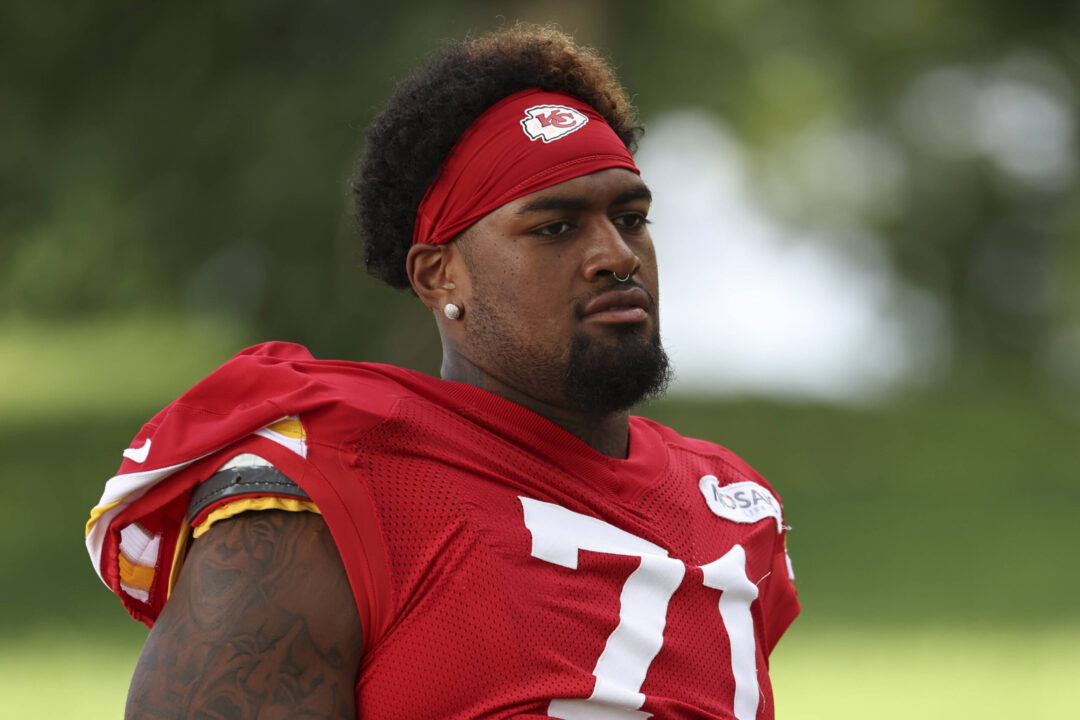
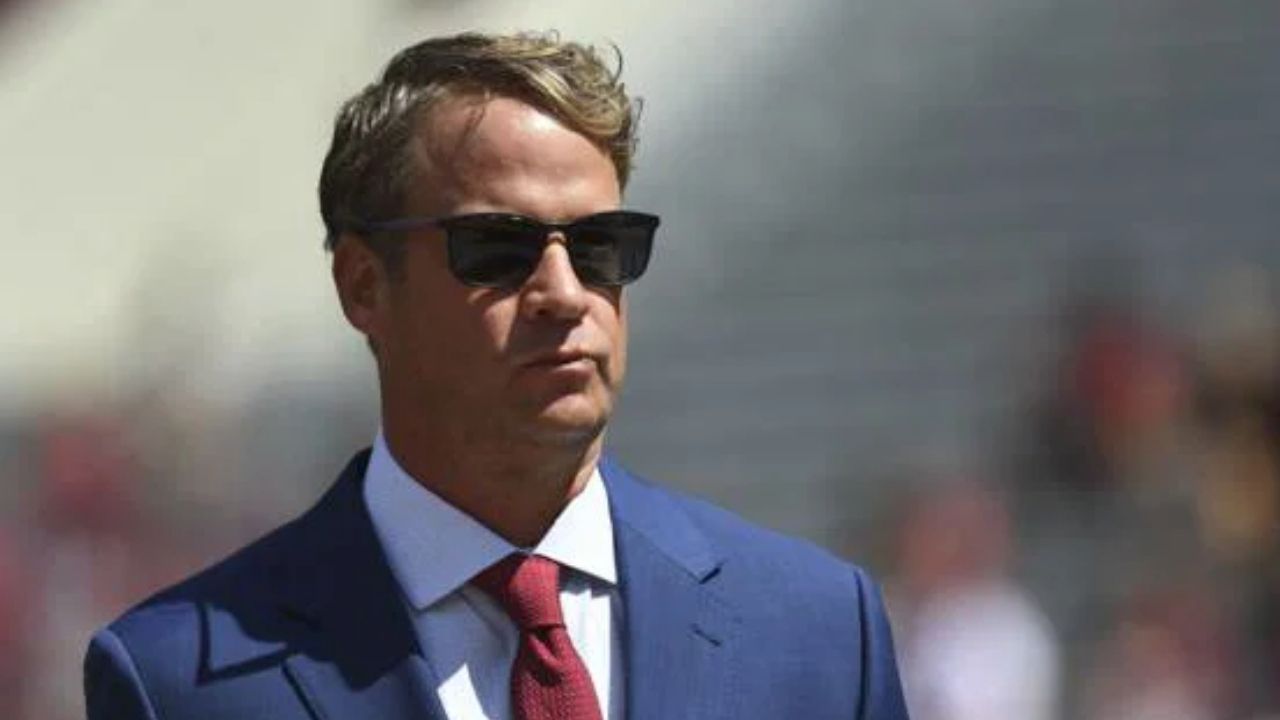
The amended filing leans on Kiffin’s own words from a Clemson sideline moment as key evidence. During halftime, the Ole Miss-to-LSU coach remarked to a sideline reporter that it took a conscious effort not to say, “imagine if we had pros.” The SEC contends that the remark reflects LSU’s ongoing resistance to the conference’s Professionalism Rules and signals a pattern of conduct contrary to league standards. The filing also notes a contrast between Kiffin’s public comments and the silence of LSU President Wade Rousse and athletic director Verge Ausberry, suggesting a broader issue with institutional control within LSU’s athletics program.
At the heart of this dispute is a complex eligibility case involving student-athletes seeking a fifth and final season of college football eligibility in light of recent changes to eligibility rules. Dae’Quan Wright and Zxavian Harris, both previously tied to NFL contracts, were among the players pursuing a return to college football. A Louisiana judge had previously issued a temporary restraining order in August, followed by a preliminary injunction on September 3 that blocked the NCAA and SEC from penalizing schools for rostering these players while the case proceeds. In practical terms, this injunction prevented the organizations from enforcing penalties that would keep the players off the field during the litigation.
Kiffin’s involvement adds another layer to the conflict. After moving from Ole Miss to LSU, he recruited Wright and Harris to join the Tigers. The SEC has described the situation as part of a broader challenge to its new rule, which prohibits athletes who declared for the professional draft, did not formally withdraw, signed a professional contract, or appeared on a professional roster from returning to college play. The league’s argument centers on maintaining the integrity of its professional pathways and the boundaries it has set for student-athletes pursuing pro careers.
In addition to the statutory and procedural questions, the SEC asserts a First Amendment claim related to expressive association. The conference argues that it should be free to govern its brand and member conduct in a way that aligns with its values and rules, without being forced to associate with actions it views as inconsistent with its policy framework.
The amended filing also proposes a mechanism for expulsion: a two-thirds vote by league presidents. With this in mind, a pivotal meeting was scheduled for Thursday, September 10, when league presidents would determine whether expulsion proceedings should advance. The SEC sought a temporary restraining order to prevent LSU from obstructing or influencing the governance process ahead of that meeting.
LSU has maintained a cautious public posture in response to the Tuesday filing. A spokesperson for LSU declined to comment on the developing legal strategy or the specifics of the court filing, signaling a measured approach amid ongoing legal and administrative deliberations.
On the field, Wright and Harris remain enrolled and eligible to participate, leaving two roster spots open at the Tigers’ 105-player roster for the game against Clemson. The dynamic remains fluid, as legal developments could influence roster decisions or the broader status of the players involved depending on changes in the litigation or injunctions.
Reaction among college football fans has been polarized. Some critics view the SEC’s actions as aggressive and perhaps overreaching, while others support the conference’s stance, arguing that it is necessary to uphold the league’s standards and protect its brand. The debate has broadened into discussions about conference power, governance, and the potential implications for LSU’s program and future schedules.
As the legal process unfolds, the college football landscape is watching closely to see how the SEC’s amendments will influence proceedings, and whether LSU will face expulsion or other sanctions. The Sept. 10 meeting represents a critical juncture, where the conference will decide how far it is willing to go in enforcing its rules and safeguarding its professional standards. The outcome could set a precedent for how the SEC administers governance and discipline across member institutions moving forward.
Overall, the controversy underscores a broader tension in college athletics: balancing the rights of student-athletes with the governance and integrity requirements of major conferences. While the immediate focus remains on the courtroom and league votes, the repercussions could extend beyond this case, shaping policies, rosters, and competition in the SEC for years to come.
Note: This rewrite preserves the factual context and timeline of events, removes references to original publishers or sources, and presents the situation in a publication-ready format. It is intended to be standalone and understandable without referencing external links or prior articles.