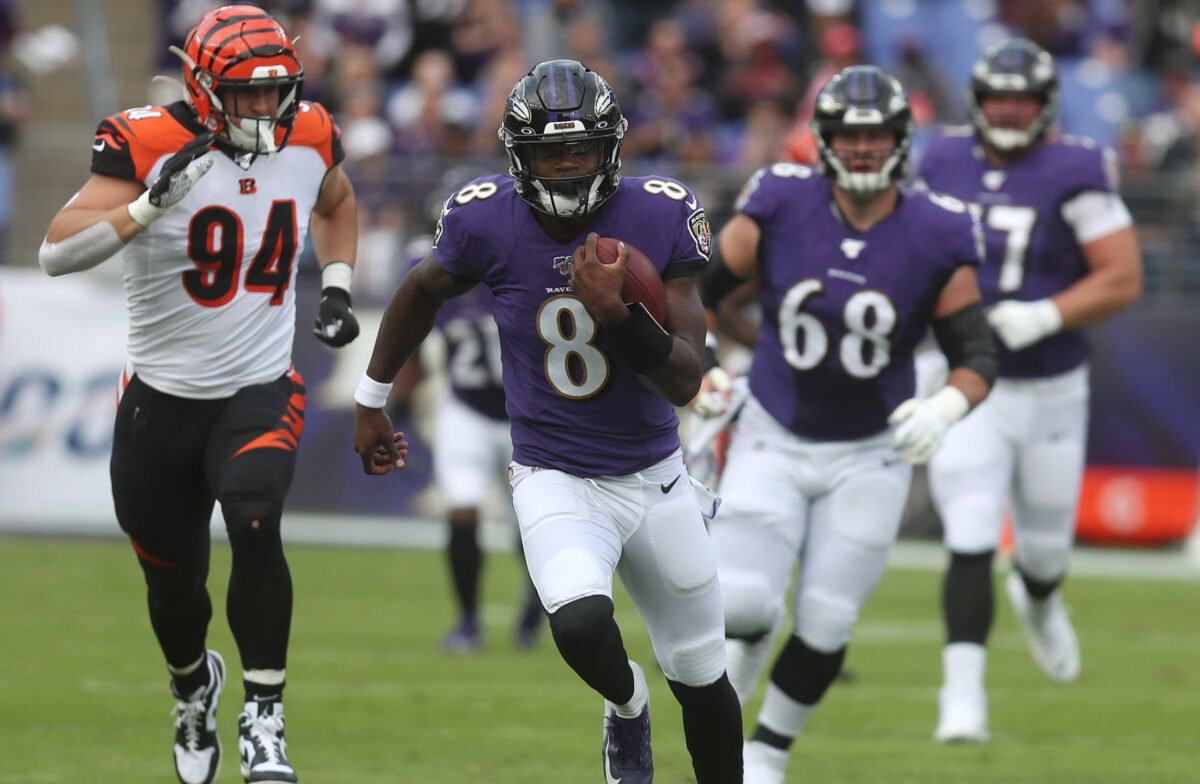
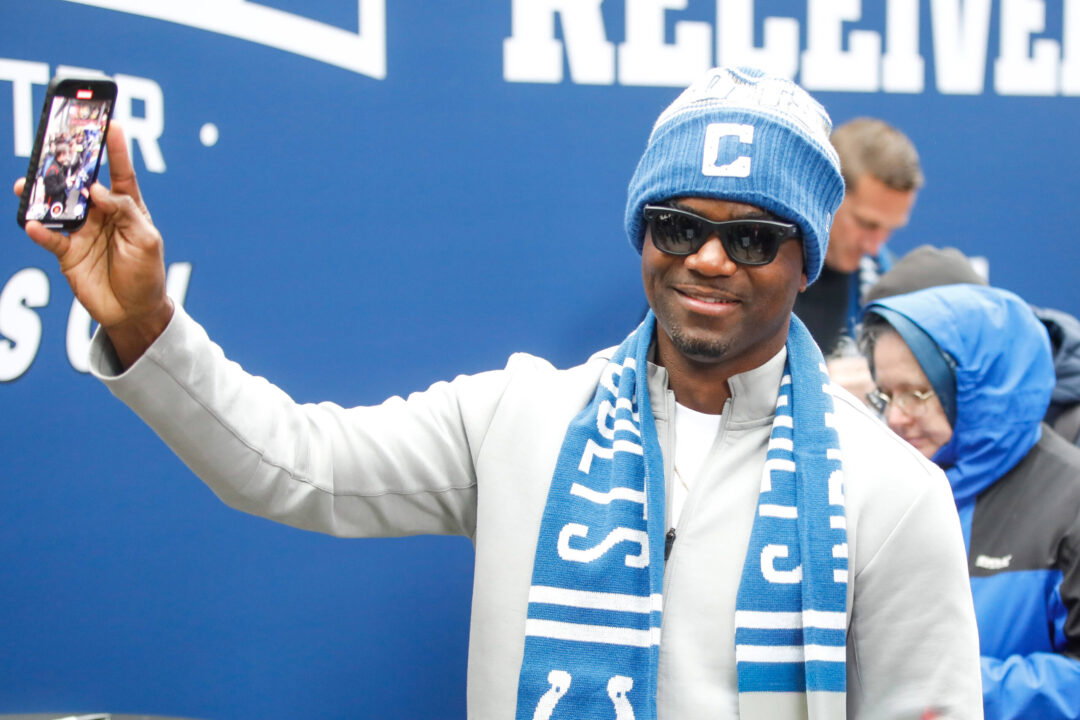
Prominent voices in sports media and former players weighed in on the controversy, emphasizing the deep connection college quarterbacks have with their programs and the expectations of fan bases. LeSean McCoy, a two-time Super Bowl champion, urged LSU supporters to show more respect for a quarterback who had given so much to his university. He argued that a Heisman-winning quarterback earning the adoration of a fanbase deserves appreciation rather than derision, highlighting the personal impact of booing an athlete who performs nightly to entertain and represent the program.
The friction between Jayden Daniels and LSU intensified after a dispute over jersey numbers and program tradition. Daniels reportedly objected to the university’s decision to reassign a revered jersey number to a highly touted recruit. In response, Daniels’ legal team issued a cease-and-desist to the university’s athletic director, while Daniels’ family publicly expressed feeling disrespected by the move. This escalation created a rift between Daniels and the program that once celebrated his ascent.
Daniels’ 2023 season stood out as one of the most impressive individual campaigns in the SEC. He compiled 3,812 passing yards, 40 passing touchdowns, and added 1,134 rushing yards with 10 rushing touchdowns. His efficiency rating and average yards per game placed him among the elite, marking him as one of LSU’s most notable Heisman contenders in recent memory. The achievements underscored the rarity of Heisman winners and the special cachet they bring to a program, a sentiment echoed by supporters who believe a player’s contributions should be celebrated by those who follow the team.
Yet not all former LSU stars have sided with Daniels in the ongoing dispute. Patrick Peterson, a three-time First-Team All-Pro cornerback, criticized the legal action and the broader clash, calling the stance “a little wack and lame.” He questioned why a starting NFL quarterback would engage in a fight over college numbers, especially when recovering from injuries. Peterson’s comments reflected a broader concern that professional players should not overshadow the program’s long-standing tradition and unity.
Leonard Fournette, another LSU luminary and former All-American, also spoke out, advising Daniels to move on. He stressed that no single player should supersede the LSU brand and legacy. Fournette offered a practical perspective on the prestige of jersey numbers, recounting his own experience with seniority and the passing of numbers to top recruits, highlighting how certain numbers become symbols of the program’s evolving identity rather than personal property.
The evolving narrative around Daniels and LSU illustrates the complexity of balancing individual achievement with team culture. While Daniels’ on-field exploits demonstrated his elite talent, the off-field dynamics—jersey symbolism, athlete autonomy, and fan engagement—have created a charged atmosphere that tests the boundaries of college sports loyalty and tradition. The broader conversation underscores how a single game, a single season, or even a single jersey number can ripple through a program’s identity, shaping perceptions among fans, alumni, and future generations of players.
In summary, Daniels’ historic performance remains a landmark in college football history, a testament to his skill and versatility. The subsequent controversy highlights the enduring devotion to LSU’s legacy and the challenging path teams navigate when star players and program traditions collide. As fans and former teammates navigate the evolving relationship, the ultimate question remains: how does a program honor its storied past while embracing the next wave of talent that will define its future?