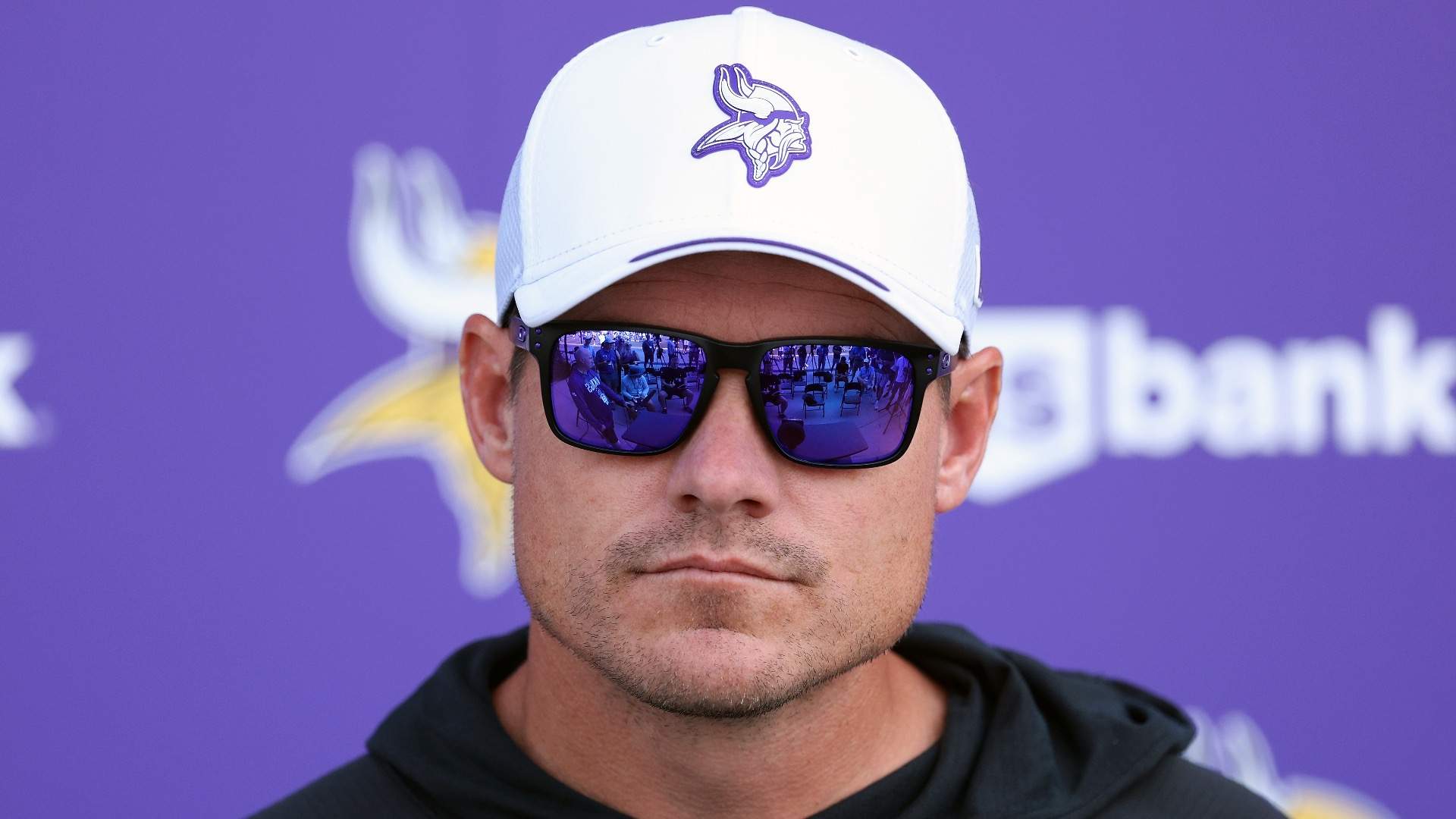
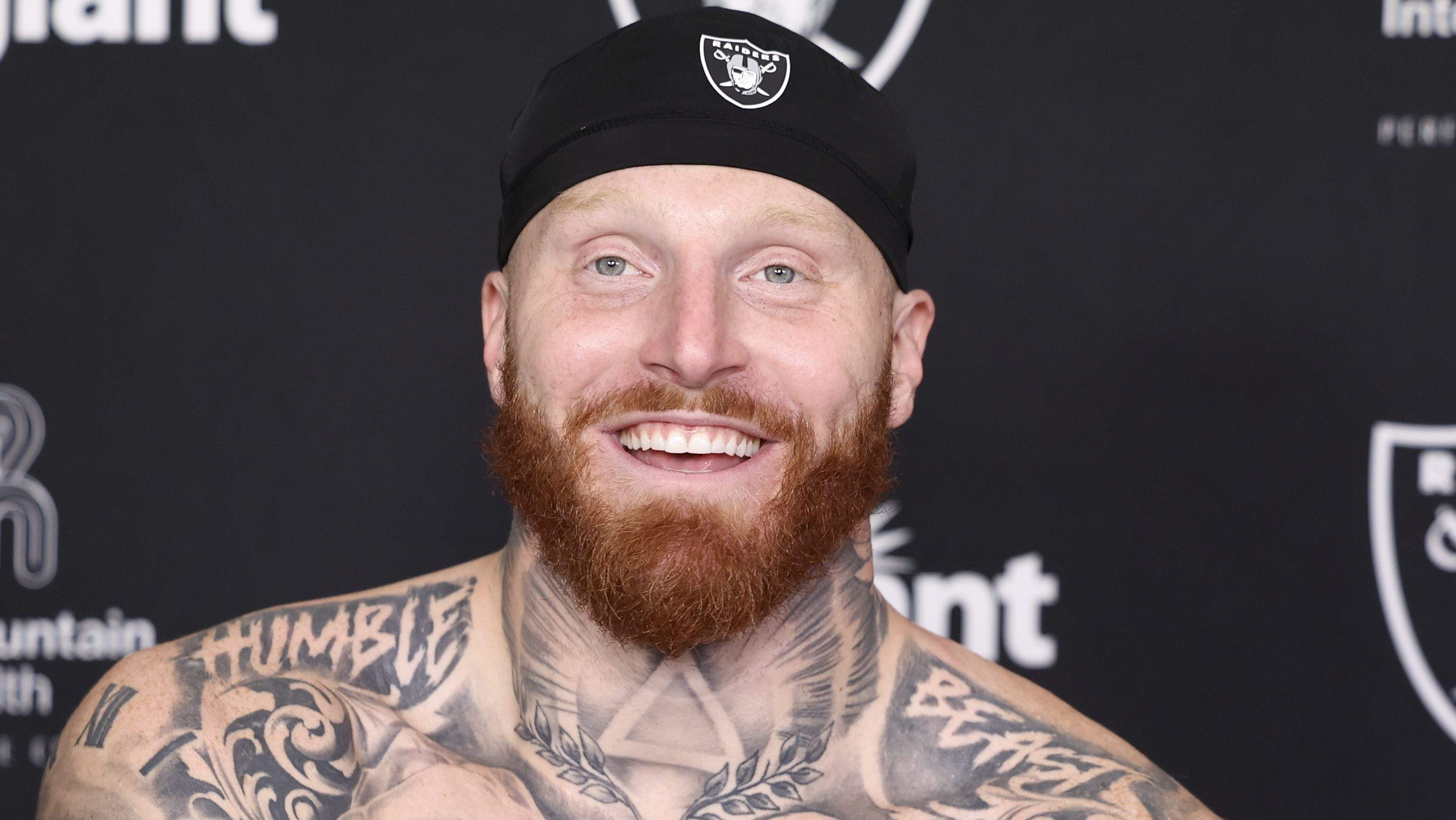
Earlier reports had pointed to Matt Groh, the Patriots’ Executive Vice President of Football Administration, as a central figure in the negotiation process. Those discussions reportedly highlighted Groh’s strategic approach, which some observers believed could complicate reaching an agreement before the start of the season. The latest update reinforces that there remains a mismatch in expectations between Gonzalez’s camp and the organization.
Gonzalez, who is seeking a contract that would reset the market at his position, has reportedly been frustrated with how negotiations have unfolded. Per Sports Illustrated’s Albert Breer, the corner is not happy with the current terms. The gist of the contention is that Gonzalez’s camp wants a deal with a high average annual value and substantial guaranteed money, aiming to reflect the market value of top cornerbacks. By comparison, recent contracts for elite cornerbacks have raised the bar significantly, with players like Devon Witherspoon, Denzel Ward, Derek Stingley Jr., and Trent McDuffie securing substantial guarantees and sizable annual salaries.
The Patriots have reportedly offered a total value that would place Gonzalez among the top-paid players at his position. The sticking point appears to be the structure of the deal—how the money is distributed across years and the amount of guaranteed money included. This is a common challenge in negotiations with young players who are establishing themselves as franchise cornerstones. In this case, Gonzalez’s trainer and representatives have been vocal about their assessment of the terms, signaling a pronounced desire for adjustments that would better reflect Gonzalez’s perceived market value.
With the regular season imminent, the lack of a contract could complicate the Patriots’ defensive planning. Gonzalez has been a key addition to the secondary, and his absence or uncertainty could impact how New England approaches matchups, especially against teams with dynamic passing games. If a deal is not reached before opening night, the team must decide whether to proceed with Gonzalez under his current terms, risk a holdout, or pivot to other options in the depth chart.
The broader market for cornerbacks has been active this offseason, contributing to Gonzalez’s expectations. For instance, contracts awarded to high-profile corners in recent years have underscored a trend toward higher guarantees and lucrative averages, setting benchmarks that Gonzalez’s camp is likely using as a reference point. The Patriots, in turn, have shown a willingness to invest in top defensive talent, but the precise financial package and its guarantees remain under discussion.
As the season approaches, all eyes will be on whether a late push can salvage a deal. History has shown that negotiations near opening night can still produce a resolution, though expectations can be tempered by the potential for new terms to be rejected or revised. If no agreement is reached, the Patriots would need to manage the roster with Gonzalez as a notable variable, while Gonzalez’s side would weigh the likelihood of an in-season holdout or the risk of playing under a different financial structure than initially desired.
In any case, the situation will continue to generate headlines as both sides assess options, leverage, and market dynamics. The outcome will not only affect Gonzalez’s future with the Patriots but could also influence how the team approaches contracts for other young defensive backs in the coming years. The evolving dynamic between player expectations and organizational negotiation strategy remains a topic of significant interest for fans and analysts as the season begins.
Note: This piece summarizes ongoing negotiations and market context as reported by insiders and outlets tracking the situation.