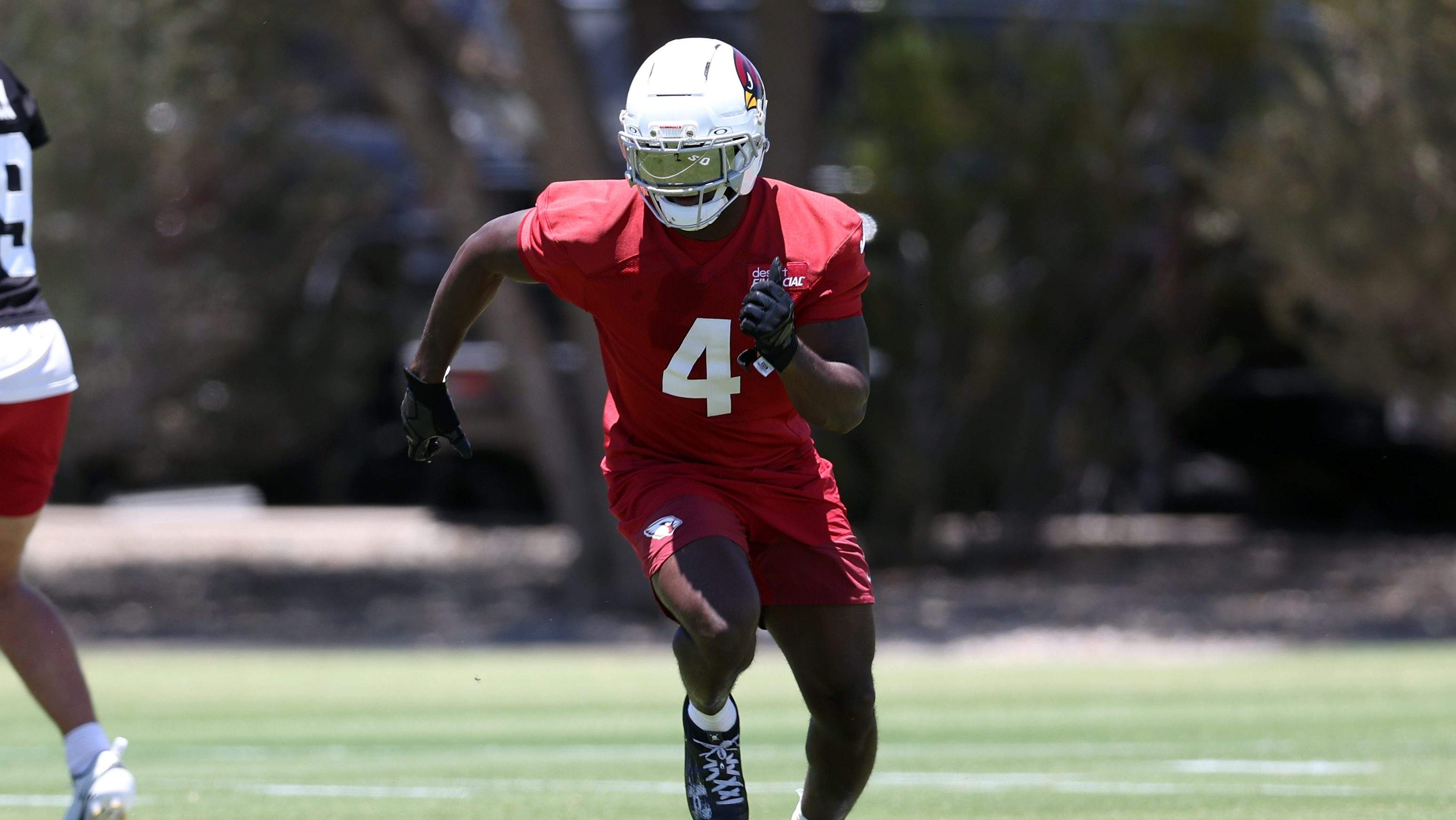
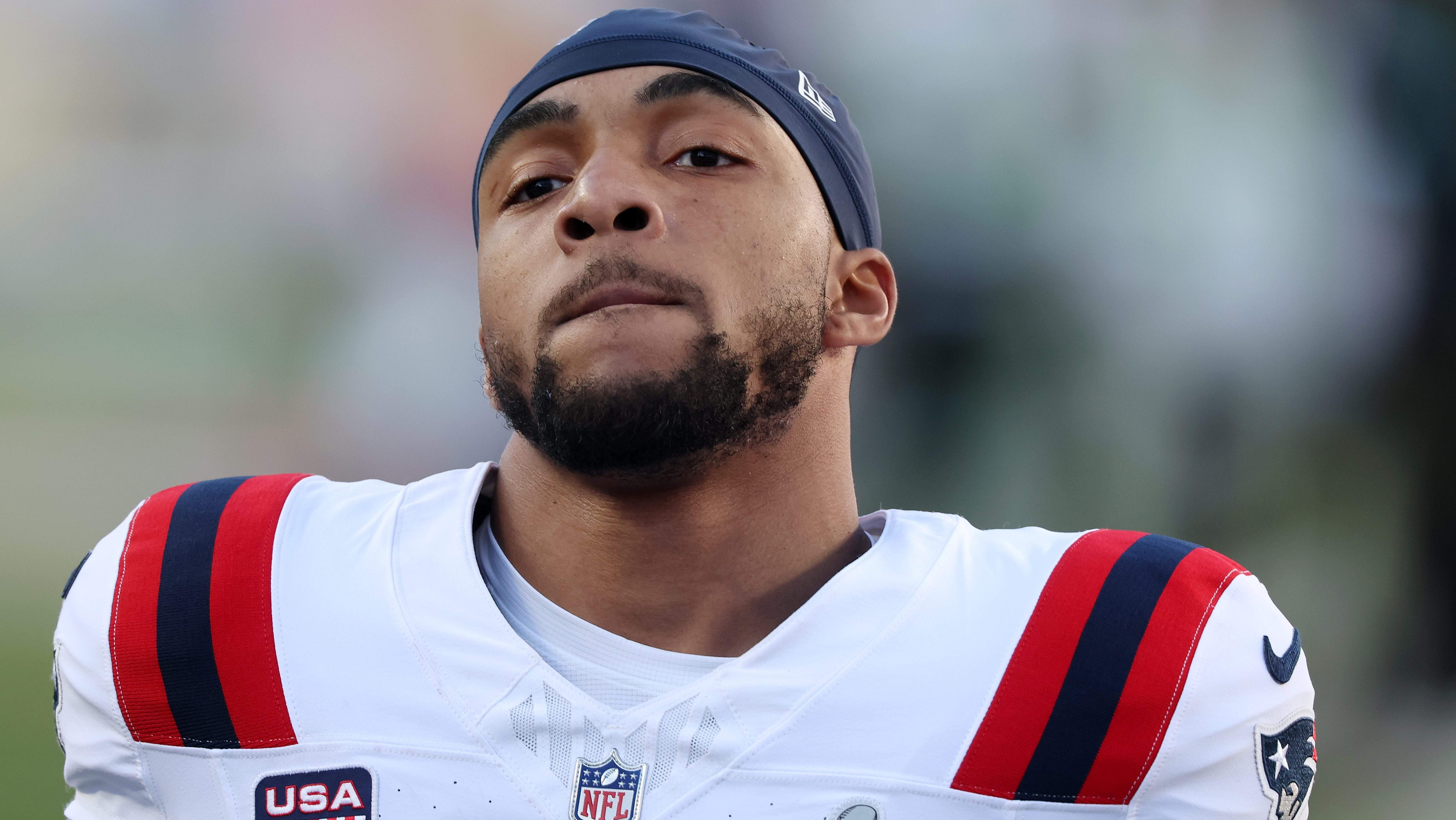
Cooper has been lining up outside in this Penny package, which effectively substitutes a traditional edge rusher off the field while preserving Cooper’s presence on the edge. In this alignment, he has mostly dropped into coverage rather than rushing the passer, creating an additional matchup detail for offenses to handle before the snap and leveraging Cooper’s length and range. This approach gives Green Bay an extra tool to stress opposing offenses and to adapt to the absence of Parsons, who is expected to begin the season on the physically unable to perform list after suffering an ACL injury late last season. Parsons’ absence will keep the Packers without their leading sack producer for at least four games.
Cooper entered his third NFL season with intrigue as a component of the new defensive system under coordinator Jonathan Gannon. He started all 16 games he appeared in last season, totaling 117 tackles (63 solo), two forced fumbles, four tackles for loss, three quarterback hits, and seven pressures. His rookie season showed his versatility, with 13 tackles for loss and 3.5 sacks while playing about half of the defensive snaps. Now, Gannon has the opportunity to blend those traits more fully, particularly by utilizing Cooper as a flexible edge presence in various alignments.
Gannon has emphasized that this will be a year of implementing a new system, with Cooper’s role central to that transition. The Packers’ coaching staff has highlighted finding ways for Cooper to attack in the early phases of the installation, and Cooper has continued to flash during camp, including moments when he disrupted a pass and contributed in the backfield for potential tackles for loss.
The Penny package—featuring three defensive tackles, one off-ball linebacker, and three safeties—allows Cooper to shift toward the edge without forcing a substitution that would reduce one of Green Bay’s most productive defenders from the field. This flexibility gives Green Bay multiple looks and can help mitigate the impact of Parsons’ absence.
With Parsons sidelined, the Packers have kept other edge-rushers available as options. Lukas Van Ness, Barryn Sorrell, Brenton Cox, and Dani Dennis-Sutton have remained among the healthy edge players on the roster as training camp progressed. Van Ness and Sorrell participated in substantial first-team work while Parsons rehabbed, and Cooper’s edge presence enables the defense to present a less predictable front without sacrificing a key contributor.
As the regular season approaches, run containment remains a focal point for Cooper in matchups against NFL tackles and tight ends. The Penny package could evolve further once Parsons returns and Green Bay has its premier pass rusher back in the mix, but for now, the coaching staff is keen to test this wrinkle to offset the absence and to maximize Cooper’s range and versatility.
The Packers’ first regular-season game is scheduled for September 13 on the road against the Minnesota Vikings, and Parsons will not be available for Gannon’s debut as Green Bay’s defensive coordinator. Cooper will be a focal point in the defense’s evolving plans, with the coaching staff prepared to rotate and adapt to maintain pressure and coverage despite the missing sack producer.
Overall, Green Bay appears prepared to lean on Cooper as a flexible chess piece, moving him around the formation to create advantageous looks and to keep the defense dynamic while Parsons is unavailable. The Penny package provides a bridge to the current gap and lays the groundwork for a more varied defensive approach as the season unfolds.