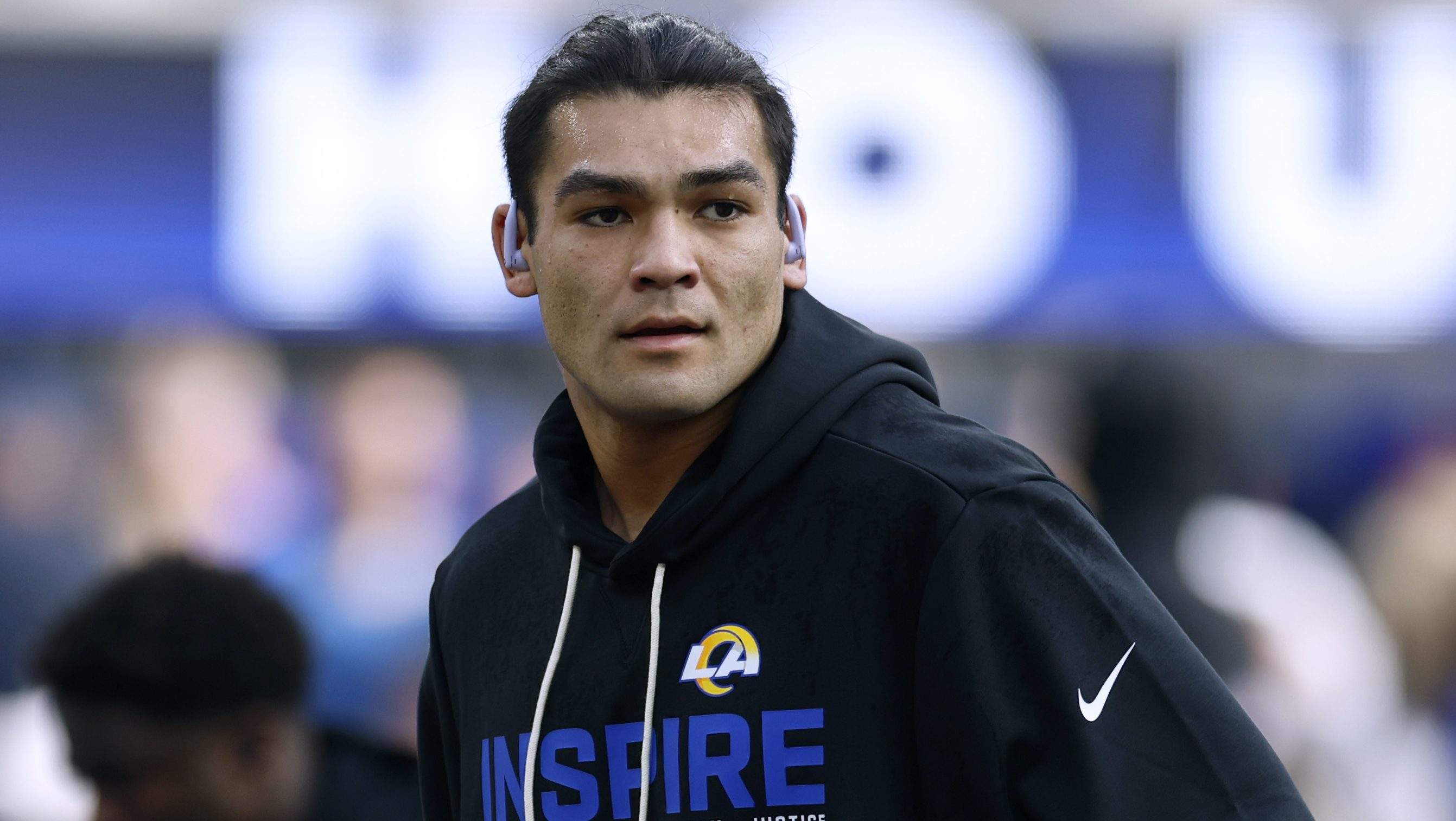
Garrett’s arrival instantly elevated the Rams’ defensive outlook. A five-time first-team All-Pro and seven-time Pro Bowler, Garrett entered 2026 with a cumulative 125.5 sacks, the most among active players at the time of the deal. He arrived in Los Angeles after setting an NFL single-season sack record of 23 sacks in 2025, a standout achievement that underscored why the Rams were willing to part with multiple future picks to add him. The trade was framed as a path to another championship for the Rams, with Garrett serving as a cornerstone piece capable of anchoring the defense and pressuring quarterbacks week after week.
From Cleveland’s perspective, the move carried an added layer of strategic value. The Browns received a bounty of future assets — including the 2027 first-round pick that would eventually land at No. 32 overall if the Rams reach the Super Bowl and win a championship. That last pick in the opening round is assigned to the reigning champion, creating a dynamic where the exact landing spot of Cleveland’s prize could shift dramatically depending on the Rams’ success. In other words, the Browns’ return could end up becoming a perpetual subplot throughout the season, tied to how far Los Angeles advances.
There was particular intrigue surrounding the potential use of Cleveland’s 2027 first-round selection. Analysts speculated that if the Rams’ pick slides to the final slot of the first round, Cleveland might pivot to quarterback development with the addition of a late-round signal-caller option. One name that drew attention in projections was Sam Leavitt, a quarterback who transferred from Arizona State to LSU and showed dual-threat capability. Leavitt’s early promise with LSU—highlighted by a commanding debut in Baton Rouge that featured multiple touchdowns and impressive yardage—made him an intriguing option for teams exploring the quarterback of the future. Rang’s mock drafts suggested that if the Rams’ No. 32 pick becomes available, Cleveland would almost certainly target a quarterback, with Leavitt among the recommended possibilities.
Leavitt has a documented history as a dual-threat quarterback. In 2025 with Arizona State, he started seven games, completing 145 of 239 passes for 1,628 yards, 10 touchdowns, and three interceptions, while adding 306 rushing yards and five scores before injuries cut the season short. His performance at LSU began with a standout showing against Clemson, a game in which he tallied 230 passing yards, 113 rushing yards, and three total touchdowns. As with any prospect, there remains a long road to the 2027 draft, and the order will ebb and flow throughout the season. Still, Leavitt’s early success in Baton Rouge provided a solid boost to his standing in projections.
The Garrett trade underscores how a single blockbuster can ripple through both teams’ long-term plans. For Los Angeles, the objective is clear: push for another title by leveraging Garrett’s elite pass-rushing presence to maximize their championship window. The defensive upgrade is tangible, and it raises the team’s floor in a league where pressure on quarterbacks often determines outcomes late in games.
For Cleveland, the haul of future picks represents a strategic investment in the franchise’s ongoing rebuild. The final impact of the deal hinges on several factors, including how the Rams perform, how the Browns capitalize on the assets, and the development of potential quarterback options they might pursue with the resources acquired. If the Rams perform at a high level, the Browns’ No. 32 overall selection could end up shaping a new generation of quarterback prospects.
As the season unfolds, the precise implications of the Garrett trade will become clearer. If Los Angeles contends for a championship and advances deep into the playoffs, the No. 32 overall pick could reflect a successful push for a title, while Cleveland’s returns may set the stage for a new era of quarterback development. Conversely, if the Rams stumble, that final first-round pick could rise in value, giving Cleveland an even more impactful asset to leverage in future drafts.
In any case, the trade marks a bold move by the Rams, pairing Garrett with a defense already capable of imposing its will on opposing quarterbacks. It also guarantees that a single draft pick in 2027 will remain a focal point of NFL conversations for months to come: the late first-round selection that could determine whether Cleveland lands a franchise quarterback or continues to chart a different course for the franchise’s next chapter. The coming season will test whether this bold investment pays off with a championship run or whether the draft capital accelerates the Browns’ rebuilding plan in a different direction.