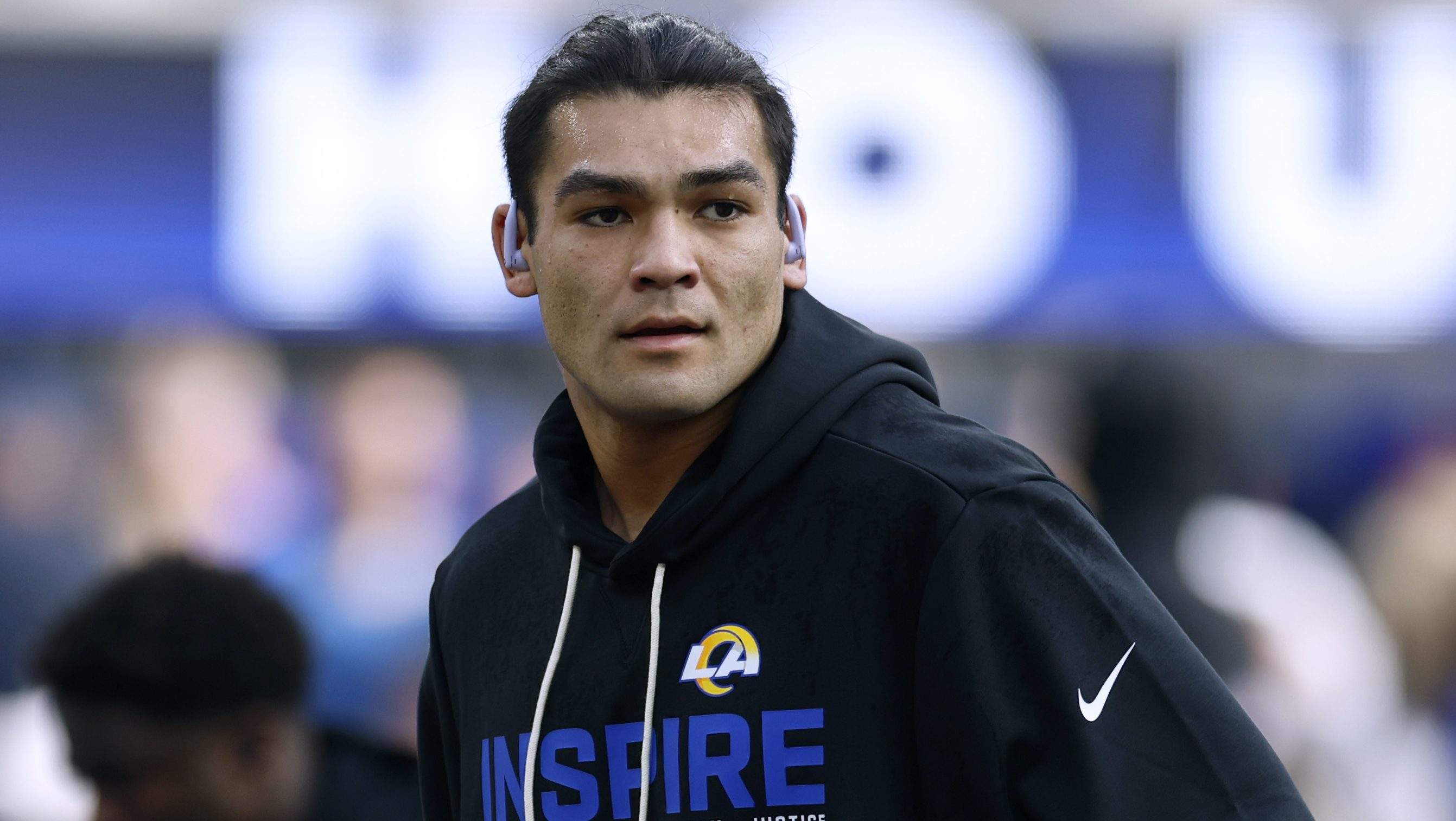
Background on Winston’s profile
– Winston entered the league as the No. 1 overall pick in the 2015 NFL Draft, selected by the Tampa Bay Buccaneers after a standout college career that included both a national championship run and a Heisman Trophy win.
– Over the course of his career, Winston has shown both high ceiling plays and high-variance outcomes, which is the hallmark of a quarterback with substantial arm talent and playmaking ability but also a history of interceptions in some seasons.
– In recent seasons, Winston has established himself as one of the more dependable backups in the NFL, capable of stepping in as a competent game manager and veteran mentor when a team needs leadership in the quarterback room.
Impact on the Giants’ roster and cap considerations
– Teams value experienced backups who can run a game plan with minimal preparation time, provide leadership to younger quarterbacks, and serve as a pro-ready resource when injuries occur. Winston’s blend of experience, leadership, and reliability fits that mold.
– By allocating contract space to Winston, the Giants can free their starter to operate with confidence, knowing there is a capable veteran ready to step in if needed. This kind of depth is particularly important when a franchise is building around a developing quarterback or navigating a tough schedule.
– Financially, adding a multi-year commitment to a proven veteran often comes with relative cap flexibility, especially if the organization views the move as low-risk given the player’s production history and leadership value. For teams that have limited cap space, the goal is to strike a balance between guaranteed value and financial predictability.
Winston’s on-field qualities and leadership
– On-field versatility: Winston has demonstrated the ability to manage NFL offenses with command, especially in systems that emphasize timing, play-action, and aggressive downfield shots. His experience can help a younger quarterback process defenses and read coverages more efficiently.
– Leadership and mentorship: Beyond statistical output, Winston’s presence in the locker room is frequently cited as a positive influence. A veteran mentor can accelerate the development of a young quarterback by sharing routine, study habits, and situational awareness that come from years in the league.
– Adaptability: Winston has experience starting games when needed, giving teams a reliable option who can execute a game plan and protect the football while managing the game’s tempo.
Context within the quarterback room
– For a developing quarterback such as Dart, having a veteran like Winston nearby can provide valuable guidance during practice reps, game-planning sessions, and in-week preparation. This dynamic can reduce growing pains and help a young quarterback gain confidence more quickly.
– In backup roles, Winston’s familiarity with different coaching styles, playbooks, and NFL defenses translates into quicker acclimation when called upon to start or to contribute meaningfully in relief appearances.
Historical notes and career arc
– Winston’s career includes a high level of production, including a season with a strong passing yardage total and a well-known high-risk, high-reward playing style. While that approach has resulted in a notable turnover footprint at times, Winston has also delivered leadership, resilience, and competitive play that teams value in a secondary role.
– The broader narrative of Winston’s career reflects a player who has learned from the peaks and valleys of professional football and remains a resourceful quarterback capable of contributing meaningfully to a veteran-laden roster.
Conclusion
– The decision to allocate investment toward a veteran backup quarterback like Winston aligns with a strategy that prioritizes stability, leadership, and development support for a younger starter. In a league where injuries and unforeseen game plan adjustments are common, having a trusted backstop who can also serve as a mentor to burgeoning talent is widely viewed as a prudent move.
– As teams continue to evaluate rosters and cap flexibility, Winston’s value as a reliable backup and experienced locker-room presence remains a compelling asset for a franchise seeking to balance immediate competitiveness with long-term quarterback development.