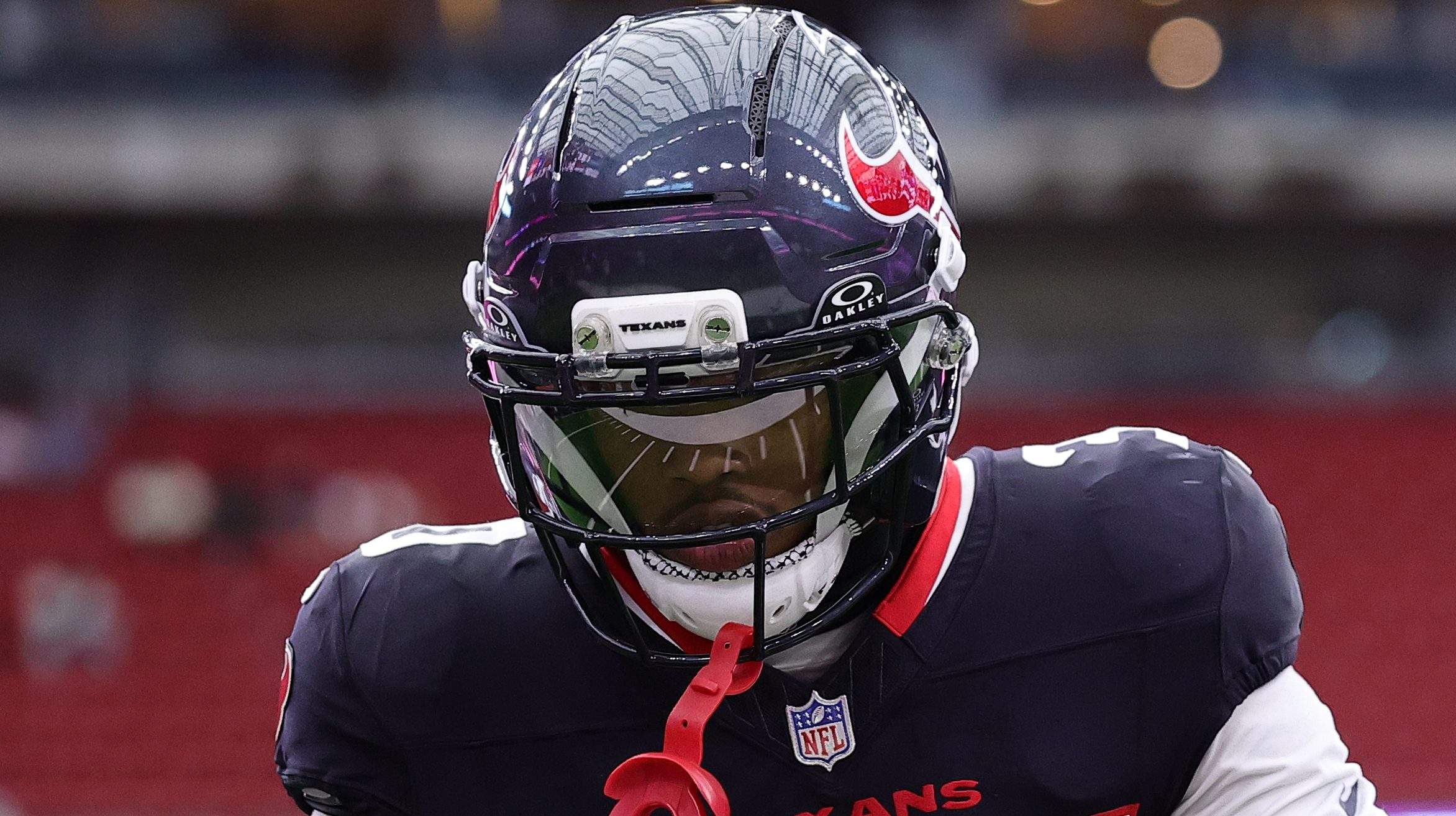
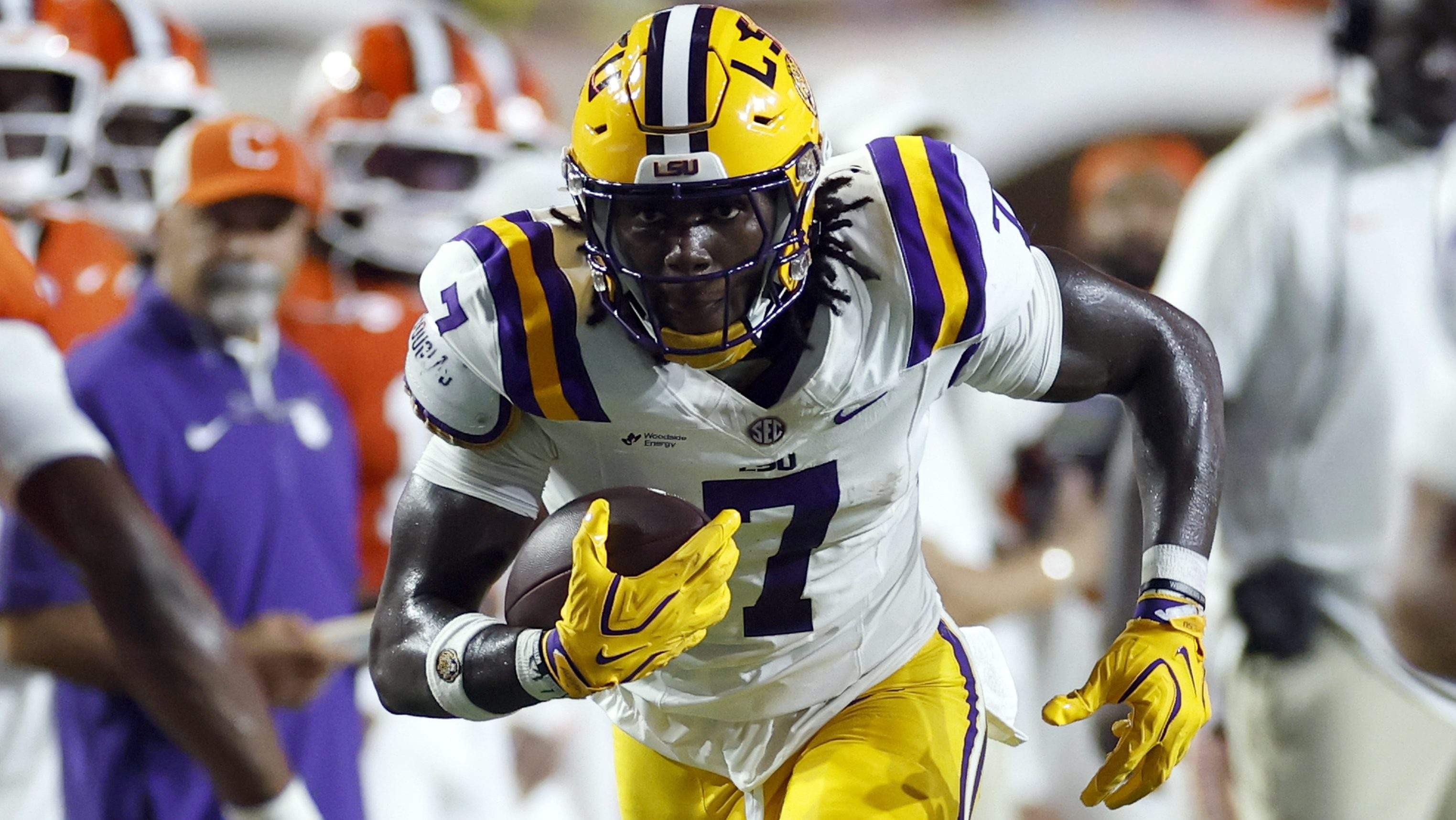
One notable take from early September centers on cornerback Tyrique Stevenson. He is widely viewed as the Bears’ likely starting perimeter corner opposite Jaylon Johnson. However, if the Bears acquire depth at cornerback through a trade—bringing in a player such as Clark Phillips—and rookie Malik Muhammad proves ready to handle a first-team role opposite Johnson, Stevenson could become a trade candidate. This line of thinking suggests that, in a contract-year situation, Stevenson’s value could tempt Chicago to explore a deal.
There is precedent within Chicago’s recent decision-making to consider such a move. When the Bears faced limited cornerback depth late last season, Stevenson faced significant competition for his spot. If the current injury-plagued trend repeats itself, and the team’s depth chart is reorganized earlier than expected, Stevenson’s market value could prompt a move to maximize future assets.
Malik Muhammad is positioned as a potential successor in the defensive backfield. Drafted in the fourth round, Muhammad is viewed by some observers as the heir apparent to Stevenson. In commentary from May, a respected analyst suggested Muhammad could overtake Stevenson for the starting job early in the season, or perhaps even before Chicago’s opening slate. While this outcome would not be ideal for the Bears in the short term, it would offer long-term benefits if Muhammad proves to be a quick study and capable contributor.
That said, several voices have argued that Chicago would prefer Stevenson to continue starting and excelling. A strong season from Stevenson would allow Chicago to pursue free-agent compensation if he departs in the future, while a standout Muhammad could complicate retention if both players perform at a high level. In short, the Bears face a delicate balance: maximize present value without sacrificing future assets.
The health of Kyler Gordon will heavily influence the Bears’ defensive backfield trajectory. Gordon is expected to miss at least the first four weeks of the season due to injury, which would place Muhammad in the nickel role and keep Stevenson on the field more frequently as a boundary corner. If Clark Phillips steps up and Muhammad handles the slot role effectively, Chicago could find itself weighing trade opportunities for Stevenson more seriously, particularly if Gordon returns to form and Johnson remains healthy.
However, moving Stevenson would come with several risks. The Bears would need to consider the potential impact on the placements of other healthy defenders, including Muhammad and Phillips, and how a trade might affect on-field chemistry. There is also the consideration of draft compensation: moving Stevenson could yield a certain return in a trade, but a compensatory pick could also be obtained if he leaves as a free agent after the season. The club would need to evaluate which path delivers the best long-term value.
In sum, Chicago’s approach to its secondary will be guided by injury status, development trajectories, and strategic asset management. If Muhammad continues to progress and Phillips provides reliable depth, Stevenson could see his role evolve, increasing the likelihood of a trade discussion as the season unfolds. Yet the Bears must weigh the potential immediate benefits of any deal against the costs of shifting starting-caliber players and the risk of destabilizing a unit already dealing with health concerns.
As the season progresses and more information emerges about player availability and performance, the Bears’ front office will face decisions about whether to preserve continuity in the secondary or pursue moves that could reshape the unit before the November trade deadline. The overarching goal will be to maintain a competitive defense while positioning the franchise to maximize future assets, whether through in-season trades or strategic development of younger corners who could lead Chicago’s secondary in the years to come.