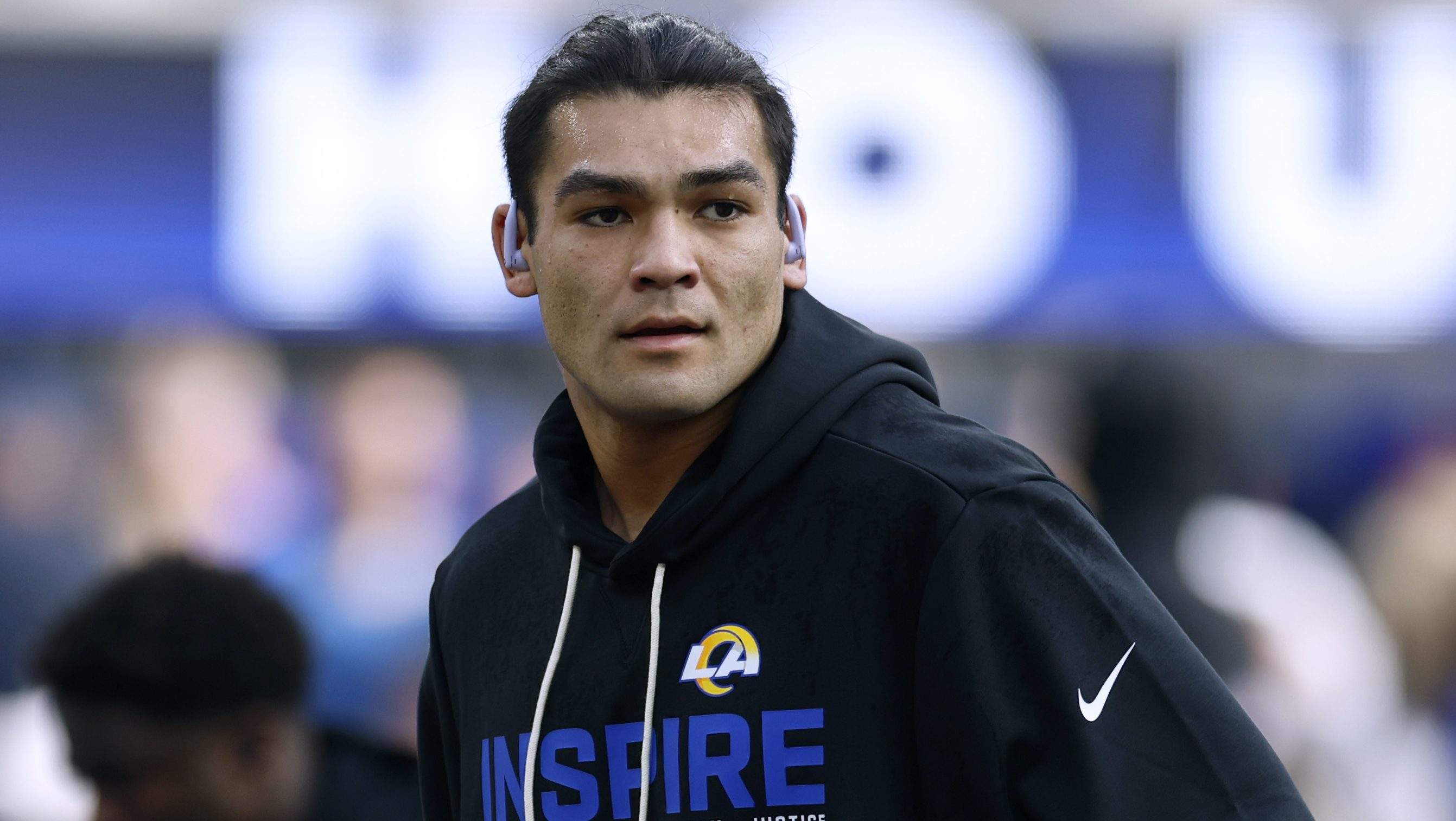
The Bears signed Edwards to a two-year, $20 million extension in April 2025, keeping him under contract through 2027. However, he missed seven games last season due to injury, and Chicago added linebacker Devin Bush—two years younger than Edwards and coming off a standout campaign in Cleveland—on a three-year, $30 million deal.
A notable football analyst highlighted Edwards as a potential candidate to depart the team this coming offseason. The defense is expected to look markedly different in 2027, with several roster moves anticipated. Some players already in the mix for potential changes include Coby Bryant (returning from a season-ending injury), Grady Jarrett (financial relief could come via a cut), Dayo Odeyingbo (potential cap savings if released), Kyler Gordon (uncertain future with the team), Tyrique Stevenson (free agency in 2027), and T.J. Edwards (significant cap relief if released). The general expectation is that Edwards could be among the more likely figures to depart if the club is forced to rework its defensive core.
The Bears’ 2026 outlook suggests the offense could push the team back into the playoffs, but the full potential of the roster may not be realized until 2027. That year could provide a chance for a broader reset, allowing general manager to course-correct after decisions made in prior seasons. The anticipation is that Ryan Poles will have opportunities to reimagine the defense in the near term, which adds context to Edwards’ long-term status with the team.
Devin Bush and D’Marco Jackson are viewed as a logical pairing to start at linebacker in the base defense, particularly as the Bears transition toward more speed at the position. Bush, who ran a 4.43-second 40-yard dash and recorded a high-speed, long-play interception return, is seen as a better fit for the club’s defensive scheme under coordinator Dennis Allen. Chicago is believed to deploy a base formation that utilizes two linebackers along with three cornerbacks and two safeties, a structure that could reduce Edwards’ role on the field if the team leans more on its speed package.
Edwards’ contract situation remains a factor as the team weighs its options. Releasing him would generate meaningful cap savings, which could become a pivotal consideration if the Bears decide to pivot away from him in favor of younger players or different schemes. While the club restructured other contracts to improve cap health, the potential savings tied to Edwards could become increasingly valuable as the roster moves forward. That dynamic is compounded by the arrival of Bush and the organization’s evident long-term plan for him, as well as the belief that D’Marco Jackson better fits the current defensive philosophy.
From a development perspective, Edwards has already established himself as a durable contributor, starting every game he has played for Chicago over three seasons. For him to remain part of Chicago’s long-term plans, he would need to deliver peak-level play, aligning with the team’s evolving defensive identity. If Edwards maintains a high level of play this season, the organization may look to keep him; otherwise, he could be a candidate for release or a trade as the Bears seek to optimize their cap space and roster construction.
Looking ahead to the November trade window and any potential post-season adjustments, the Bears may explore various avenues to adjust the linebacker corps, depending on performance, injuries, and how rapidly the defense comes together under Dennis Allen’s scheme. The 2026 season is likely to be a transitional one for Chicago’s defensive unit, with Edwards representing one of the more significant decision points on a group that could look very different in 2027.
In summary, Chicago’s defense faces a crossroads: maintain the current core with room to grow, or pivot toward a faster, more versatile unit that aligns with the team’s longer-term plans. Edwards sits at the center of that discussion, as his production, durability, and contract status could influence whether he remains a Bear beyond 2026. The coming season will be crucial in determining whether he reinforces Chicago’s present-day defense or becomes part of the next phase of its roster evolution.