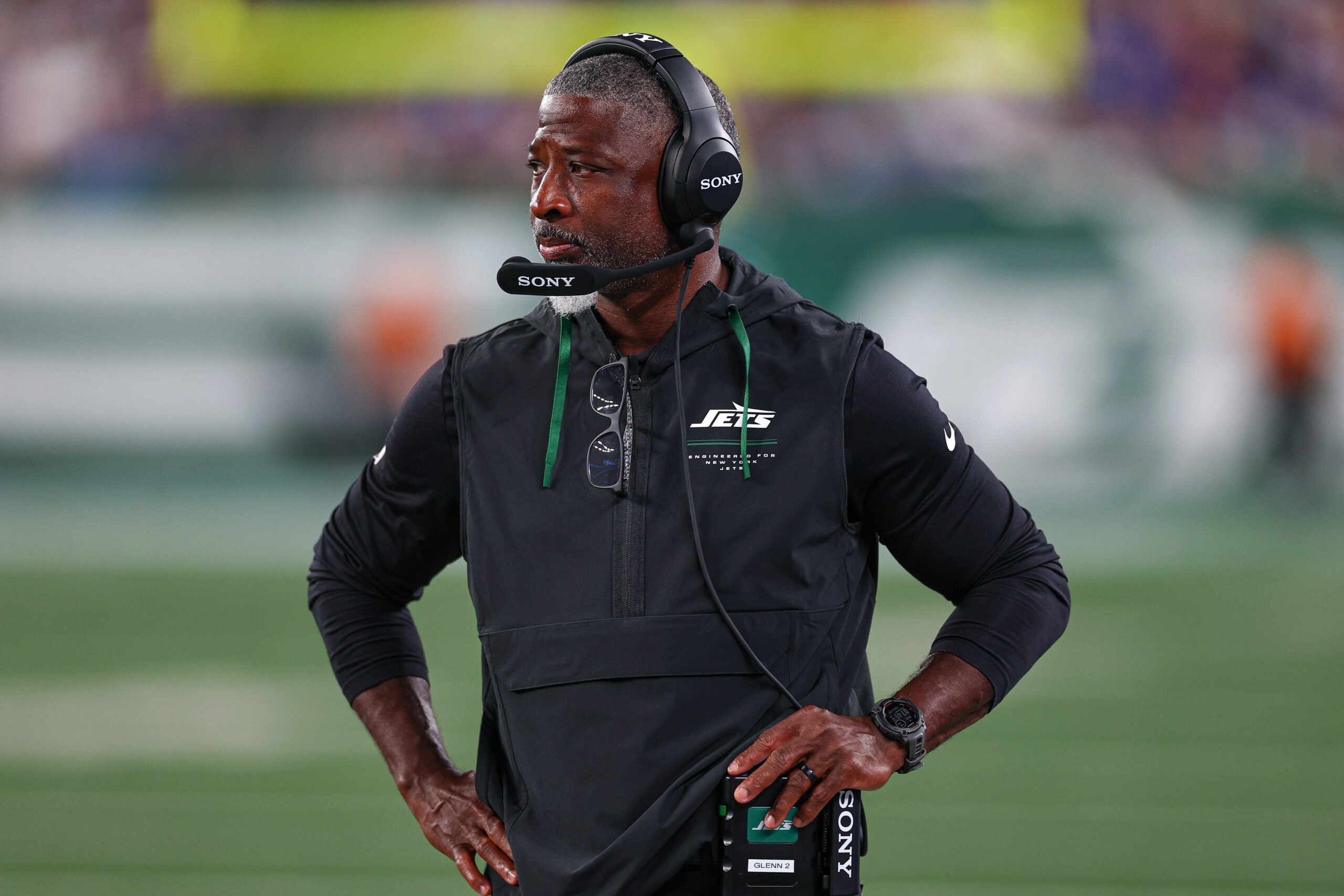
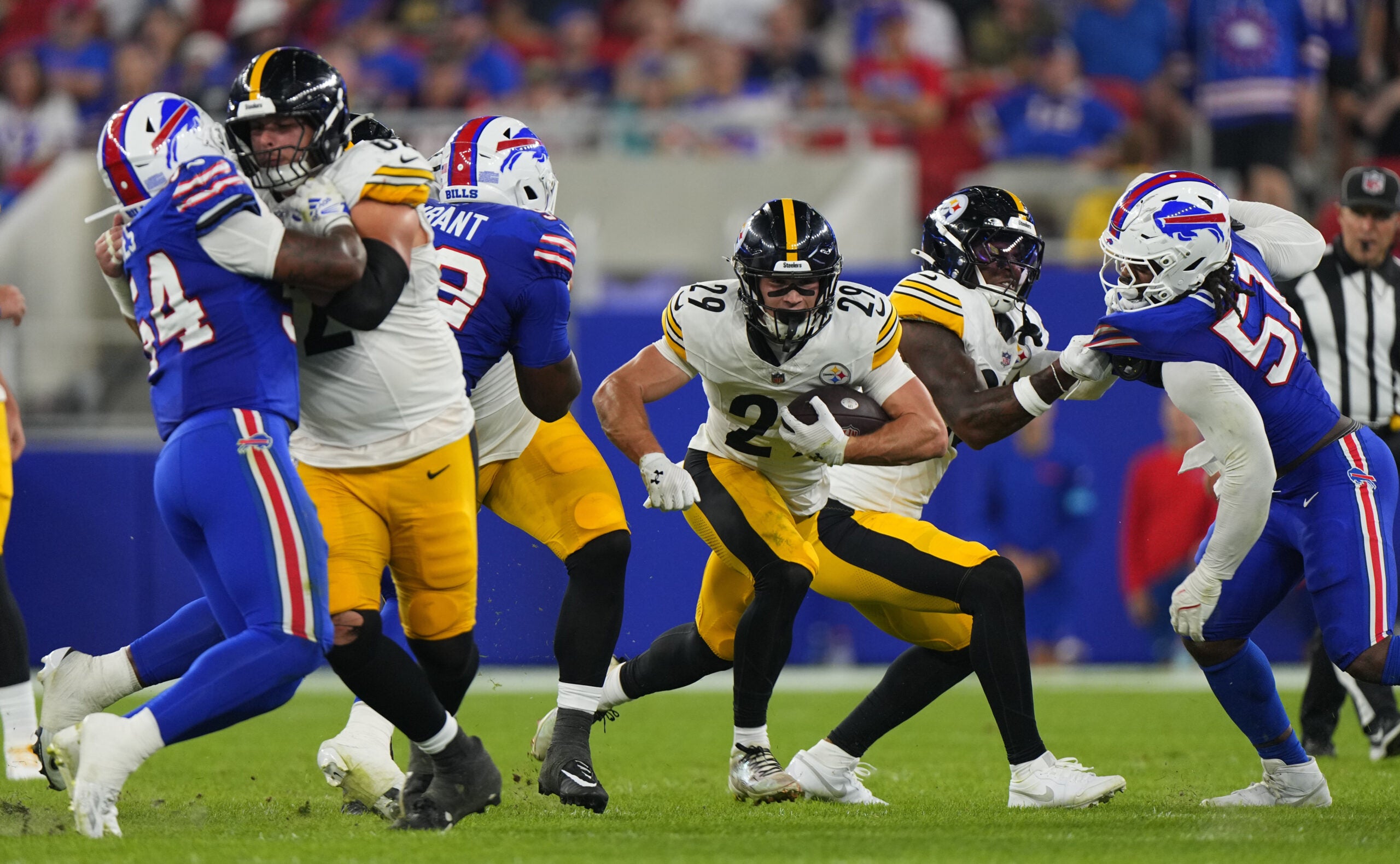
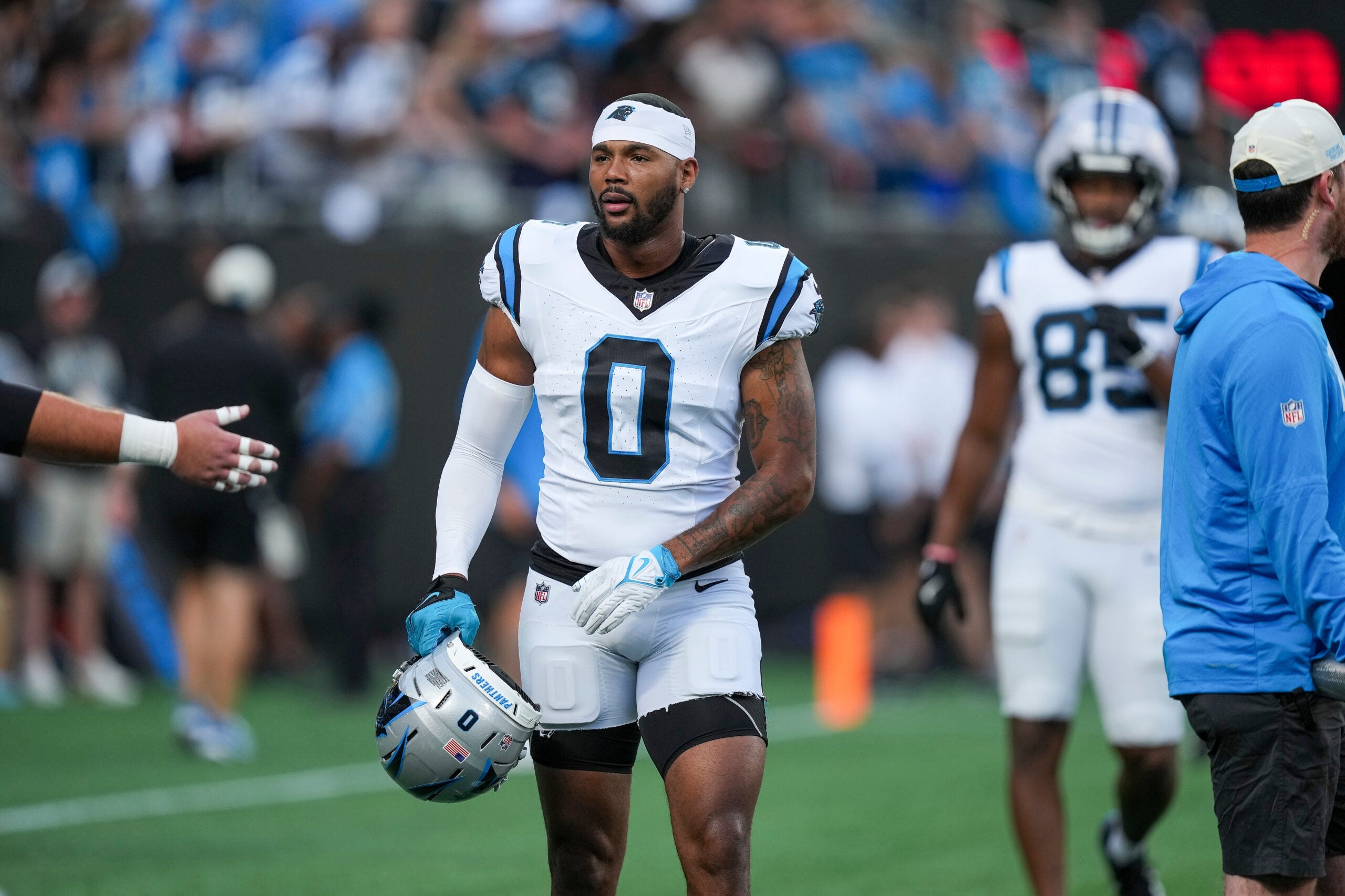
One notable development is the decision to keep Jalon Daniels as the lone quarterback behind Baker Mayfield. Daniels earned the backup role through strong preseason showings, delivering the most productive performances among the preseason signal-callers with wins over the Jets and Chiefs. This choice marks a bold move by Todd Bowles and the staff, placing significant faith in a rookie quarterback to carry the second-string duties without an immediate safety net of additional, more seasoned quarterbacks. It remains to be seen whether the Buccaneers will add a veteran QB to the practice squad or 53-man roster later in the season, but for now Daniels is the sole backup option behind Mayfield. The decision underscores a willingness to accelerate Daniels’ development by giving him real-game reps and primary responsibilities in the quarterback room.
The roster also highlighted a potential vulnerability at safety. The starting trio at the back end of the defense appears solid with Antoine Winfield Jr. and Tykee Smith expected to start, but depth behind them is thinner than ideal. Miles Killebrew secured the last safety spot, while veteran Ifeatu Melifonwu was released during the final cuts. Melifonwu had shown flashes in the past, including contributing during the Lions’ 2023 playoff run and recording a notable early-season performance in last year’s postseason clash with Tampa Bay. His departure leaves the team with one designated backup safety in the group, raising questions about depth at the position. Whether Melifonwu will land on the practice squad or be picked up by another team remains to be seen, but the Buccaneers will likely pursue additional safety depth if possible to prevent a thin secondary from becoming a liability.
Another surprising outcome involved edge rusher Jack Pyburn. Pyburn, an undrafted rookie from LSU, impressed enough during the preseason to warrant deeper consideration for a spot on the roster. He led the NFL in sacks during the preseason with four sacks across three games, demonstrating a knack for pressuring the quarterback and contributing valuable rotational depth at a position where the Buccaneers already felt solid. Despite this production, the decision-makers ultimately opted not to keep Pyburn on the 53-man roster, a choice that underscores the challenging balance between immediate need, positional depth, and long-term development strategy. The team will likely explore Pyburn’s availability on the practice squad or consider other opportunities, with the possibility of interest from LSU or other NFL teams.
In summary, the Buccaneers’ 53-man selections signal a strategic emphasis on developing young talent at quarterback, while maintaining a lean safety depth chart and recognizing the fine line between productive preseason performance and regular-season roster composition. The Daniels decision showcases confidence in a rookie’s potential, even as the team weighs the implications of carrying only one backup quarterback. The safety group’s current structure invites either a late addition or a solid development plan to ensure capable coverage and run support behind the starters. Pyburn’s case illustrates how even standout preseason production must be reconciled with broader positional needs and roster economics as teams finalize their 53-man rosters for the start of the season.
As the season approaches, the Buccaneers will monitor the market for any potential adjustments to bolster the secondary and explore further options at quarterback if necessary. Close attention will also be paid to how Daniels progresses in real-game environments and whether the team can sustain enough depth to compete at a high level across 17 regular-season games.